How to Address Hormonal Imbalances in Women
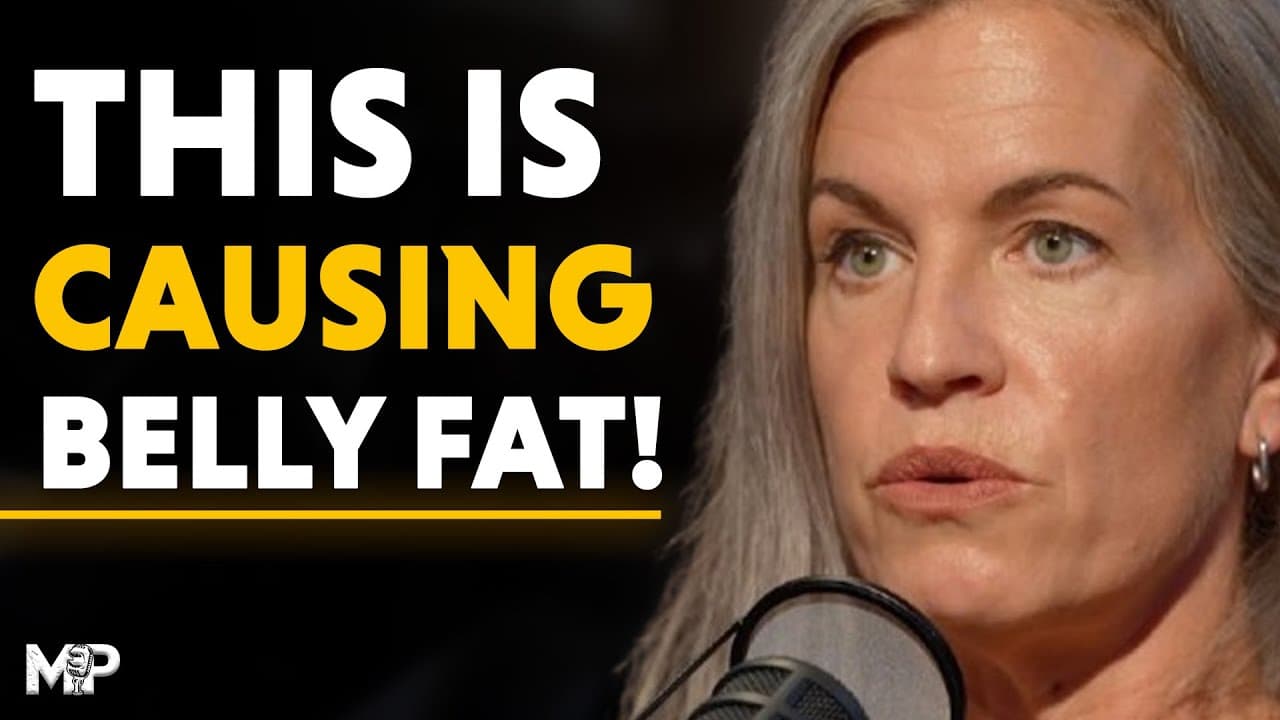
TL;DR
Hormone Replacement Therapy (HRT) is crucial for addressing issues like brain fog, depression, and joint pain in women, especially during perimenopause. HRT, combined with strength training and potentially GLP-1 treatments, can significantly improve quality of life and prevent metabolic dysfunction. Early intervention and personalized treatment plans are key to effective management.
Transcript
that's Decades of women who got the hormones they needed versus most of the women in the United States and probably the world who I mean an entire generation of women were denied hormone replacement HRT is not dangerous and that it does not cause all these terrible things we said it caused and a lot of women quite frankly have just been [ __ ] over... Read More
Key Insights
- Hormone Replacement Therapy (HRT) is not dangerous and has been misunderstood due to past studies.
- Estrogen is vital for maintaining elasticity and preventing injuries in women.
- Metabolically compromised muscle can lead to balance issues and falls.
- Insulin resistance can be indicated by difficulty in losing weight and skin changes.
- Strength training is essential for metabolic health and should accompany HRT.
- Waist circumference is a strong indicator of metabolic health and cognitive function.
- GLP-1 treatments can aid in weight loss and improve insulin sensitivity.
- A balanced diet with a focus on animal protein supports overall health and hormone function.
Install to Summarize YouTube Videos and Get Transcripts
Explore YouTube Video Summarizer or Get YouTube Transcript Extractor
Questions & Answers
Q: How does Hormone Replacement Therapy (HRT) benefit women?
HRT is beneficial for women as it addresses symptoms like brain fog, depression, joint pain, and loss of elasticity, especially during perimenopause. It helps maintain hormonal balance, preventing injuries and improving overall quality of life. Personalized dosing ensures symptom relief and optimal health outcomes.
Q: What are the signs of insulin resistance?
Insulin resistance can manifest through difficulty in losing weight, enlarged pores, skin tags, and darkening of the skin, especially around the neck and ankles. It is often associated with elevated blood pressure and waist circumference, indicating metabolic dysfunction and increased risk for health issues.
Q: Why is strength training important for women undergoing HRT?
Strength training is crucial for women on HRT as it supports metabolic health by improving insulin sensitivity and muscle function. It helps prevent injuries, enhances muscle mass, and promotes overall well-being, making it an integral part of a comprehensive health management plan alongside HRT.
Q: How do GLP-1 treatments aid in weight management?
GLP-1 treatments assist in weight management by improving insulin sensitivity and facilitating weight loss. They help regulate blood sugar levels and reduce appetite, making them an effective adjunct to HRT and lifestyle changes like strength training for managing metabolic dysfunction and improving health.
Q: What role does estrogen play in women's health?
Estrogen is vital for women's health as it maintains tissue elasticity, supports cognitive function, and regulates mood. It helps prevent injuries by keeping tissues 'juicy' and is protective against cardiovascular and joint issues. Estrogen balance is crucial for overall well-being, especially during hormonal transitions.
Q: How can waist circumference indicate health status?
Waist circumference is a strong indicator of metabolic health and cognitive function. A larger waist circumference is associated with increased risk for metabolic dysfunction, insulin resistance, and cognitive decline. Keeping waist size below half of one's height is recommended for optimal health outcomes.
Q: What dietary recommendations support hormone health?
A balanced diet rich in animal protein supports hormone health by providing essential nutrients for hormone production and function. Avoiding processed foods and focusing on whole, nutrient-dense foods can prevent malnourishment and support overall health, complementing HRT and lifestyle interventions.
Q: Why is early intervention important in managing hormonal imbalances?
Early intervention is crucial in managing hormonal imbalances to prevent severe symptoms and long-term health issues. Personalized treatment plans, including HRT, lifestyle changes, and potential GLP-1 treatments, can effectively address symptoms and improve quality of life, emphasizing the importance of timely action.
Summary & Key Takeaways
-
Hormone Replacement Therapy (HRT) is essential for women, particularly during perimenopause, to combat symptoms like brain fog, depression, and joint pain. HRT helps maintain elasticity and prevent injuries, making it a crucial component of women's health management.
-
Combining HRT with strength training and potentially GLP-1 treatments can significantly enhance quality of life. Strength training supports metabolic health, while GLP-1 treatments aid in weight loss and improve insulin sensitivity, addressing metabolic dysfunction.
-
Early intervention and personalized treatment plans are vital for effective management of hormonal imbalances. Understanding the role of estrogen, insulin resistance, and metabolic health can guide successful treatment strategies and improve patient outcomes.
Read in Other Languages (beta)
Share This Summary 📚
Summarize YouTube Videos and Get Video Transcripts with 1-Click
Try YouTube Summary with ChatGPT & Claude or YouTube Transcript Generator
Explore More Summaries from Mind Pump Show 📚


Summarize YouTube Videos and Get Video Transcripts with 1-Click
Try YouTube Summary with ChatGPT & Claude or YouTube Transcript Generator