Possible futures from the intersection of nature, tech and society | Natsai Audrey Chieza
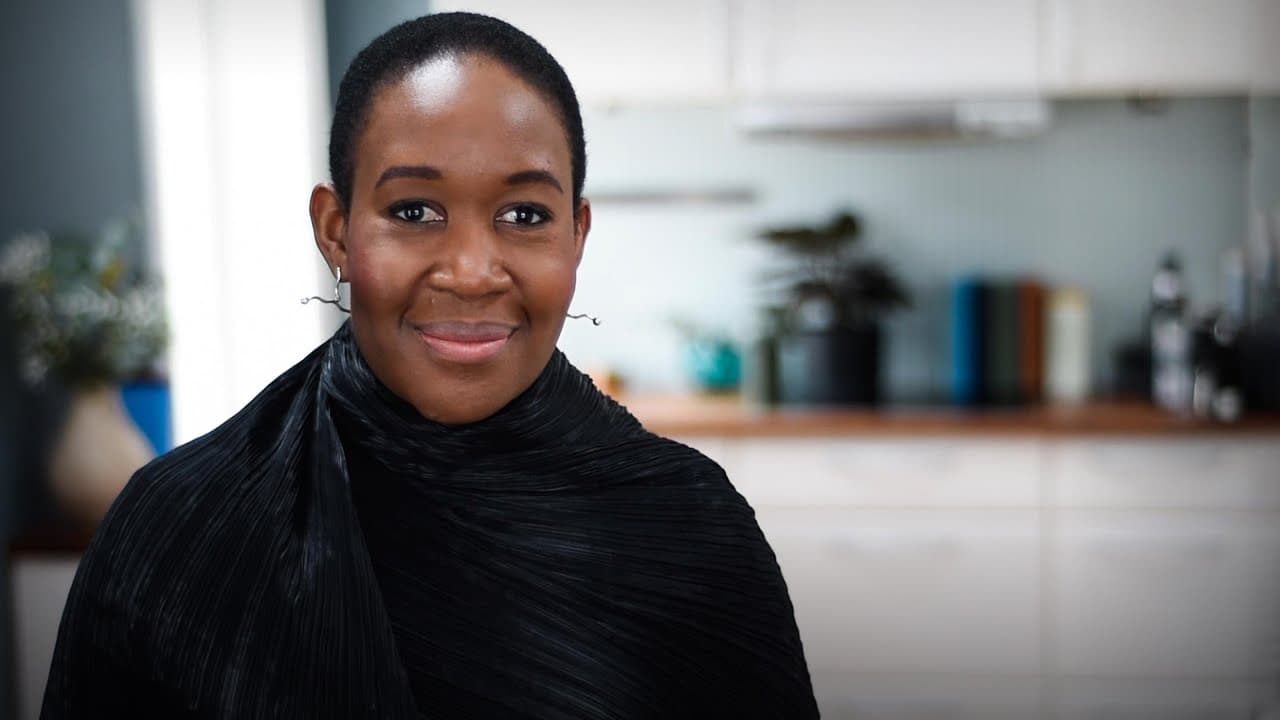
TL;DR
This content explores the intersection of biology, technology, and society in the context of design, discussing the potential for designing transformative systems that prioritize flourishing, caretaking, and equity.
Transcript
Transcriber: In 1998, my friends and I won a national art competition. The prize was a week in Disneyland Paris, with hundreds of other children from across the world, as delegates to UNESCO's International Children's Summit. Now this was no ordinary trip to Disneyland. Between running riot in the park and making friends, we workshopped the future... Read More
Key Insights
- 🏞️ Art and design have the power to imagine futures, but the visions created in the past have not come true. The world faces global existential risks due to the climate emergency, impacting the most vulnerable populations.
- 🔬 Faber Futures is a design agency that works at the intersection of biology, technology, and society. They prototype the future through research and development collaborations, creating toxin-free textile dye processes and exploring the ethics of DNA mining.
- 🌍 The Ginkgo Creative Residency promotes multidisciplinary codesign within the biotechnology industry by inviting creative practitioners to develop their own projects. Unique and expansive dialogues between different knowledge domains shape our ability to imagine biological futures.
- 💡 Design encompasses complex systems that produce tangible objects. Faber Futures explores connections between culture, technology, ecology, and economics, identifying problems and creating value and values through mapping and solutions.
- 🧬 Designing biology requires precision and performance at both molecular and planetary scales. Tools like DNA sequencing, automation, and machine learning enable organism engineers to develop solutions. However, the broader context should not be excluded to prevent unintended consequences.
- 💉 The COVID-19 vaccine development showcased the importance of techno-fixes, but relying solely on technical solutions does not address the complex social and economic realities. The distribution of benefits and dominant systems impact the efficacy and access to vaccines.
- 🌱 Biotechnology for consumer goods and industry often offers technically sound solutions that sustain social and ecological inequities. Addressing these asymmetries requires a more revolutionary approach that puts communities first, embraces adaptability, and fosters local solutions.
- 🔬 Various initiatives are already underway to design with biology in a more integrated and equitable manner. The Open Bioeconomy Lab expands geographies of innovation, MicroByre assembles diverse microbial libraries, and Central Saint Martins fosters sustainable design practices through interdisciplinary collaboration.
- ✨ By recognizing that designing with biology means designing systems and not just tangible products, we have the opportunity to build transformative and holistic systems centered around flourishing, caretaking, and equity. This shift in design proposition can shape our future.
Install to Summarize YouTube Videos and Get Transcripts
Explore YouTube Video Summarizer or Get YouTube Transcript Extractor
Questions & Answers
Q: What is the purpose of the Faber Futures design agency?
The purpose of the Faber Futures design agency is to model a future where both people and the planet can thrive, by designing at the intersection of biology, technology, and society.
Q: What are some examples of the design work done by Faber Futures?
Faber Futures has developed toxin-free, water-efficient textile dye processes using a pigment-producing bacterium, pioneering circular design for the textile and fashion industries. They have also created experiential artworks that engage with the ethics of DNA mining using open-source data on the human microbiome.
Q: How does Faber Futures promote multidisciplinary collaboration within the biotechnology industry?
Faber Futures designed the Ginkgo Creative Residency, which invites creative practitioners to spend several months developing their own projects within the Ginkgo Bioworks foundry. They also generate and publish unique dialogues between people with different types of knowledge, such as Afrofuturists with astrobiologists and food researchers with Indigenous campaigners.
Q: How does Faber Futures approach design and create transformative systems?
Faber Futures explores the complex systems that produce the things we recognize in our lives, and they connect fields like culture and technology, ecology and economics. By identifying problems and considering the context, they map the design brief and find solutions through research, development, material specification, manufacturing, and distribution. Their goal is to build transformative systems based on values that center flourishing, caretaking, and equity.
Summary & Key Takeaways
-
The author reflects on their experience at Disneyland Paris as a child and the lack of progress in addressing global crises since then.
-
The author discusses their work at Faber Futures, a design agency focused on biology, technology, and society, and the projects and collaborations they undertake to envision positive futures.
-
The author emphasizes the need for a more integrated and holistic approach to designing with biology, asking important questions about local solutions, diversity, and equipping the next generation.
Read in Other Languages (beta)
Share This Summary 📚
Summarize YouTube Videos and Get Video Transcripts with 1-Click
Try YouTube Summary with ChatGPT & Claude or YouTube Transcript Generator
Explore More Summaries from TED 📚




Summarize YouTube Videos and Get Video Transcripts with 1-Click
Try YouTube Summary with ChatGPT & Claude or YouTube Transcript Generator