The Maximum Amount of Protein the Body Can Absorb in One Meal
TL;DR
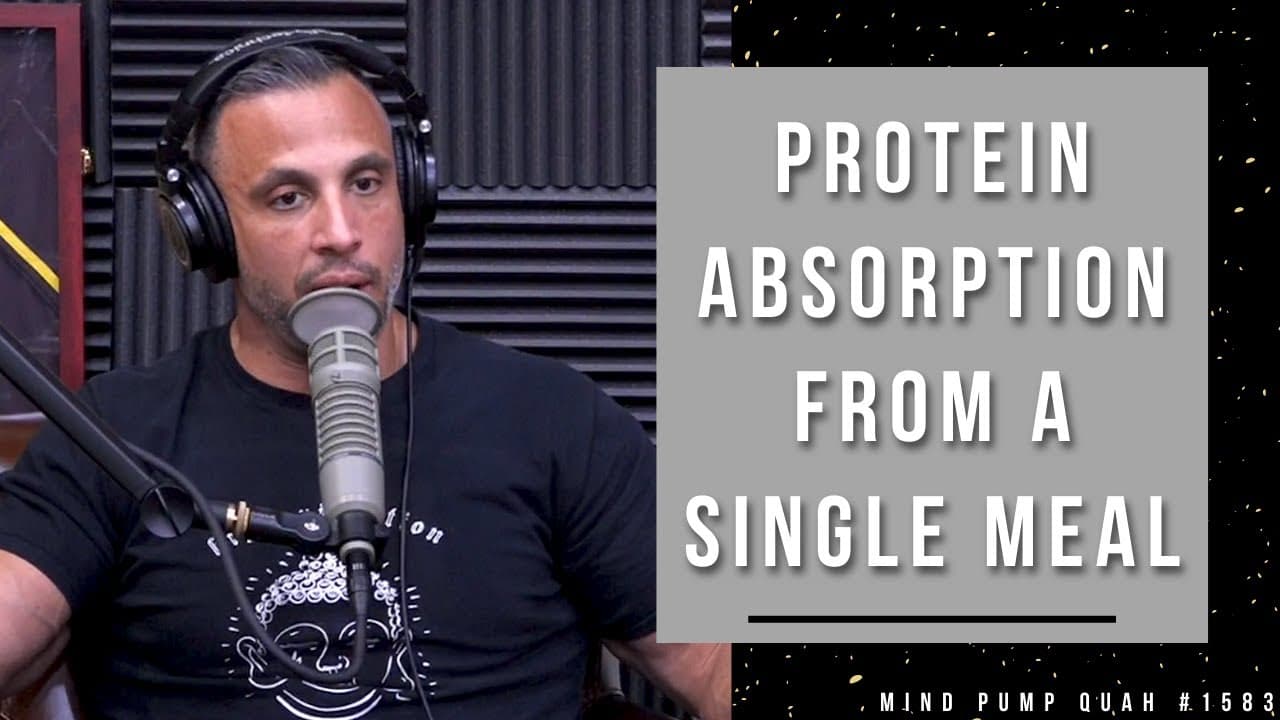
Protein absorption depends on individual digestion, not a fixed limit.
Transcript
first question is from zelen casteat how much protein can the body absorb in one meal is there a limit and if it exists what is it 20 grams 30 grams 80 grams yeah i like this question because it gets asked all the time and because it highlights uh something that is annoying in the fitness industry and that's this a lot of the information that we st... Read More
Key Insights
- The concept of a fixed protein absorption limit per meal is largely a myth propagated by marketers rather than scientific evidence.
- Protein absorption varies greatly among individuals based on factors like body size, digestion, and whether the person is fasted or fed.
- Digestion is the key determinant of how much protein one can absorb; discomfort indicates overconsumption.
- For some, large protein intakes are manageable, while others may experience digestive issues with smaller amounts.
- Mixing protein with certain foods can affect digestion, as seen in the example of consuming burgers versus a plain steak.
- Historical eating patterns suggest humans adapted to consume as much protein as available without a strict limit.
- The body's ability to assimilate protein is not capped at a specific number; it uses what it needs based on digestion and necessity.
- Good digestion is crucial for muscle building and fat loss; poor digestion can lead to inflammation and hinder progress.
Install to Summarize YouTube Videos and Get Transcripts
Explore YouTube Video Summarizer or Get YouTube Transcript Extractor
Questions & Answers
Q: What dictates how much protein a person can absorb in one meal?
Protein absorption is primarily determined by an individual's digestion. If consuming a certain amount of protein causes discomfort, such as bloating or constipation, it indicates that the person has exceeded their digestive capacity for protein at that meal.
Q: Is there a universal limit to how much protein the body can absorb at once?
No, there is no universal limit for protein absorption. The notion of a fixed limit like 40 or 50 grams is a myth. Protein absorption varies among individuals, depending on factors such as body size, digestion, and dietary habits.
Q: How do different foods affect protein absorption?
The combination of foods consumed with protein can significantly impact digestion and absorption. For example, consuming protein with high-carb foods like bread may cause digestive discomfort, while protein alone or with easily digestible foods may be better tolerated.
Q: Why is digestion important for fitness goals?
Good digestion is crucial for achieving fitness goals such as muscle building and fat loss. Poor digestion can lead to inflammation, which hinders nutrient absorption and overall progress. Ensuring comfortable digestion after meals helps the body effectively use nutrients.
Q: What historical evidence suggests about protein consumption limits?
Historically, humans adapted to consume available protein without strict limits. In times when food was scarce, people ate as much protein as possible when it was available, suggesting that the body can adapt to varying protein intakes.
Q: How does body size impact protein absorption?
Body size is one of the factors that affect protein absorption. Larger individuals may be able to consume and absorb more protein at a meal compared to smaller individuals, as their digestive systems can handle larger quantities.
Q: Can protein intake affect digestive health?
Yes, consuming more protein than the body can comfortably digest can lead to digestive issues such as bloating, constipation, or diarrhea. Monitoring how the body reacts to different protein intakes can help optimize digestive health.
Q: How should individuals determine their optimal protein intake per meal?
Individuals should pay attention to their body's signals after consuming protein. If they experience discomfort, it indicates overconsumption. They should adjust their protein intake to a level that feels comfortable and does not cause digestive issues.
Summary & Key Takeaways
-
The belief in a fixed limit for protein absorption per meal is largely unfounded, stemming more from marketing than scientific research. Individual digestion plays a crucial role, and comfort after eating should guide protein intake.
-
Different people have varying capacities for protein absorption, influenced by factors like body size and digestion. Historical eating patterns suggest humans adapted to consume available protein without strict limits.
-
Mixing protein with other foods can impact digestion, affecting how much is comfortably absorbed. Good digestion is essential for muscle building and fat loss, with poor digestion leading to inflammation.
Read in Other Languages (beta)
Share This Summary 📚
Summarize YouTube Videos and Get Video Transcripts with 1-Click
Try YouTube Summary with ChatGPT & Claude or YouTube Transcript Generator
Explore More Summaries from Mind Pump Show 📚






Summarize YouTube Videos and Get Video Transcripts with 1-Click
Try YouTube Summary with ChatGPT & Claude or YouTube Transcript Generator