Investment Property Walkthrough & Deal Analysis w/ Tarl Yarber
TL;DR
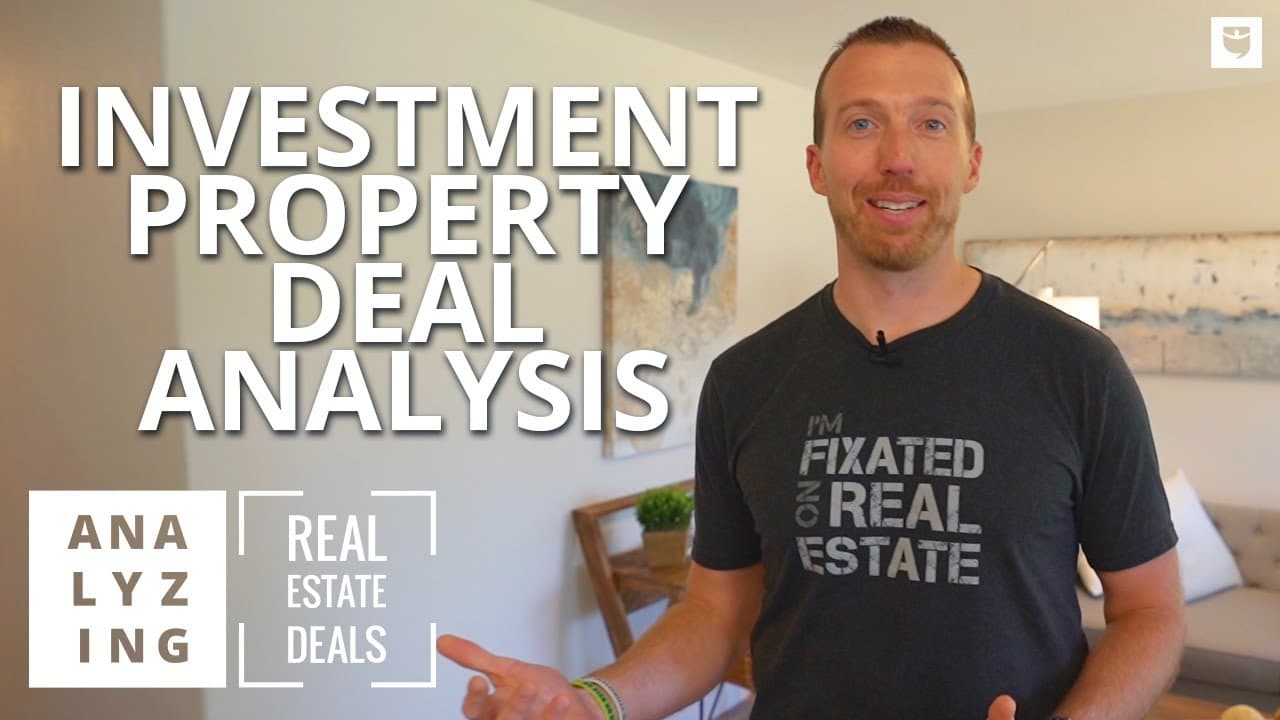
Tarl Yarber discusses a real estate flip and its financial details.
Transcript
hey everybody i'm tarle yarber with fixated real estate and we're here at a property that we just got done with not too long ago we've had it on the market we sold it it is off the books next week we're very excited about this fix and flip now we bought it for 213 500 off market from a wholesaler that's somebody that marketed to somebody that wante... Read More
Key Insights
- The property was purchased for $213,500 with a $22,000 assignment fee paid to a wholesaler, emphasizing the potential profitability of wholesaling in real estate.
- A significant $120,000 was invested in the property's rehabilitation, addressing issues like pest infestations and unforeseen construction challenges due to COVID-19.
- The house was sold for $470,000, resulting in a net profit of $73,000 after accounting for all holding and sales costs.
- The house was in a state of neglect, abandoned for three years, with pest issues and overgrown blackberry bushes, requiring extensive cleanup and renovation.
- Major renovations included new wiring, plumbing, and remodeling the kitchen and bathrooms, while also addressing the layout to add a master suite for increased property value.
- Unexpected costs included $6,000 for pest control and additional expenses for HVAC and roofing, highlighting the importance of budgeting for unforeseen issues in property flips.
- The project took eight months from purchase to sale, with delays caused by COVID-19 restrictions and pest control measures.
- Tarl Yarber discusses the importance of flipping properties to generate capital for long-term real estate investments, despite the high tax rate on flip profits.
Install to Summarize YouTube Videos and Get Transcripts
Explore YouTube Video Summarizer or Get YouTube Transcript Extractor
Questions & Answers
Q: How was the property acquired?
The property was acquired off-market from a wholesaler for $213,500, which included a $22,000 assignment fee. Wholesalers play a crucial role in real estate by finding properties and assigning contracts to investors for a fee, highlighting their potential profitability in the industry.
Q: What were the main challenges during the renovation?
The renovation faced several challenges, including pest infestations and construction delays due to COVID-19. The property was abandoned for three years, leading to issues like overgrown blackberry bushes and pest problems, which required significant cleanup and an unexpected $6,000 pest control expense.
Q: What were the key renovations made to the property?
Key renovations included new wiring, plumbing, and remodeling of the kitchen and bathrooms. The layout was altered to add a master suite, increasing the property's value. The kitchen was redesigned, and a large, awkward bathroom was split into two, creating a more functional space for potential buyers.
Q: What were the financial outcomes of the project?
The property was sold for $470,000, resulting in a net profit of $73,000 after accounting for the $120,000 renovation cost, $24,600 holding costs, and $31,960 sales costs. Despite going over budget by $15,000 due to unforeseen expenses, the project was profitable due to buying the property at a good price.
Q: Why did the project take eight months to complete?
The project took eight months due to construction holds and pest control measures. COVID-19 restrictions caused delays, and pest control required halting work for almost two months to ensure thorough treatment. These factors extended the overall timeline from purchase to sale.
Q: Why was the property not kept as a rental?
The property was not kept as a rental because it would not have generated sufficient cash flow to justify holding it. The expected rental income would have barely covered expenses, with a potential for negative cash flow, making a sale for $73,000 profit a more viable option for generating capital.
Q: What unexpected costs were encountered during the renovation?
Unexpected costs included $6,000 for pest control, additional expenses for HVAC ducting, and a higher-than-anticipated roofing cost. These unforeseen expenses highlight the importance of budgeting for contingencies in property flips, as they can significantly impact the overall profitability of a project.
Q: How does Tarl Yarber view property flips in terms of business strategy?
Tarl Yarber views property flips as a means to generate capital for long-term real estate investments. While flips are taxed at a higher rate, they provide necessary funds to invest in rental properties and other real estate ventures, supporting the overall growth and sustainability of a real estate business.
Summary & Key Takeaways
-
Tarl Yarber walks through a recently completed real estate flip, detailing the purchase, renovation, and sale process, including financial aspects and challenges faced during the project.
-
The property, bought for $213,500, required extensive renovation costing $120,000, addressing issues like pest infestations and layout changes to increase value, leading to a sale price of $470,000.
-
Despite unforeseen costs and delays due to COVID-19, the project resulted in a $73,000 net profit, emphasizing the role of property flips in generating capital for long-term investments.
Read in Other Languages (beta)
Share This Summary 📚
Summarize YouTube Videos and Get Video Transcripts with 1-Click
Try YouTube Summary with ChatGPT & Claude or YouTube Transcript Generator
Explore More Summaries from BiggerPockets 📚






Summarize YouTube Videos and Get Video Transcripts with 1-Click
Try YouTube Summary with ChatGPT & Claude or YouTube Transcript Generator