How to Use Functional Medicine for Natural Disease Treatment
TL;DR
Functional medicine offers a holistic approach to health, focusing on underlying causes rather than just symptoms. Unlike conventional medicine, which often relies on pharmaceuticals, functional medicine incorporates nutrition, exercise, and lifestyle changes to improve health. It's especially beneficial for those not finding solutions through traditional methods, and it can be a valuable addition for health coaches and trainers seeking to enhance their practice.
Transcript
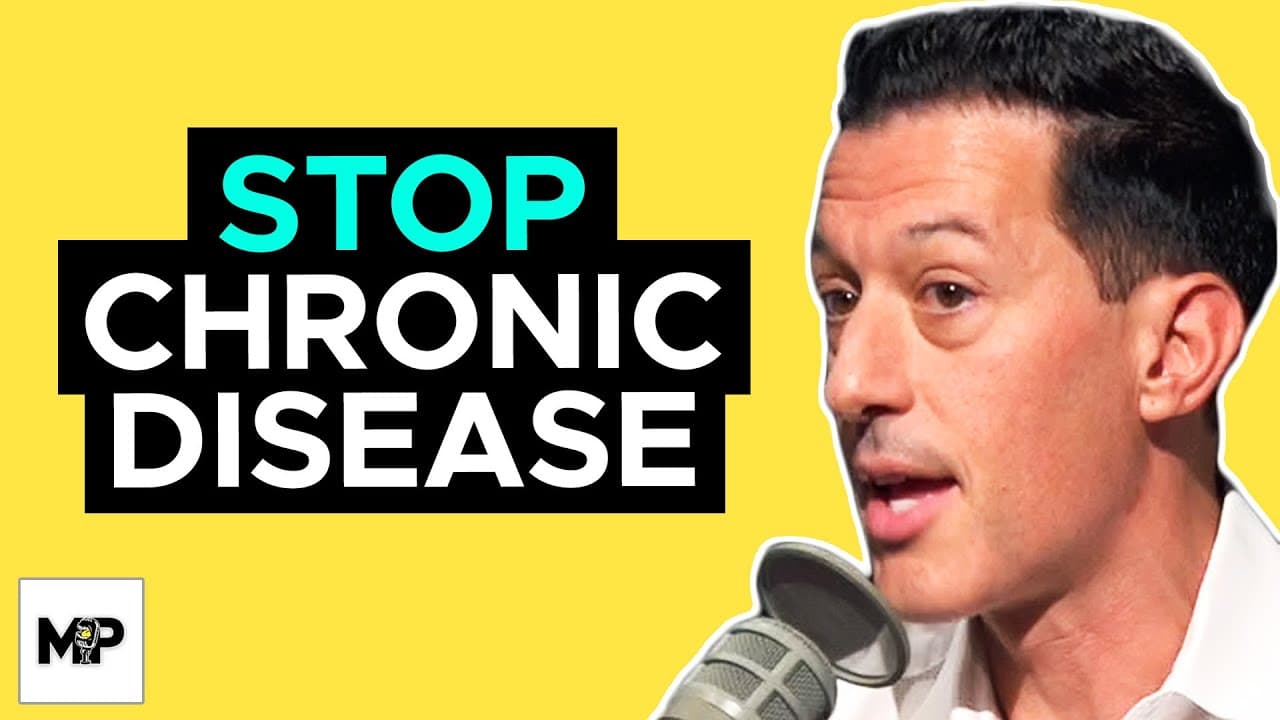
foreign welcome back to mind pump in this episode we talked to Dr Stephen Cabral about functional medicine what functional medicine is the benefits of seeing a functional medicine doctor versus a traditional medical doctor and even how trainers and coaches can get certifications in functional medicine to grow their business all right enjoy the show... Read More
Key Insights
- Functional medicine bridges the gap between conventional medicine and natural health practices, focusing on holistic health.
- Conventional medicine excels in acute care but often lacks in addressing chronic health issues or preventive care.
- Functional medicine uses advanced lab testing to identify root causes of health issues, offering personalized treatment plans.
- The Integrative Health Practitioner certification provides tools for coaches to incorporate functional medicine into their practice.
- Biohacking tools like the Oura Ring provide valuable biometric data, helping track health improvements over time.
- Functional medicine's growth is driven by a market response to the limitations of traditional healthcare systems.
- Functional medicine practitioners often use a combination of Western and Eastern medical practices for comprehensive care.
- The future of healthcare may involve a blend of conventional and functional medicine, driven by insurance companies seeking cost-effective health solutions.
Install to Summarize YouTube Videos and Get Transcripts
Explore YouTube Video Summarizer or Get YouTube Transcript Extractor
Questions & Answers
Q: How does functional medicine differ from conventional medicine?
Functional medicine focuses on identifying and treating the root causes of diseases, rather than just managing symptoms. It involves a holistic approach that includes nutrition, exercise, and lifestyle changes. In contrast, conventional medicine often relies on pharmaceuticals for symptom management, excelling in acute care but sometimes lacking in chronic disease prevention and management.
Q: What are the benefits of seeing a functional medicine practitioner?
Seeing a functional medicine practitioner offers a personalized approach to health, focusing on the root causes of health issues. Practitioners use advanced lab testing to tailor treatment plans, incorporating nutrition, exercise, and lifestyle changes. This approach is particularly beneficial for those not finding solutions through traditional medicine, as it aims to improve overall health and prevent future issues.
Q: How can trainers and coaches integrate functional medicine into their practice?
Trainers and coaches can integrate functional medicine into their practice by obtaining certifications like the Integrative Health Practitioner certification. This allows them to incorporate advanced lab testing and personalized health protocols into their services, offering clients a more comprehensive approach to health that goes beyond traditional fitness and nutrition advice.
Q: What role do biohacking tools play in functional medicine?
Biohacking tools, such as the Oura Ring, play a significant role in functional medicine by providing valuable biometric data. These tools help track health improvements, monitor sleep, stress, and activity levels, and offer insights into how lifestyle changes impact overall health. This data allows practitioners to personalize treatment plans and make informed decisions about client care.
Q: Why is functional medicine becoming more popular?
Functional medicine is gaining popularity due to its holistic approach to health, addressing the limitations of conventional medicine in chronic disease management and prevention. As more people seek personalized care that focuses on the root causes of health issues, functional medicine provides solutions that are not solely reliant on pharmaceuticals, making it an attractive option for those looking for comprehensive health care.
Q: What are the key components of functional medicine?
The key components of functional medicine include a focus on identifying and treating the root causes of health issues, using advanced lab testing for personalized treatment plans, and incorporating a holistic approach that includes nutrition, exercise, and lifestyle changes. It combines elements of both Western and Eastern medicine, providing a comprehensive approach to health care that emphasizes prevention and overall well-being.
Q: How can functional medicine benefit chronic disease management?
Functional medicine benefits chronic disease management by focusing on the underlying causes of health issues rather than just managing symptoms. It uses advanced lab testing to tailor personalized treatment plans, incorporating nutrition, exercise, and lifestyle changes. This approach aims to improve overall health, reduce the risk of future health problems, and provide long-term solutions rather than short-term fixes.
Q: What is the future of functional medicine in healthcare?
The future of functional medicine in healthcare may involve a blend with conventional medicine, driven by insurance companies seeking cost-effective health solutions. As functional medicine continues to grow in popularity, it may become more integrated into mainstream healthcare systems, offering a comprehensive approach that combines the strengths of both conventional and natural health practices for improved patient outcomes.
Summary & Key Takeaways
-
Functional medicine focuses on identifying and treating the root causes of diseases rather than just managing symptoms. It combines Western and Eastern medical practices, offering a holistic approach that includes nutrition, exercise, and lifestyle changes.
-
Conventional medicine is effective for acute medical issues but often falls short in chronic disease management and prevention. Functional medicine practitioners use advanced lab testing to provide personalized treatment plans that address underlying health issues.
-
The Integrative Health Practitioner certification allows coaches and trainers to incorporate functional medicine into their practice, offering clients a more comprehensive health approach. Biohacking tools like the Oura Ring are valuable for tracking health improvements and personalizing care.
Read in Other Languages (beta)
Share This Summary 📚
Summarize YouTube Videos and Get Video Transcripts with 1-Click
Try YouTube Summary with ChatGPT & Claude or YouTube Transcript Generator
Explore More Summaries from Mind Pump Show 📚



Summarize YouTube Videos and Get Video Transcripts with 1-Click
Try YouTube Summary with ChatGPT & Claude or YouTube Transcript Generator