Women in the Armed Forces: The Future of the Military

TL;DR
The military is integrating women into combat roles, facing challenges and opportunities.
Transcript
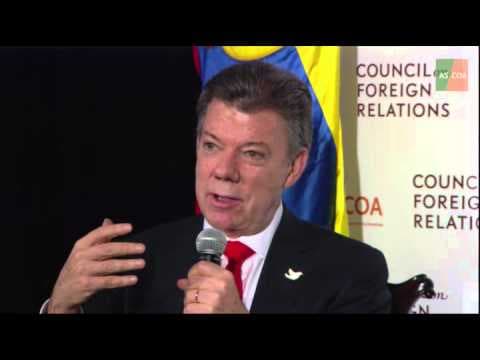
DOZIER: So welcome to today's Council on Foreign Relations meeting on "Women in the Armed Forces: The Future of the Military." We're starting things promptly at 8:30 and 1/2. Today we have with us Juliet Beyler, who is the principal director of force resiliency of the Office of the Under Secretary of Defense for Personnel and Readiness at the Penta... Read More
Key Insights
- The Pentagon has opened all combat roles to women, with implementation plans approved and positions now accessible for recruitment.
- The first women Navy SEALs are expected by summer 2018 due to the lengthy training pipeline.
- Ranger courses are shorter, and women are already being recruited and trained for these roles.
- Women have already been in combat unofficially, working alongside special operations forces despite previous combat bans.
- Concerns about lowering standards are addressed by ensuring occupationally specific, operationally relevant standards.
- Foreign military integration shows that low numbers of women in combat roles are common, with no quotas set for participation.
- The potential benefits of integration include diverse perspectives and skills, though challenges like injury rates need addressing.
- The broader conversation on national service and selective service registration for women is ongoing, reflecting societal changes.
Install to Summarize YouTube Videos and Get Transcripts
Explore YouTube Video Summarizer or Get YouTube Transcript Extractor
Questions & Answers
Q: What is the status of women joining the Navy SEALs?
Women are expected to join the Navy SEALs by summer 2018. The SEAL training pipeline is long, with the next enlisted SEAL course starting in the summer of 2016 and the officer course later that year. The entire process, including assessment and selection, takes about two years.
Q: Have women already been involved in combat roles?
Yes, women have been involved in combat roles unofficially, particularly in the past decade. They have served alongside Army Rangers, Navy SEALs, and Special Operations teams, experiencing combat despite the official combat ban. This highlights the need for formal integration and recognition of their contributions.
Q: What are the concerns about lowering standards for women in combat roles?
Concerns about lowering standards are addressed by establishing occupationally specific, operationally relevant standards. These standards are unemotional and clearly defined, ensuring that women and men meet the necessary requirements for combat roles. The focus is on maintaining high standards rather than meeting quotas.
Q: What lessons have been learned from foreign militaries regarding women in combat roles?
Foreign militaries show that low numbers of women in combat roles are common, with single-digit percentages. Lessons learned include the importance of monitoring implementation, addressing injury rates through equipment adjustments, and recognizing that success should not be defined by numbers alone.
Q: How does the integration of women in combat roles affect national service discussions?
The integration of women in combat roles prompts broader discussions on national service and selective service registration for women. While the Department of Defense is prepared to participate in these discussions, the conversation extends beyond the military and requires a national dialogue on public service.
Q: What unique advantages do women bring to combat roles?
Women bring unique advantages to combat roles, such as different perspectives and skills. Their involvement can enhance mission effectiveness, particularly in areas like countering violent extremism. The military is exploring ways to capitalize on these advantages while maintaining high standards for all service members.
Q: What is the cost impact of integrating women into combat roles?
The cost impact of integrating women into combat roles is minimal, with less than 1 percent of the overall personnel budget affected. Concerns about high costs are addressed by showing that necessary facilities modifications and training programs are already in place or require minor adjustments.
Q: How have historical policies like Title IX influenced women's participation in combat roles?
Title IX has influenced women's participation in combat roles by promoting athleticism and physical fitness among women. Many women in the military have backgrounds in sports, which prepares them for the physical demands of combat roles. This historical policy has contributed to the readiness and capabilities of women in the armed forces.
Summary & Key Takeaways
-
The Pentagon's decision to open combat roles to women marks a significant policy shift, with detailed implementation plans ensuring standards are maintained. Women have unofficially served in combat, highlighting their capabilities and the need for formal integration.
-
Concerns about physical standards and injury rates are addressed through rigorous standards and potential equipment adjustments. The integration process draws lessons from foreign militaries, emphasizing flexibility and monitoring for successful implementation.
-
The broader implications of this policy change include discussions on national service and selective service registration for women. The integration reflects societal changes and aims to leverage diverse talents for national security.
Read in Other Languages (beta)
Share This Summary 📚
Summarize YouTube Videos and Get Video Transcripts with 1-Click
Try YouTube Summary with ChatGPT & Claude or YouTube Transcript Generator
Explore More Summaries from Council on Foreign Relations 📚

Summarize YouTube Videos and Get Video Transcripts with 1-Click
Try YouTube Summary with ChatGPT & Claude or YouTube Transcript Generator