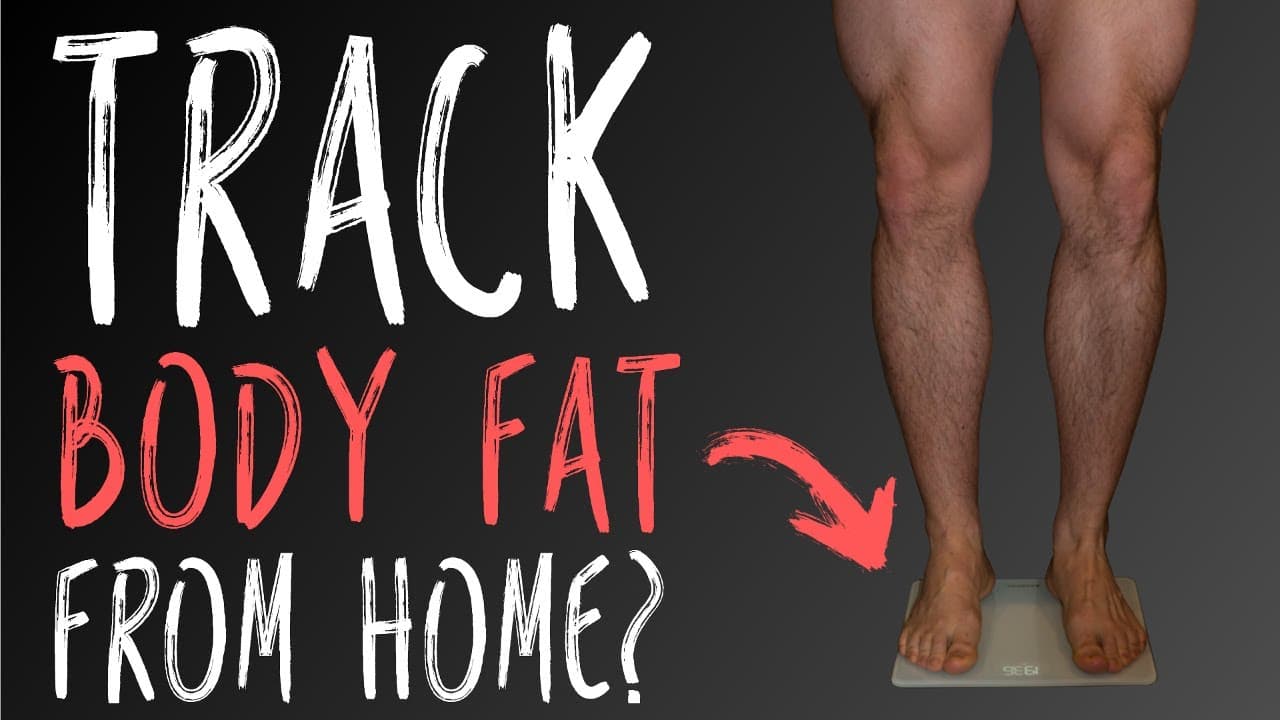
Should you track body fat? (RENPHO bluetooth body fat scale)
TL;DR
Tracking body fat with bioimpedance scales is convenient but may not be fully accurate due to body fat distribution.
Transcript
should you track your body fat when dieting and how do you track your body fat that's what we're gonna talk about in this video but first let's go get a workout what's up guys around here trailer weight training comm where we help busy professionals get more results in less time do all-night training when it comes to tracking progress for weight lo... Read More
Key Insights
- 🏋️ Popular options for tracking progress include weighing, measuring, and taking progress pictures.
- 👨 Different methods like DEXA, underwater weighing, calipers, and bioimpedance scales are available for tracking body fat.
- 👨 Bioimpedance scales are convenient but may not be fully accurate due to body fat distribution.
- 🤩 Consistency in measurements is key for tracking progress over time.
- 🦶 Using bioimpedance scales requires specific steps like morning measurement with dry and clean feet.
- 👨 R info scale offers various body metrics beyond body fat percentage.
- 👏 Customer support for R info scale is praised for prompt and helpful service.
Install to Summarize YouTube Videos and Get Transcripts
Explore YouTube Video Summarizer or Get YouTube Transcript Extractor
Questions & Answers
Q: What are the popular options for tracking progress in weight loss or muscle growth?
Popular options include daily weighing, weekly waist measurements, and progress pictures every four weeks.
Q: How do bioimpedance scales like R info scale estimate body fat percentage?
Bioimpedance scales send a small current through the body, estimating body fat based on resistance of different tissues and water content.
Q: Why might bioimpedance scales give inaccurate body fat percentage readings?
Bioimpedance scales measure body fat of the lower half only, potentially giving inaccurate readings based on body fat distribution.
Q: How should one use a bioimpedance scale for accurate tracking of body fat?
To get accurate results, use the scale in the morning before eating or drinking, after using the bathroom, with dry and clean feet.
Summary & Key Takeaways
-
Tracking progress for weight loss or muscle growth involves weighing daily, waist measurement weekly, and progress pictures every four weeks.
-
Body fat can be tracked using various methods such as DEXA, underwater weighing, calipers, and bioimpedance scales like the R info scale.
-
Bioimpedance scales are convenient but less accurate as they measure body fat of the lower half only, potentially skewing results.
Read in Other Languages (beta)
Share This Summary 📚
Summarize YouTube Videos and Get Video Transcripts with 1-Click
Try YouTube Summary with ChatGPT & Claude or YouTube Transcript Generator
Explore More Summaries from Ryan Treadaway 📚


Summarize YouTube Videos and Get Video Transcripts with 1-Click
Try YouTube Summary with ChatGPT & Claude or YouTube Transcript Generator