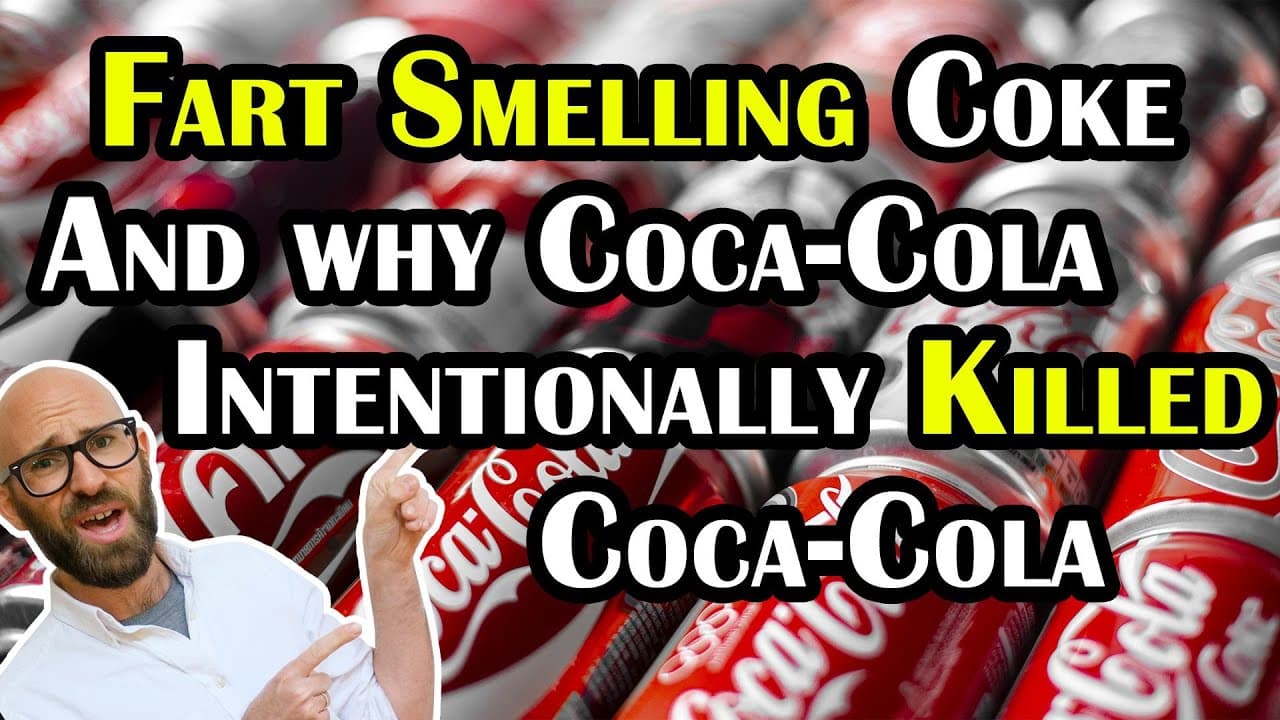
That Time Coca Cola Spent $100 Million Intentionally Filling Its Soda Cans With Fart Water
TL;DR
Coca-Cola's MagiCan campaign in 1990 involved hiding cash prizes and coupons inside cans of Coke, but the promotion faced numerous issues and negative publicity, including faulty mechanisms and rumors of a child being hospitalized after drinking from a can.
Transcript
this video is brought to you by audible unlock six months of audible plus for 4.95 per month by visiting audible.com forward slash brain food or texting brain food to 500-500 conceived in early 1990 the magikarn campaign was supposed to be the spearhead of a massive summer promotion that the kola giant dubbed the magic summer of 1990. in a nutshell... Read More
Key Insights
- 🖖 The MagiCan campaign aimed to create excitement and engagement through hidden cash prizes and coupons inside cans of Coke.
- 🥺 Coca-Cola faced controversy by sending cash-filled sample cans to journalists, leading to ethical concerns.
- 🥺 Issues with faulty mechanisms and foul-smelling liquid in the cans led to customer complaints and negative publicity.
- 👶 Rumors of a child being hospitalized after drinking from a MagiCan caused further damage to Coke's reputation.
- 🥺 Negative publicity ultimately led to the cancellation of the campaign, but Coca-Cola's sales still saw a significant increase during the promotion.
- #️⃣ Pepsi launched a similar campaign shortly after, using cool cans with printed numbers for customers to claim prizes through a toll-free number.
- 😚 Coca-Cola's decision to introduce New Coke and discontinue Coca-Cola Classic was driven by market competition, taste preferences, and the fear of losing market share.
Install to Summarize YouTube Videos and Get Transcripts
Explore YouTube Video Summarizer or Get YouTube Transcript Extractor
Questions & Answers
Q: What was the concept behind Coca-Cola's MagiCan campaign?
The MagiCan campaign involved hiding cash prizes and coupons inside cans of Coke to create excitement and engagement with customers during the summer.
Q: What were some of the issues faced during the campaign?
The campaign faced issues with faulty mechanisms in the cans, resulting in soggy and smelly prizes. Some cans also leaked, leading to foul-smelling and foul-tasting liquid. Additionally, rumors of a child being hospitalized after drinking from a can created negative publicity.
Q: How did Coca-Cola respond to the negative publicity?
Coca-Cola entered damage control mode, paying for advertisements in newspapers and airtime to address the defective cans. They assured the public that the liquid was harmless but terminated the campaign due to the growing negative publicity.
Q: Did the MagiCan campaign have any positive impact on Coca-Cola's sales?
Despite the campaign's issues, Coca-Cola experienced a spike in sales during the three weeks of the promotion. This demonstrates the saying "there's no such thing as bad publicity," as the negative attention still led to increased sales.
Summary & Key Takeaways
-
The MagiCan campaign was launched by Coca-Cola in 1990 as a summer promotion, hiding cash prizes and coupons inside cans of Coke.
-
The campaign faced initial controversy for sending cash-filled sample cans to journalists and began receiving complaints from customers about defective mechanisms and foul-smelling liquid in the cans.
-
Rumors spread of a child being hospitalized after drinking from a MagiCan, leading to negative publicity and ultimately the cancellation of the promotion.
Read in Other Languages (beta)
Share This Summary 📚
Summarize YouTube Videos and Get Video Transcripts with 1-Click
Try YouTube Summary with ChatGPT & Claude or YouTube Transcript Generator
Explore More Summaries from Today I Found Out 📚


Summarize YouTube Videos and Get Video Transcripts with 1-Click
Try YouTube Summary with ChatGPT & Claude or YouTube Transcript Generator