Veterans’ Challenges in the Transition to Civilian Life
TL;DR
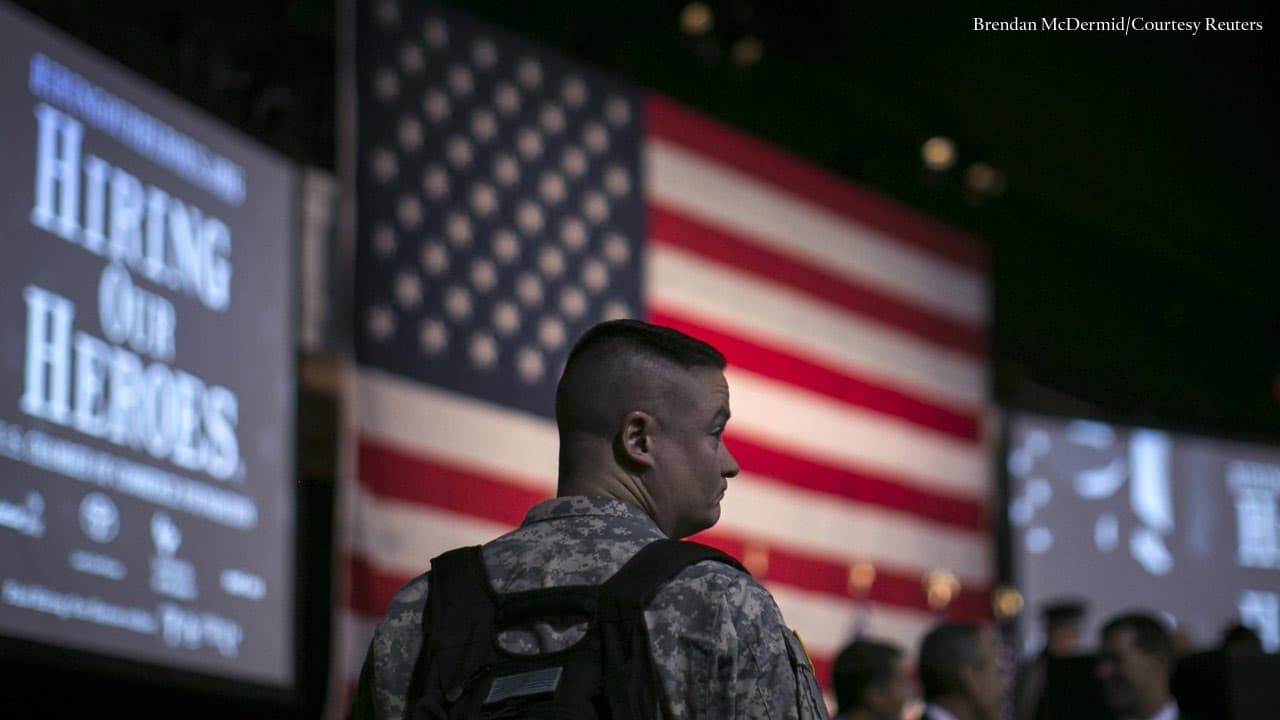
Panel discusses challenges and solutions for veterans transitioning to civilian life.
Transcript
POTTINGER: Good morning, everyone. I'm Matt Pottinger. I'd like to welcome you today to the Council on Foreign Relations for this meeting. Before we get started, please take a minute just to silence your smartphones and BlackBerrys and other handheld devices, put it in airplane mode, or turn it off. When it's on, even if it's muted, it will distort... Read More
Key Insights
- The majority of veterans returning from post-9/11 wars are healthy, but misconceptions about their health can impact their employment opportunities.
- There is a need for better diagnostic tools and treatments for post-traumatic stress and traumatic brain injuries among veterans.
- The transition from military to civilian life can be challenging due to differences in treatment protocols between the Department of Defense and the Veterans Administration.
- Employment for veterans is improving but remains a challenge, particularly for women and older veterans who face higher unemployment rates.
- Veterans possess valuable leadership skills, but there is a need for better education of hiring managers to recognize these skills.
- The Veterans Administration is working to streamline the claims process, but the volume and complexity of claims have increased significantly.
- There is a proliferation of veteran service organizations, making it challenging for veterans to find the right support.
- Public and private sectors are making efforts to improve employment opportunities for veterans, but more work is needed to address misconceptions and biases.
Install to Summarize YouTube Videos and Get Transcripts
Explore YouTube Video Summarizer or Get YouTube Transcript Extractor
Questions & Answers
Q: What are the main health challenges veterans face when transitioning to civilian life?
Veterans face health challenges such as post-traumatic stress disorder (PTSD) and traumatic brain injuries (TBI). These are often referred to as the signature wounds of post-9/11 wars. The panel highlights the need for better diagnostic tools and treatments to address these issues effectively. Misconceptions about these conditions can also impact veterans' employment opportunities, as hiring managers may have biases against hiring veterans due to perceived health risks.
Q: How is the Veterans Administration addressing the backlog of claims?
The Veterans Administration is working to reduce the backlog of claims by streamlining processes and improving efficiency. They have made significant progress, reducing the backlog by 60% in recent years. However, the volume and complexity of claims have increased, with veterans filing more claims with multiple medical issues. The VA is also focused on weeding out fraudulent claims to ensure that veterans who truly need assistance receive it promptly.
Q: What are the employment challenges veterans face, and how can they be addressed?
Veterans face employment challenges due to misconceptions about their health and abilities. Women and older veterans, in particular, experience higher unemployment rates. The panel suggests educating hiring managers about the leadership skills and experience veterans bring to the table. They also discuss the importance of creating programs that help veterans transition smoothly into civilian roles, such as accelerated learning programs and internships that leverage their military experience.
Q: How can misconceptions about veterans' health impact their employment opportunities?
Misconceptions about veterans' health, such as the belief that all veterans have PTSD or TBI, can negatively impact their employment opportunities. Hiring managers may have biases against hiring veterans due to perceived health risks, despite the fact that most veterans are healthy and possess valuable skills. The panel emphasizes the need to educate employers about the realities of veterans' health and the benefits of hiring veterans, who often have strong leadership and problem-solving skills.
Q: What role do veteran service organizations play in supporting veterans?
Veteran service organizations play a crucial role in supporting veterans by providing a range of services, including health care, legal assistance, and employment opportunities. However, the proliferation of these organizations can make it challenging for veterans to navigate and find the right support. The panel suggests that better coordination and synchronization of services are needed to ensure veterans receive the assistance they need efficiently and effectively.
Q: How are public and private sectors working to improve employment opportunities for veterans?
Both public and private sectors are making efforts to improve employment opportunities for veterans. Initiatives include creating veteran-specific hiring programs, offering internships and apprenticeships, and developing accelerated learning programs to help veterans quickly acquire the skills needed for civilian jobs. However, more work is needed to address misconceptions and biases among hiring managers and to ensure that veterans are connected with employers who value their skills and experience.
Q: What are some of the challenges women veterans face when transitioning to civilian life?
Women veterans face unique challenges when transitioning to civilian life, including higher unemployment rates and difficulties reconnecting with family and community. Many women veterans are focused on restoring relationships with their families and children after deployment, which can impact their job search. Additionally, women veterans may feel disconnected from their military networks and face biases in the civilian workforce. The panel suggests targeted support and outreach to help women veterans successfully transition to civilian roles.
Q: How can society better recognize and value the skills veterans bring to the civilian workforce?
Society can better recognize and value veterans' skills by educating employers and hiring managers about the leadership, problem-solving, and decision-making abilities veterans possess. Highlighting successful veteran transitions and promoting positive narratives about veterans in media can also help change perceptions. The panel suggests creating programs that translate military experience into civilian job qualifications and providing mentorship and networking opportunities to help veterans connect with potential employers and advance in their careers.
Summary & Key Takeaways
-
The panel highlights the challenges veterans face when transitioning to civilian life, including health misconceptions and employment difficulties. They discuss the need for better diagnostic tools for PTSD and TBI and emphasize the importance of educating hiring managers about veterans' skills.
-
Efforts are being made to streamline veterans' services and improve employment opportunities, but challenges remain, particularly for women and older veterans. The panel discusses the role of public and private sectors in supporting veterans' transition.
-
The panelists emphasize the importance of addressing misconceptions about veterans' health and abilities. They highlight the proliferation of veteran service organizations and the need for better coordination and support to ensure veterans receive the assistance they need.
Read in Other Languages (beta)
Share This Summary 📚
Summarize YouTube Videos and Get Video Transcripts with 1-Click
Try YouTube Summary with ChatGPT & Claude or YouTube Transcript Generator
Explore More Summaries from Council on Foreign Relations 📚

Summarize YouTube Videos and Get Video Transcripts with 1-Click
Try YouTube Summary with ChatGPT & Claude or YouTube Transcript Generator