Reversing Eating Disorders And Overcoming the Fear Of Eating More
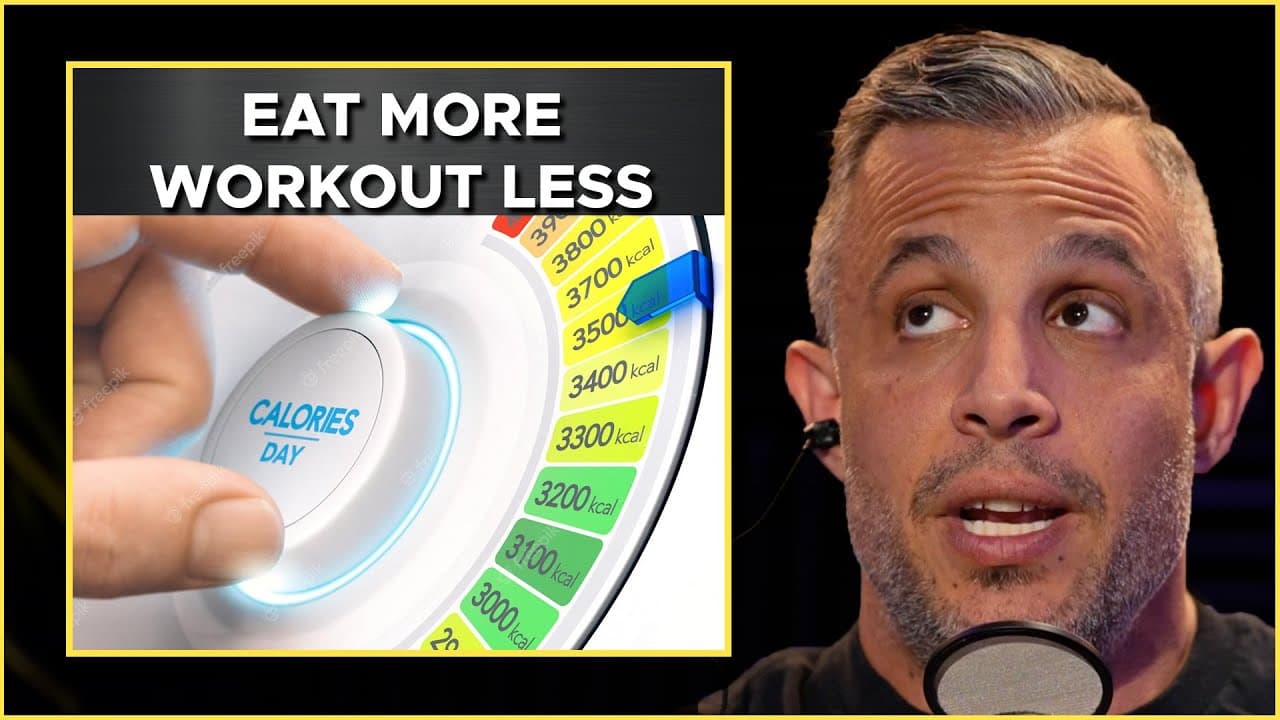
TL;DR
Lexi seeks advice on recovering from exercise addiction and improving health.
Transcript
foreign first caller is Lexi from Alabama hi Lexi how you doing how can we help you I'm great how are you good thank you okay hi I wanted to thank y'all for everything y'all do it does not go appreciated you got it so I've been listening to y'all for about two years and I've almost listened to every single episode and when I was 13 I was diagnosed ... Read More
Key Insights
- Lexi, a caller from Alabama, shares her journey of recovering from anorexia but struggles with excessive exercise and low hormone levels.
- Running is identified as a form of exercise often abused by those recovering from eating disorders due to its demanding nature.
- The hosts recommend significantly reducing exercise, particularly running, to help restore hormonal balance and overall health.
- Nutrient-dense foods, especially red meat and eggs, are suggested to help address Lexi's anemia and low hormone levels.
- The psychological aspect of reducing exercise is acknowledged as a challenge, akin to breaking up with a toxic relationship.
- Lexi is encouraged to find alternative activities, such as focusing on her small baking business, to replace the urge to exercise excessively.
- Seeking professional help, particularly a therapist, is advised to support Lexi through the psychological challenges of recovery.
- The hosts emphasize the importance of rest and recovery, suggesting longer rest periods during strength training sessions.
Install to Summarize YouTube Videos and Get Transcripts
Explore YouTube Video Summarizer or Get YouTube Transcript Extractor
Questions & Answers
Q: What is Lexi's main health concern?
Lexi's main health concern is her excessive exercise routine, which includes running six to seven miles six days a week and strength training five days a week. This has led to low hormone levels, severe anemia, and the absence of her menstrual period, despite consuming around 2200 calories a day.
Q: Why is running considered problematic for Lexi?
Running is considered problematic for Lexi because it is a form of exercise that can be easily abused by individuals recovering from eating disorders. The nature of running, with its persistent endurance and distraction from pain, makes it appealing to those with a history of anorexia or bulimia, potentially leading to overtraining and further health issues.
Q: What dietary changes are suggested for Lexi?
The hosts suggest that Lexi focus on consuming nutrient-dense foods, particularly red meat and eggs, to address her anemia and low hormone levels. These foods are rich in essential nutrients that can help replenish her body's depleted resources and support overall health improvement.
Q: What psychological challenges does Lexi face in her recovery?
Lexi faces psychological challenges related to detaching from her exercise routine, which has become a form of control and coping mechanism. The hosts liken this to breaking up with a toxic relationship, where the emotional attachment and fear of change can make it difficult to let go, despite knowing it's necessary for her health.
Q: What alternative activities are suggested for Lexi?
Lexi is encouraged to find alternative activities to replace excessive exercise, such as focusing on her small baking business. This shift allows her to channel her need for control and productivity into a healthier outlet, reducing the psychological reliance on exercise as a coping mechanism.
Q: Why is professional support recommended for Lexi?
Professional support, particularly from a therapist, is recommended for Lexi to help her navigate the psychological challenges of reducing exercise and changing her relationship with food and body image. A therapist can provide guidance and strategies to manage the emotional aspects of her recovery journey.
Q: What changes are suggested for Lexi's exercise routine?
The hosts suggest that Lexi stop running completely and reduce her strength training to two or three days a week with a focus on full-body workouts. They emphasize the importance of longer rest periods and the goal of getting stronger rather than pushing through workouts quickly.
Q: How can Lexi's current calorie intake be adjusted?
Lexi's current calorie intake of 2200 calories is considered adequate for her size, but the focus should be on shifting the types of foods she consumes to more nutrient-dense options. By reducing her exercise and changing her diet, her body should respond positively without needing a significant increase in calories.
Summary & Key Takeaways
-
Lexi, a caller from Alabama, shares her struggle with excessive exercise and low hormone levels after recovering from anorexia. The hosts recommend reducing exercise, focusing on nutrient-dense foods, and seeking professional support to improve her health.
-
Running is identified as a common form of exercise abused by those recovering from eating disorders. Lexi is advised to stop running and reduce strength training to allow her body to recover and restore hormonal balance.
-
Lexi is encouraged to find alternative activities, such as focusing on her baking business, to replace the urge to exercise excessively. The hosts emphasize the importance of professional support and rest in her recovery journey.
Read in Other Languages (beta)
Share This Summary 📚
Summarize YouTube Videos and Get Video Transcripts with 1-Click
Try YouTube Summary with ChatGPT & Claude or YouTube Transcript Generator
Explore More Summaries from Mind Pump Show 📚



Summarize YouTube Videos and Get Video Transcripts with 1-Click
Try YouTube Summary with ChatGPT & Claude or YouTube Transcript Generator