7 Reasons Why Your Favorite Fitness Influencer IS UNHEALTHY! | Mind Pump 1995
TL;DR
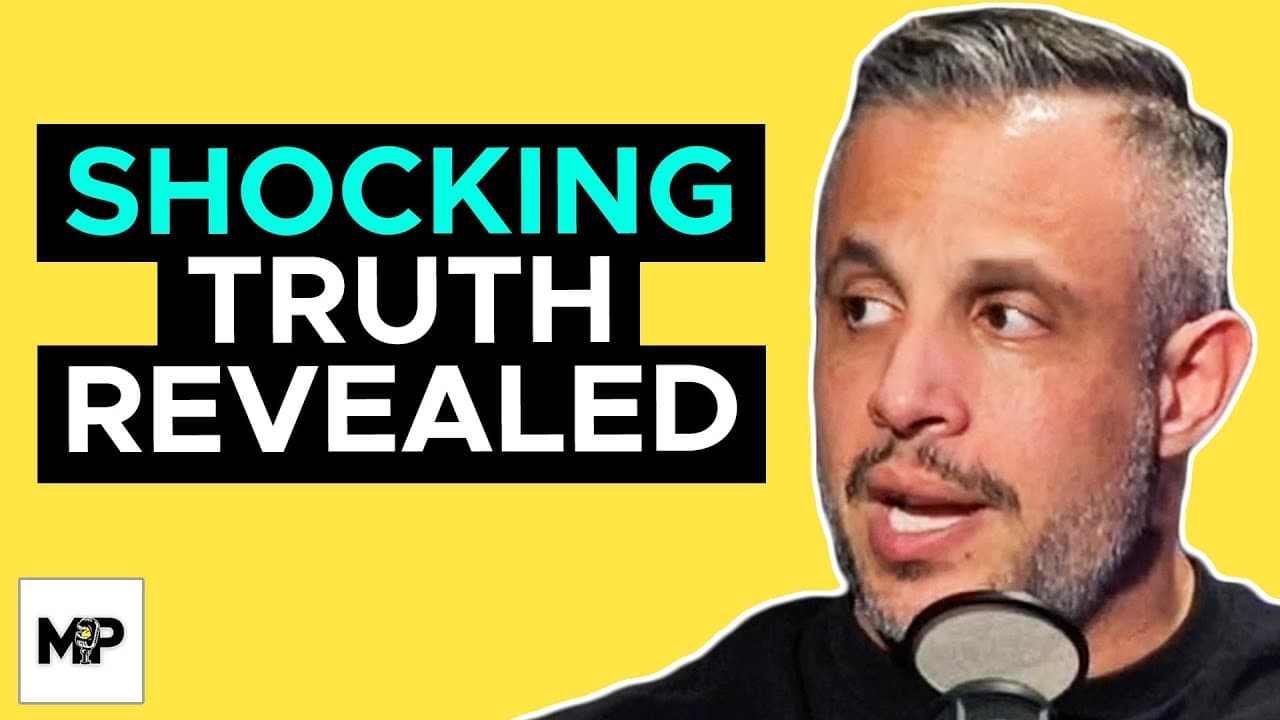
Fitness influencers often hide unhealthy habits behind their perfect images.
Transcript
the thing that shocked me the most is because I was a kid and I'm 18 years old as a trainer and it was a while before I really hung out with other people in my space I was still a kid I wasn't even old enough to drink and they didn't drink because of the calories a lot of them didn't smoke cigarettes because of this maybe how it affects their lungs... Read More
Key Insights
- Many fitness influencers suffer from eating disorders, often masked by their seemingly perfect physiques, leading to unhealthy relationships with food.
- Exercise abuse is prevalent among influencers, where workouts become a form of punishment rather than a healthy lifestyle choice.
- Narcissism is common, with influencers often creating a persona centered around their appearance and online presence.
- Body obsession can lead influencers to extremes, such as excessive plastic surgery, to maintain their youthful appearance.
- Substance abuse, including drugs that suppress appetite or enhance energy, is surprisingly common in the fitness influencer community.
- Inauthenticity is rampant, with influencers often presenting a curated, unrealistic version of their lives and fitness routines.
- Many influencers lack proper fitness and health expertise, offering advice based solely on personal experience rather than professional training.
- The pressure to maintain a perfect image can lead influencers to unhealthy behaviors, ultimately impacting their mental and physical health.
Install to Summarize YouTube Videos and Get Transcripts
Explore YouTube Video Summarizer or Get YouTube Transcript Extractor
Questions & Answers
Q: What is a common eating disorder among fitness influencers?
Many fitness influencers suffer from orthorexia, an eating disorder characterized by an obsession with eating foods that one considers healthy. This can lead to stress and anxiety when they deviate from their strict diet plans, and it often goes unnoticed because of their fit appearance.
Q: How do fitness influencers abuse exercise?
Fitness influencers often abuse exercise by using it as a form of punishment or as a way to compensate for dietary indulgences. This can lead to overtraining, injuries, and a negative relationship with physical activity, where the focus shifts from health to appearance.
Q: Why is narcissism prevalent among fitness influencers?
Narcissism is prevalent because the influencer culture often revolves around self-promotion and maintaining a perfect image. This can lead to an unhealthy level of self-obsession, where influencers believe the world revolves around them, impacting their relationships and mental health.
Q: What role does body obsession play in the lives of fitness influencers?
Body obsession can lead influencers to extreme measures, such as excessive plastic surgery, to maintain their youthful and fit appearance. This obsession can overshadow other aspects of their life, leading to mental health issues and strained relationships.
Q: What types of substances are commonly abused by fitness influencers?
Fitness influencers often abuse substances like cocaine, ecstasy, and prescription pills, which can suppress appetite or provide energy. This substance abuse is often hidden behind their fit image, but it poses significant health risks and highlights the unhealthy aspects of influencer culture.
Q: How do fitness influencers present an inauthentic image?
Influencers often curate their online personas to appear perfect, using filters, Photoshop, and fake routines to maintain their image. This inauthenticity can mislead followers and create unrealistic expectations, contributing to the mental health struggles of both influencers and their audience.
Q: Why are many fitness influencers not true experts?
Many influencers lack formal education or professional experience in fitness and health, relying instead on personal anecdotes and experiences. This can lead to the spread of misinformation and potentially harmful advice, as they prioritize image over expertise.
Q: What impact does the pressure to maintain a perfect image have on fitness influencers?
The pressure to maintain a perfect image can lead influencers to engage in unhealthy behaviors, such as extreme dieting, over-exercising, and substance abuse. This pressure can also cause mental health issues, as they struggle to keep up with the unrealistic standards they set for themselves.
Summary & Key Takeaways
-
The podcast discusses the hidden unhealthy habits of fitness influencers, including eating disorders and exercise abuse, which are often masked by their perfect online personas.
-
Narcissism and body obsession are prevalent, with influencers going to extremes to maintain their appearance, often at the cost of their health and relationships.
-
Substance abuse and inauthenticity are common, with many influencers lacking the proper expertise to give sound fitness advice, leading to misinformation and unhealthy behaviors.
Read in Other Languages (beta)
Share This Summary 📚
Summarize YouTube Videos and Get Video Transcripts with 1-Click
Try YouTube Summary with ChatGPT & Claude or YouTube Transcript Generator
Explore More Summaries from Mind Pump Show 📚


Summarize YouTube Videos and Get Video Transcripts with 1-Click
Try YouTube Summary with ChatGPT & Claude or YouTube Transcript Generator