What Story Shapes Our Relationship with Nature?
TL;DR
The dominant story that humans are separate and superior to nature has led to environmental degradation. A new narrative is emerging that emphasizes our interconnectedness with the natural world, supported by scientific evidence. To create a sustainable future, this story needs to be widely shared, integrated into education, and reflected in policies that respect and protect nature.
Transcript
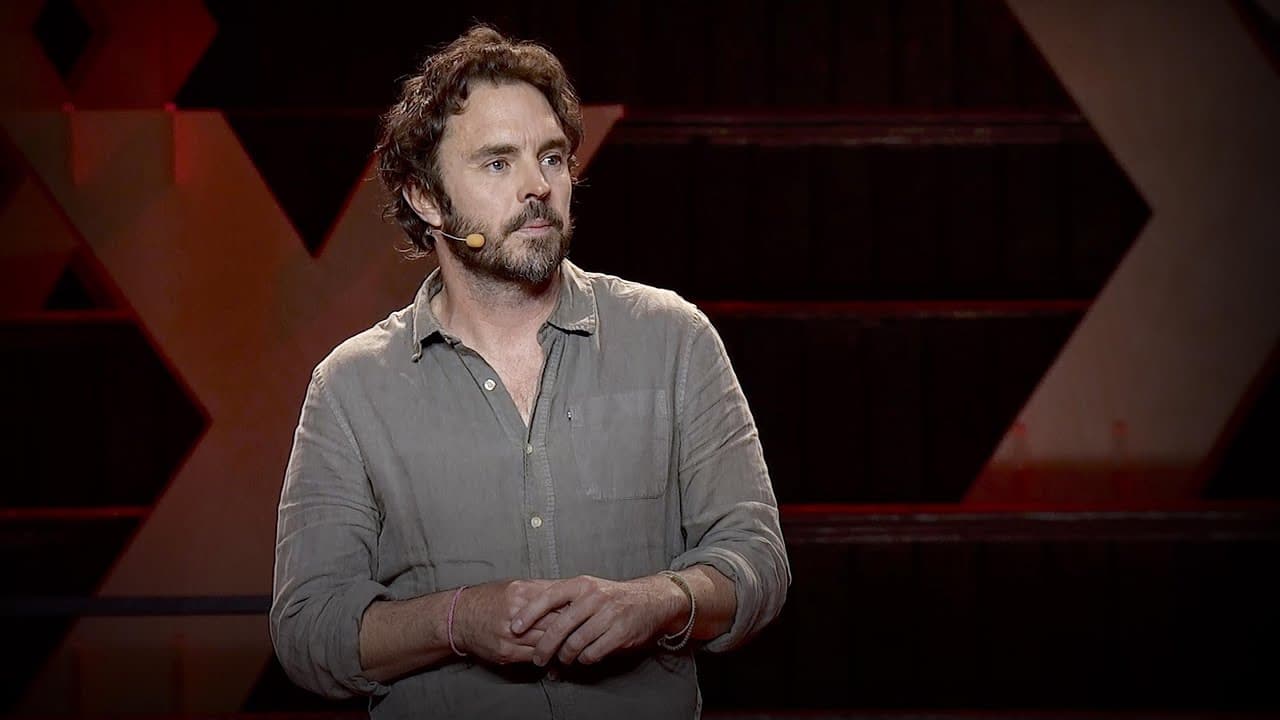
A few moments ago, before I walked onstage, I was aware that there was this story playing out in my head. It was actually a dance between two stories. One story was noticing the size of this audience and the cameras that are around, and was telling me that now would not be a good time to trip over a shoelace or forget any lines. And the other story... Read More
Key Insights
- 🚩 The stories we tell ourselves, both individually and collectively, play a fundamental role in shaping our behaviors and interactions with the world.
- 🌍 There is a collective story that humans are separate and superior to nature, which has led to the exploitation and destruction of the environment.
- ⛏️ The rise of Christianity and the Scientific Revolution contributed to a shift in perspective, treating nature as a machine to be manipulated rather than revered.
- 📚 The decline in the use of nature-related keywords in literature, music, and movies reflects the disconnect between humans and the natural world.
- 💻 Humans spend more time on screens and are bombarded with advertisements that further disconnect them from nature.
- 🚦 Despite scientists' warnings, humans remain trapped in their cultural programming and fail to take action to protect the environment.
- 🌳 A new regenerative story about the interconnection between humans and nature is emerging and supported by science.
- 🎭 To ensure a positive outcome, this new story needs to be spread throughout culture, embedded in early education, reflected in economic systems, and amplified by storytellers.
Install to Summarize YouTube Videos and Get Transcripts
Explore YouTube Video Summarizer or Get YouTube Transcript Extractor
Questions & Answers
Q: What role do the stories we tell ourselves play in how we interact with the world around us?
Therapists and psychologists tell us that the stories we tell ourselves play a fundamental role in how we interact with the world around us.
Q: How did the collective story about human beings and nature change over time?
In the past, the majority of people on Earth had deep reverence and respect for nature. They saw little separation between themselves and the world around them. However, with the rise of Christianity and the influence of figures like Francis Bacon and René Descartes, a new story emerged. It depicted humans as separate and superior to nature, leading to the exploitation and commodification of natural resources.
Q: What evidence emerged to challenge the dominant story about humans and nature?
Scientists started noticing alarming signs such as decreasing animal populations, heating of the atmosphere, and soil erosion. However, the dominant story was so deeply embedded in the culture that facts often didn't matter if they didn't fit the narrative. Additionally, the decline in the use of nature-related keywords in books, songs, and movies indicated a disconnection between humans and the natural world.
Q: How did the emergence of a new story about humans and nature begin?
The new story started with children skipping school to protest, farmers adopting regenerative practices, and Indigenous peoples gaining more recognition for their wisdom. Nature itself also made its presence felt through fires, storms, droughts, and rising waters. This forced people to reconsider their relationship with nature and recognize the interdependence between humans and the natural world.
Q: What actions should be taken to spread the new but old story about humans and nature?
The new story needs to be integrated into education curricula, reshape the economy to value nature, and transform media coverage to include environmental metrics. Furthermore, storytellers such as musicians and artists have a crucial role in amplifying the new story and creating an emotional connection to the living world. Through these actions, the new but old story can shape culture, inspire leaders, influence policies, and ultimately create a thriving, regenerative, ecological future.
Summary & Key Takeaways
-
The stories we tell ourselves, both individually and collectively, shape our behaviors and interactions with the world around us.
-
The dominant collective story that human beings are separate and superior to nature has led to environmental degradation and the disregard for the natural world.
-
A new but old story is emerging, supported by science, that promotes a deep reverence and respect for nature and acknowledges the interconnectedness between humans and the natural world. This story must be spread, embedded in education and policy, and amplified by artists and storytellers for a regenerative, ecological future.
Read in Other Languages (beta)
Share This Summary 📚
Summarize YouTube Videos and Get Video Transcripts with 1-Click
Try YouTube Summary with ChatGPT & Claude or YouTube Transcript Generator
Explore More Summaries from TED 📚

Summarize YouTube Videos and Get Video Transcripts with 1-Click
Try YouTube Summary with ChatGPT & Claude or YouTube Transcript Generator