How to Cultivate Compassion in Times of Death
TL;DR
Compassion and care are essential during difficult times like a pandemic, particularly for those facing the end of life. It's vital to balance the normalization of death with sensitivity to the suffering of individuals, ensuring we don’t overlook their experiences. Encouraging open discussions about death can foster understanding and support for those in need.
Transcript
hello everyone i'm alexander the executive director here at the long now foundation and i'm joining you here from uh the interval a very quiet version of the interval uh during the quarantine time and we've been looking at our back catalog for uh for things to bring to you um that were particularly relevant um or in some cases a possible escape fro... Read More
Key Insights
- 👪 Dying patients are often left without their families and friends during the pandemic, relying on overworked hospital staff members for support.
- 💖 Kindness and compassion from caregivers and healthcare providers remain prevalent, sparking hope in these difficult times.
- 🛟 Normalizing death as a natural part of life is important, but it is crucial to acknowledge and address the specific suffering experienced during the pandemic.
- 🤗 Open and honest discussions about death should be encouraged among leaders to shape perceptions and care for elders effectively.
Install to Summarize YouTube Videos and Get Transcripts
Explore YouTube Video Summarizer or Get YouTube Transcript Extractor
Questions & Answers
Q: How can we prepare ourselves for the difficult situation of loved ones dying without the presence of family and friends?
While it is an impossible situation, Ostaseski has confidence in people's good hearts and believes in the kindness of caregivers and clinicians. Despite being overwhelmed, frontline workers are making an effort to stop and be with dying patients, which demonstrates the care and compassion in these challenging circumstances.
Q: What is the significance of normalizing death?
Normalizing death as a part of life is essential, but it is not helpful to normalize the suffering and ignore the individual experiences people are going through during this pandemic. Maintaining sensitivity to the suffering and being aware that this is not a normal situation is crucial at this time.
Q: How can we encourage society's leaders to openly and honestly discuss death?
Ostaseski believes in leading by example and approaching the topic positively rather than shaming leaders or reacting with anger. By engaging in open conversations about death and the importance of caring for elders, individuals can make a difference in society's perception and treatment of death.
Q: How can technology aid in end-of-life care during these times?
With limited access to in-person interactions, technology plays a significant role in providing end-of-life care. Healthcare professionals are using telehealth platforms to communicate with patients, and virtual funerals and memorials are being conducted through platforms like Zoom. While not ideal, these methods allow for important connections and the marking of loss during this difficult time.
Summary & Key Takeaways
-
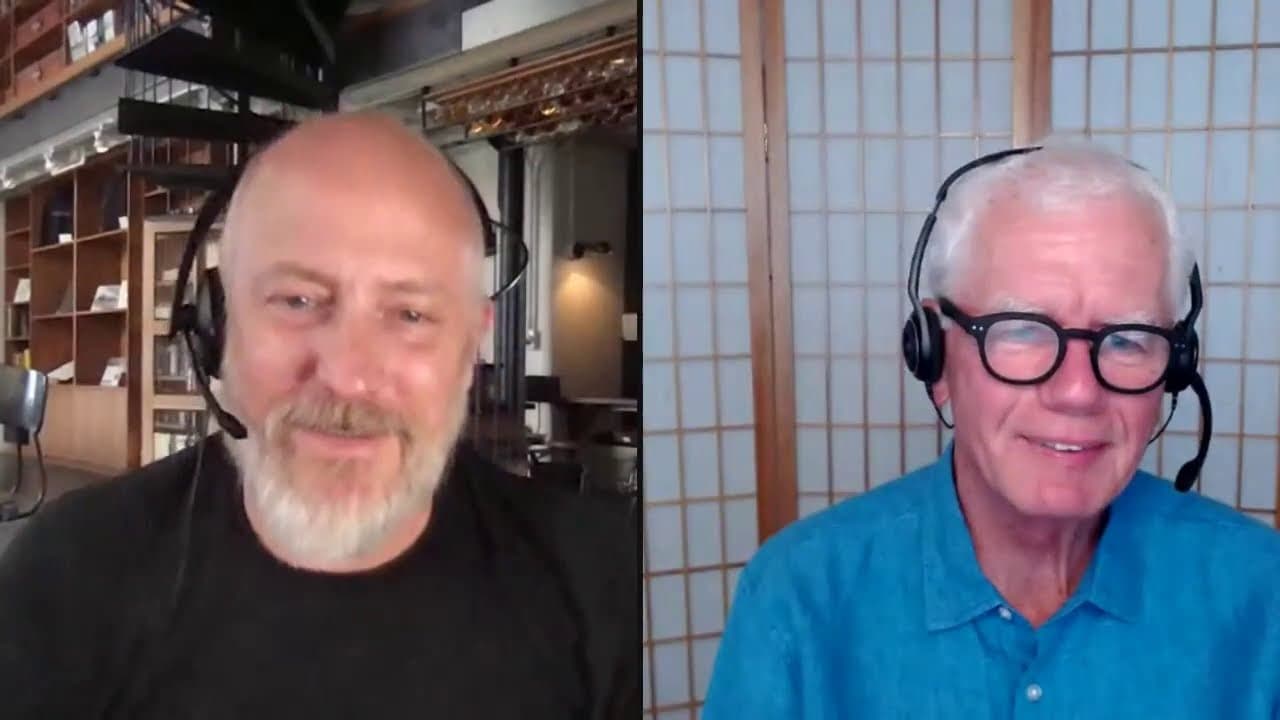
Frank Ostaseski discusses the difficulties of caring for dying patients during the pandemic, with many individuals passing away without their loved ones by their side.
-
He highlights the importance of recognizing the kindness and compassion exhibited by healthcare providers, even in overworked and emergency situations.
-
Normalizing death itself is important, but it is crucial to avoid normalizing the suffering and overlook the individual experiences of those going through it.
Read in Other Languages (beta)
Share This Summary 📚
Summarize YouTube Videos and Get Video Transcripts with 1-Click
Try YouTube Summary with ChatGPT & Claude or YouTube Transcript Generator
Explore More Summaries from Long Now Seminars 📚



Summarize YouTube Videos and Get Video Transcripts with 1-Click
Try YouTube Summary with ChatGPT & Claude or YouTube Transcript Generator