Top Social Etiquette in Portugal 🇵🇹
TL;DR
Learn key social etiquette tips for adapting to Portuguese culture.
Transcript
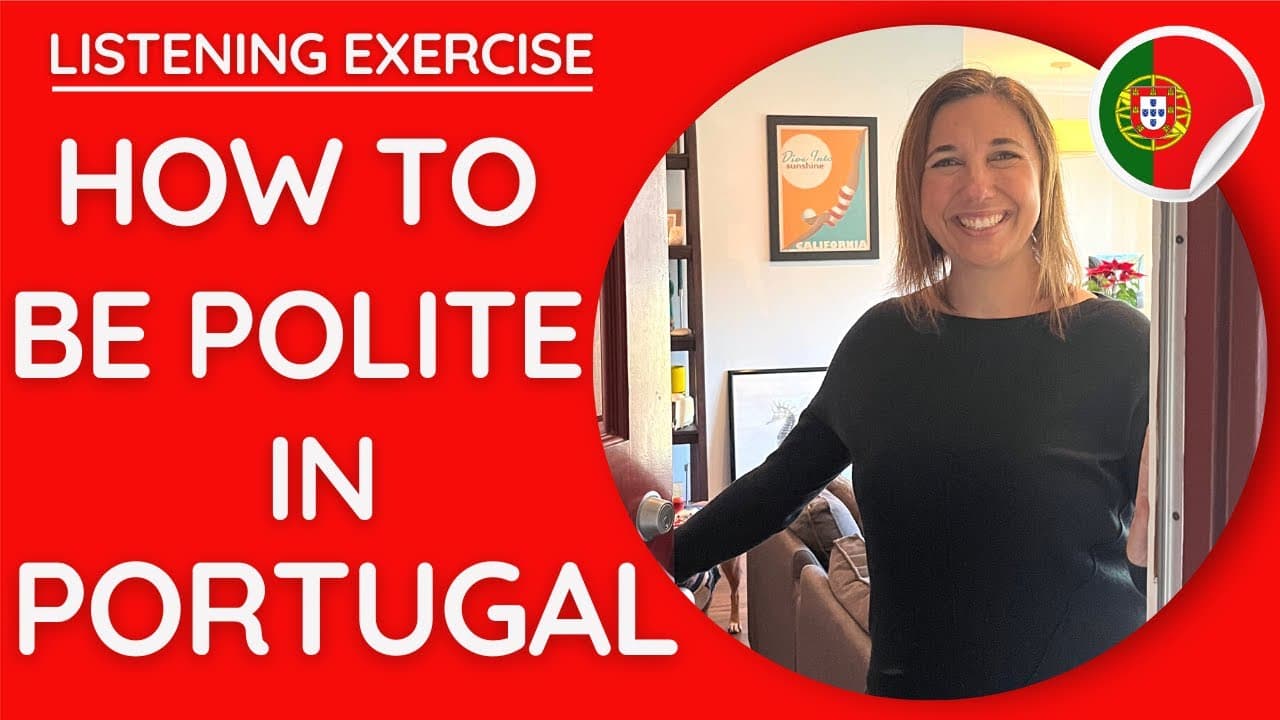
Hello everyone! This week, the video will be all in Portuguese so you can practice listening comprehension. I will speak about Portuguese culture and Portuguese habits so you can understand a little better the Portuguese way of being. As you know, many foreigners are living in Portugal now and they live normal everyday situations without knowing th... Read More
Key Insights
- In Portugal, priority is given to people with disabilities, pregnant women, people with lap children, and the elderly, especially in queues at public places like supermarkets and public transportation.
- Portuguese homes are reserved for close family and friends, and guests are often welcomed with small plates and gifts, with hosts appreciating thoughtful presents like wine or plants.
- Dining in Portugal is a leisurely experience, with an emphasis on taking time to enjoy meals without being rushed. Waiters do not bring the bill until asked by the customer.
- Portuguese people have a relaxed approach to time management, often taking longer to respond to invitations and emails, and they prefer not to be disturbed early on weekend mornings.
- Politeness and friendliness are highly valued in Portugal, and using Portuguese phrases to greet and communicate is appreciated, even though many Portuguese speak English well.
- Gift-giving etiquette in Portugal involves opening presents in front of the giver to show appreciation, and thank you cards are not customary as gratitude is expressed in person.
- Respect for the elderly is significant in Portuguese culture, with grandparents playing vital roles in family life. Formal language is used when addressing older individuals as a sign of respect.
- Coffee culture in Portugal revolves around espresso, typically enjoyed while sitting and socializing, rather than as a takeaway beverage.
Install to Summarize YouTube Videos and Get Transcripts
Explore YouTube Video Summarizer or Get YouTube Transcript Extractor
Questions & Answers
Q: What is the etiquette for giving priority in public spaces in Portugal?
In Portugal, it is important to give priority to people with disabilities, pregnant women, people with lap children, and the elderly in public spaces like supermarkets and public transportation. This is not only a courteous gesture but also a legal requirement, and there are often designated priority lines in larger supermarkets.
Q: How do Portuguese people typically host guests at home?
When hosting guests at home, Portuguese people prefer to offer small plates and appreciate when guests bring thoughtful gifts like culinary specialties, wine, or plants. It is customary to accompany guests to the door when they leave and engage in a brief conversation before saying goodbye.
Q: What is the dining etiquette in Portuguese restaurants?
Dining in Portuguese restaurants is a leisurely affair, where meals are enjoyed without hurry. The waiter will not bring the bill to the table until the customer requests it, as it is considered impolite to rush diners. There is generally no time limit for occupying a table.
Q: How do Portuguese people generally manage time?
Portuguese people have a more relaxed approach to time management compared to cultures like the U.S. They take longer to respond to invitations and emails, and it is not customary to call someone early in the morning on weekends, as they prefer to rest and sleep in.
Q: What is the significance of politeness in Portuguese culture?
Politeness and friendliness are highly valued in Portuguese culture. Using Portuguese phrases and vocabulary is appreciated, even though many Portuguese speak English well. This shows respect and effort in engaging with the culture, and such gestures are warmly received.
Q: What are the customs around gift-giving in Portugal?
In Portugal, it is customary to open gifts in front of the giver to show appreciation and share the moment. Unlike in the U.S., thank you cards are not commonly used, as gratitude is usually expressed in person. This applies to children as well during occasions like birthdays.
Q: How are the elderly treated in Portuguese culture?
The elderly hold a significant place in Portuguese culture, with grandparents often playing crucial roles in family life. There is a formal respect shown towards older individuals, using formal titles and language, and maintaining a close, affectionate relationship with them.
Q: What is unique about coffee culture in Portugal?
Coffee culture in Portugal is centered around espresso, often enjoyed while sitting and socializing, rather than as a takeaway drink. It is common to see people enjoying their espresso at a café, sometimes standing at the counter, but not typically on the go with a takeaway cup.
Summary & Key Takeaways
-
The video provides an overview of Portuguese social etiquette, highlighting the importance of respecting priority rules in public spaces and the cultural nuances of hosting and dining. It emphasizes the relaxed pace of life in Portugal, where time management differs from more hurried cultures.
-
Viewers learn about the value of politeness and the use of Portuguese language in everyday interactions, as well as the customs surrounding gift-giving and the strong familial bonds, particularly with the elderly, who are treated with formal respect.
-
Coffee is a cherished part of Portuguese culture, with espresso being the preferred choice enjoyed in a social setting. The video encourages understanding these cultural aspects to better integrate and adapt to life in Portugal.
Read in Other Languages (beta)
Share This Summary 📚
Summarize YouTube Videos and Get Video Transcripts with 1-Click
Try YouTube Summary with ChatGPT & Claude or YouTube Transcript Generator
Explore More Summaries from Learn European Portuguese Online 📚




Summarize YouTube Videos and Get Video Transcripts with 1-Click
Try YouTube Summary with ChatGPT & Claude or YouTube Transcript Generator