3 Tips for International Websites
TL;DR
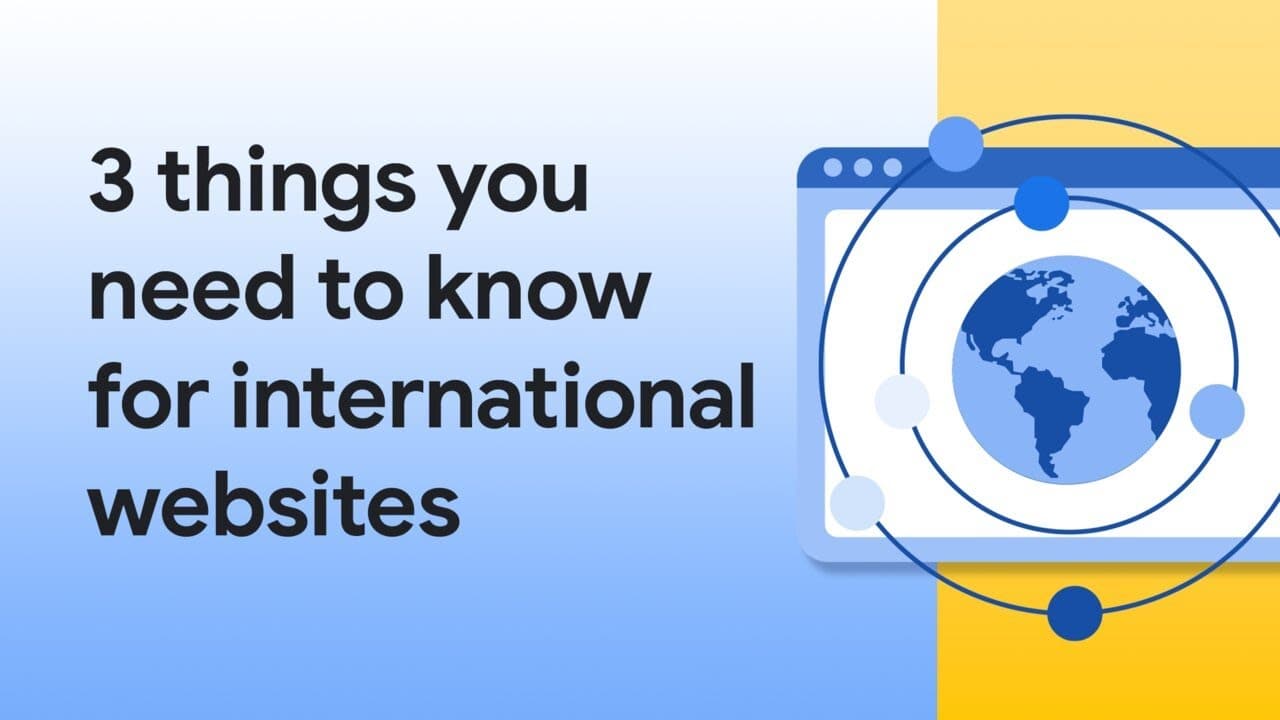
Learn three key strategies for optimizing international websites.
Transcript
MARLIN SPLITT: First things first, make sure the attributes are valid. Use valid language country code variations, and then make sure that all variations link to each other. Last but not least, make sure to also include a self-referential link. For example, this German page references itself along with the English and Japanese versions. [MUSIC PLAY... Read More
Key Insights
- International websites should use valid language and country code variations, ensuring all versions link to each other, including self-referential links.
- Local top-level domains, subdomains, or subdirectories are recommended for setting up international sites, each with its own advantages and challenges.
- Hreflang tags, HTTP headers, or XML sitemaps are crucial for linking different versions of a page for various countries to improve search engine visibility.
- Hreflang attributes must be valid, with all variations interlinked and self-referential links included for optimal functionality.
- Users should be informed about different language or country versions, avoiding forced redirections, to enhance user experience and search engine discovery.
- Focus on the most relevant locales and countries for internationalization, ensuring high-quality, useful content tailored to each audience.
- Overextending with internationalization can lead to subpar translations; prioritize quality and user experience across language variations.
- Google's documentation provides further resources on multilingual websites, aiding in the effective management of international SEO strategies.
Install to Summarize YouTube Videos and Get Transcripts
Explore YouTube Video Summarizer or Get YouTube Transcript Extractor
Questions & Answers
Q: What is the first tip for internationalizing a website?
The first tip is to think about the right way to set up your site for internationalization. Splitt recommends using local top-level domains, subdomains, or subdirectories, each with its own pros and cons. This decision should be made carefully based on what works best for your specific case.
Q: How should hreflang be implemented for international websites?
Hreflang can be implemented via HTML tags, HTTP headers, or in an XML sitemap. It helps search engines link different versions of a page for different countries, ensuring the right version is shown to searchers. Valid attributes and interlinking all variations, including self-referential links, are crucial.
Q: Why is it important not to forcefully redirect users to a specific language version?
Forcing users to a specific language version can negatively impact user experience. Instead, linking to different language or country versions gives users a choice, enhancing their experience. It also helps search engines like Googlebot discover these versions, improving site visibility and accessibility.
Q: What is Splitt's bonus tip regarding internationalization?
Splitt's bonus tip is not to overdo internationalization. Focus on the locales and countries that matter most and can be properly supported. Instead of providing poorly translated pages, ensure the content is useful and provides a great experience for different audiences in each language variation.
Q: What are the potential challenges of using local top-level domains for international sites?
Using local top-level domains can provide clear geographical targeting but may involve higher costs and management complexity. It requires maintaining separate sites for each domain, which can be resource-intensive. The choice should be based on the specific needs and capabilities of the website owner.
Q: How does using hreflang benefit search engine optimization?
Hreflang tags help search engines understand the language and regional targeting of web pages, ensuring the correct version is displayed to users in search results. This improves relevance and user experience, potentially increasing traffic and engagement from international audiences by showing the most appropriate content.
Q: Why is it important to have self-referential links in hreflang implementation?
Self-referential links in hreflang implementation confirm to search engines that the page itself is the correct version for its specified language and region. This reduces confusion, ensures proper indexing, and strengthens the site's structure, enhancing search engine optimization and user experience.
Q: What resources does Google offer for learning more about multilingual websites?
Google offers comprehensive documentation on multilingual websites, providing detailed guidance on implementing internationalization strategies effectively. These resources cover topics like hreflang, site structure, and best practices for optimizing websites for diverse language and regional audiences, helping site owners improve their global reach and SEO performance.
Summary & Key Takeaways
-
Martin Splitt from Google Search Central provides three essential tips for internationalizing websites effectively. He emphasizes the importance of valid language codes, interlinking site versions, and using hreflang tags. Additionally, Splitt advises against overextending international efforts to ensure quality content and user experience.
-
To optimize international websites, Splitt suggests using local top-level domains, subdomains, or subdirectories. He stresses the need for valid hreflang implementation and self-referential links. Users should have a choice of language versions, and Googlebot will discover these through proper linking.
-
Splitt's secret bonus tip is to focus on the most relevant locales and avoid overextending with internationalization. Quality content and user experience are paramount. He encourages viewers to explore Google's documentation for more insights and to provide feedback for future content.
Read in Other Languages (beta)
Share This Summary 📚
Summarize YouTube Videos and Get Video Transcripts with 1-Click
Try YouTube Summary with ChatGPT & Claude or YouTube Transcript Generator
Explore More Summaries from Google Search Central 📚




Summarize YouTube Videos and Get Video Transcripts with 1-Click
Try YouTube Summary with ChatGPT & Claude or YouTube Transcript Generator