How is Money Created and Who Benefits from It?
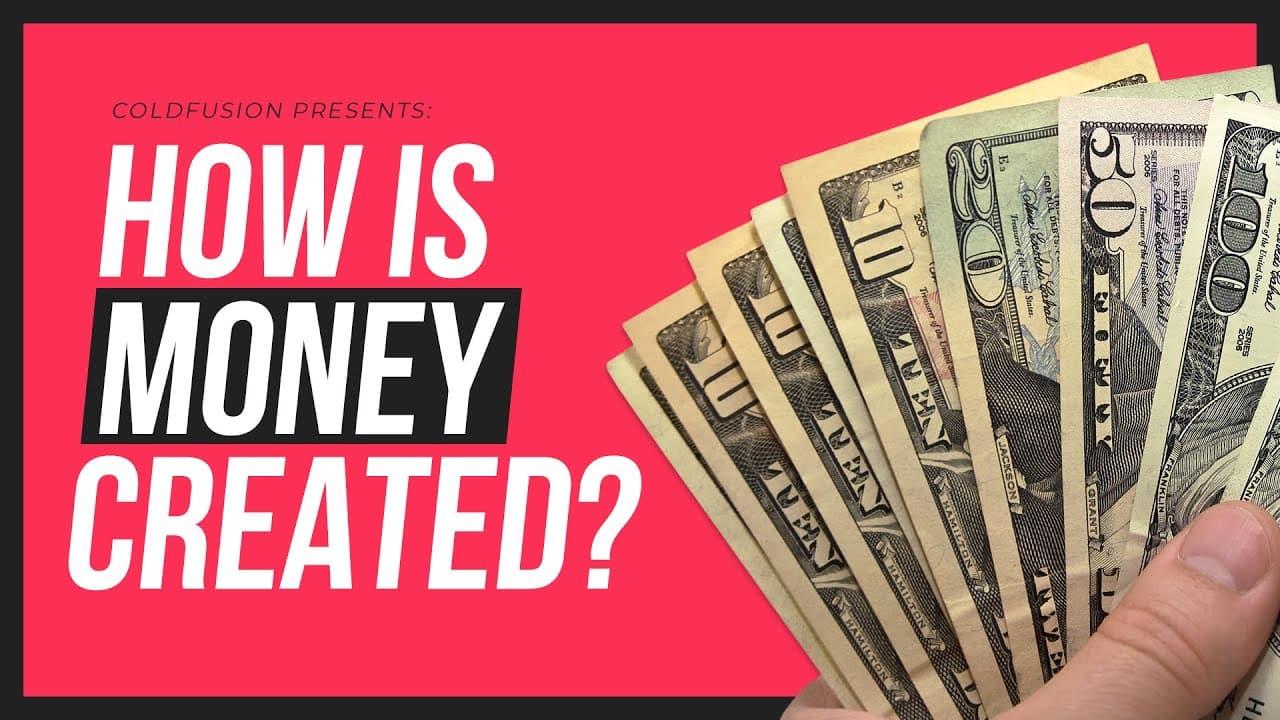
TL;DR
Money is created in three main ways: through physical currency produced by governments, via debt-based loans from private banks, and through quantitative easing by central banks. While governments create physical money for bank obligations, private banks generate the majority of money digitally through loans, leading to potential wealth inequality and economic instability. Central banks can print money to stimulate the economy, but this practice can inflate their balance sheets and disconnect the stock market from the real economy.
Transcript
this episode is a more detailed follow-up to my 2017 video who controls all of our money I'm going to focus on the United States in this video only because they're the world reserve currency but everything in this video affects all of us because the central banks around the world are all doing the same thing with that being said let's begin around ... Read More
Key Insights
- 💵 Money creation involves governments, private banks, and central banks, each playing a distinct role in the process.
- 🤑 Excessive money printing can lead to inflation and devaluation of currency, causing wealth inequality and economic instability.
- 💵 Private banks create the majority of money through debt-based loans, which can contribute to market distortions and economic downturns.
- 💵 Central banks, through quantitative easing, can create money to stimulate the economy but also inflate the central bank balance sheet and disconnect the stock market from the real economy.
- 🌸 The current monetary system is fragile, with potential consequences such as stagflation, loss of faith in the US dollar, and social unrest.
- 💁 Individuals may consider diversifying their assets outside of debt-based investments, such as gold or cryptocurrencies, as a form of insurance.
Install to Summarize YouTube Videos and Get Transcripts
Explore YouTube Video Summarizer or Get YouTube Transcript Extractor
Questions & Answers
Q: How is physical money created by the government?
Physical money is created by the government and outsourced to the central bank or Royal Mint. It is made up of coins and paper currency, representing a small fraction of the economy.
Q: Why don't governments create more physical money?
Governments do not create the majority of money because of the risk of inflation. Excessive printing of money can devalue the currency and lead to economic instability.
Q: How do private banks create money through loans?
When a bank issues a loan, they create money digitally by typing numbers into a computer. This allows them to lend out more money than they actually have in deposits.
Q: What is quantitative easing and how does it work?
Quantitative easing is a method used by central banks to create money and issue loans directly to banks, corporations, and the public. This is done to stimulate the economy during times of crisis.
Key Insights:
- Money creation involves governments, private banks, and central banks, each playing a distinct role in the process.
- Excessive money printing can lead to inflation and devaluation of currency, causing wealth inequality and economic instability.
- Private banks create the majority of money through debt-based loans, which can contribute to market distortions and economic downturns.
- Central banks, through quantitative easing, can create money to stimulate the economy but also inflate the central bank balance sheet and disconnect the stock market from the real economy.
- The current monetary system is fragile, with potential consequences such as stagflation, loss of faith in the US dollar, and social unrest.
- Individuals may consider diversifying their assets outside of debt-based investments, such as gold or cryptocurrencies, as a form of insurance.
- The monetary system requires reform and innovation to address the underlying issues of wealth inequality and fragility.
Summary & Key Takeaways
-
Money is created in three ways: by governments through physical money (coins and paper currency), by private banks through debt-based loans, and by central banks through quantitative easing.
-
Governments create physical money to meet the obligations of private banks and make a profit from it. However, excessive printing of money can lead to inflation and the devaluation of currency.
-
Private banks create the majority of money through loans, which are essentially debt. This money is digital and created through a double accounting system. Banks can spend and gamble with consumer deposits, leading to market distortions and the potential for economic downturns.
-
Central banks create money through quantitative easing, in which they issue loans directly to banks, corporations, and the public. This can lead to a bloated central bank balance sheet and a disconnect between the stock market and the real economy.
Read in Other Languages (beta)
Share This Summary 📚
Summarize YouTube Videos and Get Video Transcripts with 1-Click
Try YouTube Summary with ChatGPT & Claude or YouTube Transcript Generator
Explore More Summaries from ColdFusion 📚
![How This Man Just Caused a $45 BILLION Crash [Terra Luna] thumbnail](/_next/image?url=https%3A%2F%2Fi.ytimg.com%2Fvi%2F3KZY41SqaTI%2Fhqdefault.jpg&w=750&q=75)



Summarize YouTube Videos and Get Video Transcripts with 1-Click
Try YouTube Summary with ChatGPT & Claude or YouTube Transcript Generator