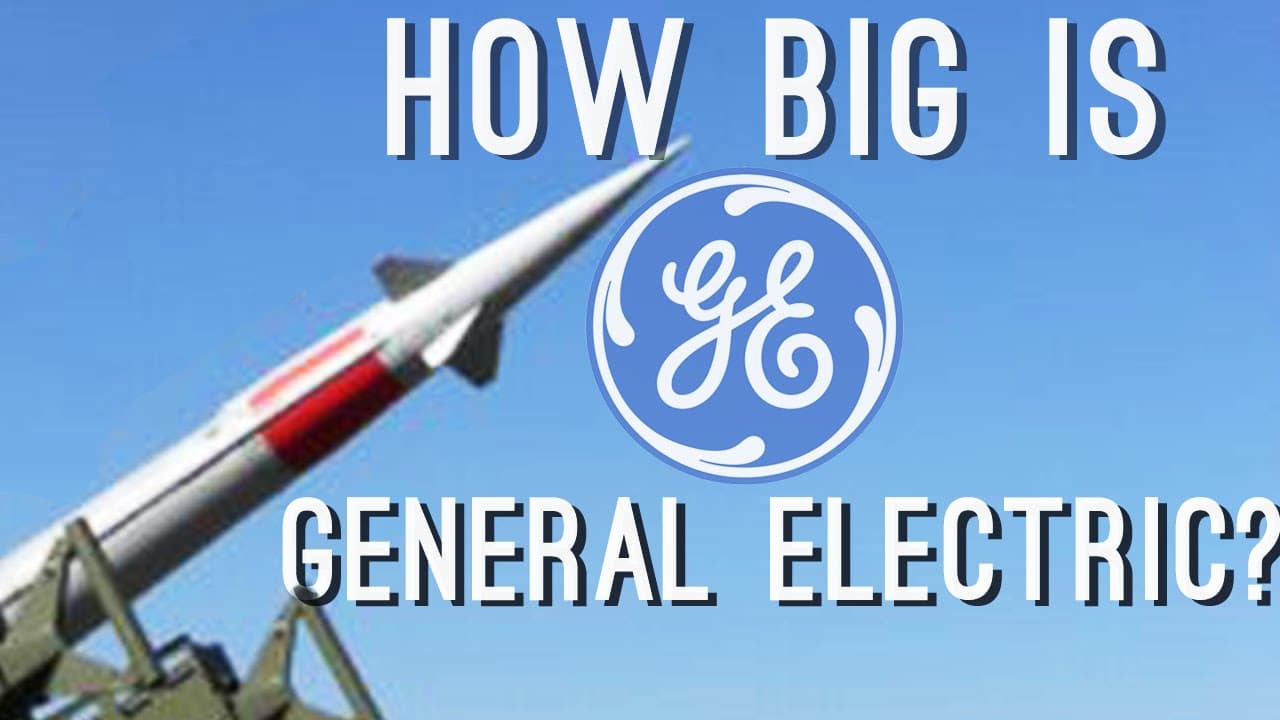
How Big Is General Electric and Its Hidden History?
TL;DR
General Electric (GE) is a massive multinational conglomerate founded by Thomas Edison, involved in diverse sectors like energy, aviation, and healthcare. Despite its innovations, GE has a controversial history, notably its involvement in nuclear weapons production during the 1980s. Today, GE remains a major player in various industries, although it no longer manufactures weapons.
Transcript
you are watching cold fusion TV hi welcome to another cold fusion video General Electric one of the largest and well-known multinational conglomerates from medicine and Aviation to energy and kitchen appliances it's safe to say that they do a fair bit but how did the company begin and just how big is it and what about the deeper story are there any... Read More
Key Insights
- General Electric was founded by Thomas Edison in 1889 with the help of JP Morgan.
- GE was one of the first 12 companies listed on the Dow Jones Industrial Average.
- The company expanded into various sectors, including energy, aviation, and healthcare.
- GE's largest revenue segment is finance, accounting for 31% of its income.
- In the 1980s, GE was heavily involved in nuclear weapons production.
- A boycott in the 1980s led GE to exit the nuclear weapons business by 1993.
- GE's involvement in military contracts during the Gulf War raised ethical concerns.
- In 2013, GE sold NBC to Comcast, reducing its media influence.
Install to Summarize YouTube Videos and Get Transcripts
Explore YouTube Video Summarizer or Get YouTube Transcript Extractor
Questions & Answers
Q: How did General Electric start?
General Electric (GE) was founded by Thomas Edison in 1889 when he merged several businesses into one corporation with the help of financier JP Morgan. GE was one of the first companies listed on the Dow Jones Industrial Average and has since grown into a multinational conglomerate with interests in various sectors.
Q: What is General Electric's largest revenue segment?
General Electric's largest revenue segment is finance, which accounts for 31% of its total income. This segment includes personal loans, credit cards, and energy-related financial services, making GE a significant player in the financial markets, comparable to major banks like JP Morgan Chase and Bank of America.
Q: What was GE's involvement in nuclear weapons production?
During the 1980s, General Electric produced parts for major nuclear weapon systems and promoted nuclear weapons to the government. This involvement led to a boycott campaign against GE, which ultimately resulted in the company exiting the nuclear weapons business by 1993, citing a business decision.
Q: How did public pressure affect GE's business practices?
Public pressure, particularly through a boycott campaign in the 1980s, significantly impacted GE's business practices. The campaign led to GE spending more on brand advertising to defend its image and ultimately exiting the nuclear weapons business by 1993. The boycott demonstrated the power of public activism in influencing corporate behavior.
Q: What ethical challenges has GE faced in its history?
GE has faced several ethical challenges, including its involvement in nuclear weapons production and military contracts during the Gulf War. The company's ownership of NBC also raised concerns about media influence and conflicts of interest. In 2013, GE sold NBC to Comcast, reducing its media influence and potential conflicts.
Q: What industries does General Electric operate in today?
Today, General Electric operates in various industries, including energy, aviation, healthcare, and financial services. The company is involved in producing gas and wind turbines, aviation engines, medical imaging equipment, and providing financial services. GE remains a major player in these sectors, despite its controversial past.
Q: How significant is GE's role in the defense industry?
GE is one of the US government's biggest defense contractors, primarily involved in engine manufacturing for military applications. Although the company no longer manufactures weapons, its historical involvement in military contracts, particularly during the Gulf War, raised ethical concerns about its role in the defense industry.
Q: What changes occurred after GE sold NBC to Comcast?
After GE sold NBC to Comcast in 2013, the company's media influence and potential conflicts of interest were reduced. This sale marked a shift in GE's business strategy, allowing the company to focus more on its core industrial and financial operations, while Comcast assumed control of the media network.
Summary & Key Takeaways
-
General Electric, founded by Thomas Edison in 1889, has grown into a global conglomerate with interests in energy, aviation, and healthcare. Despite its innovations, GE's history includes controversial involvement in nuclear weapons production during the 1980s. The company exited this business in 1993 following public pressure.
-
GE's largest revenue source is its financial services segment, which includes personal loans, credit cards, and energy-related financial services. Its power and water segment, which includes gas and wind turbines, is the second-largest revenue source. GE's diverse operations make it a significant player in various industries.
-
Throughout its history, GE has faced ethical challenges, notably its involvement in military contracts and media influence. In 2013, GE sold NBC to Comcast, reducing potential conflicts of interest. Today, GE remains a major defense contractor but no longer manufactures weapons, focusing instead on engine production.
Read in Other Languages (beta)
Share This Summary 📚
Summarize YouTube Videos and Get Video Transcripts with 1-Click
Try YouTube Summary with ChatGPT & Claude or YouTube Transcript Generator
Explore More Summaries from ColdFusion 📚





Summarize YouTube Videos and Get Video Transcripts with 1-Click
Try YouTube Summary with ChatGPT & Claude or YouTube Transcript Generator