How to Build a Full Stack Idea Voting App with Vue and Express
TL;DR
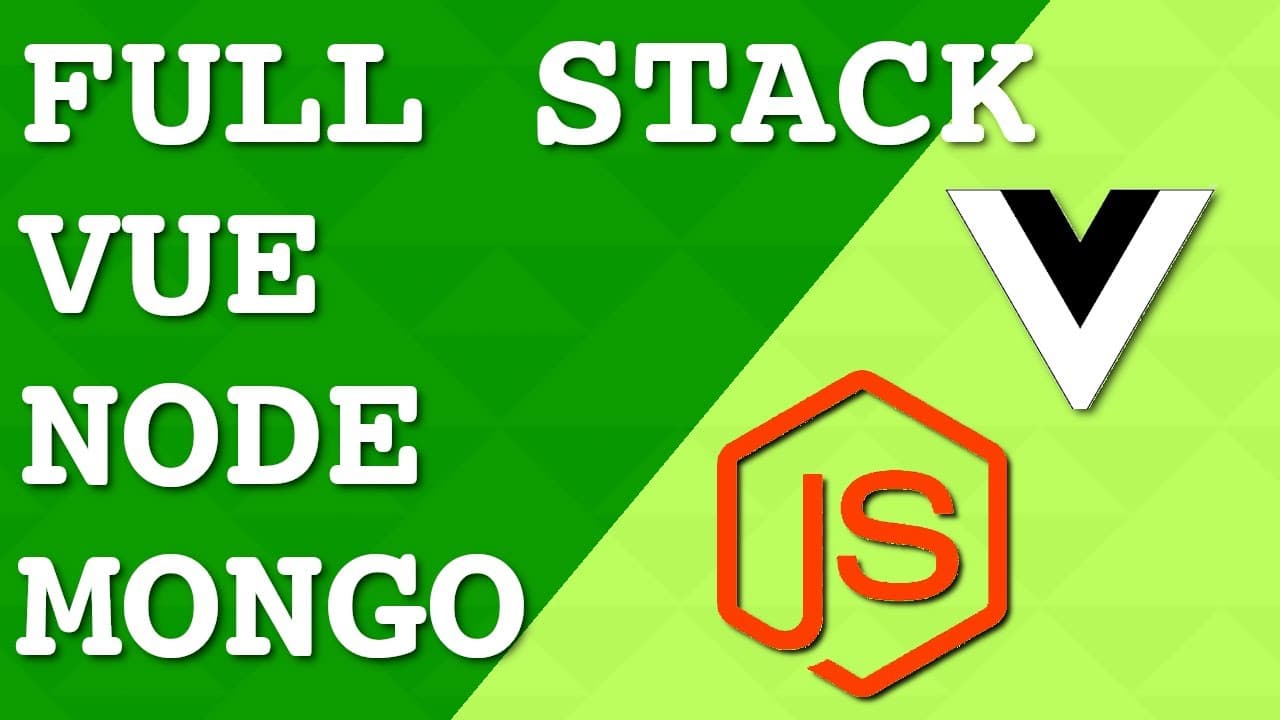
To build a full stack idea voting app, use Vue.js for the front end, Express for the back end, and MongoDB for data storage. The app allows users to submit video ideas and vote on them without authentication, making it easy to manage and display user-generated content in real-time.
Transcript
all right how's it going everyone we are going to be doing another live coding video and in this one I'm going to be building you I'm going to try to build you a full stack app using view JSON the front end Express on the back end in MongoDB as a datastore um and the the app I want to kind of build for you all is I want to make a web page or web ap... Read More
Key Insights
- ❤️🩹 Full stack applications can be efficiently built with Vue.js, offering a reactive front end and seamless user experiences.
- 👨💻 Structuring code into services and using consistent API patterns enhances maintainability and reduces complexity.
- 👤 User-generated content should be monitored to prevent abuse, suggesting the need for robust validation mechanisms.
- 👨💻 Using tools like Axios simplifies API interaction and improves code readability in JavaScript applications.
- 😀 Simplistic app features can lead to a rich user experience, even without complex authentication systems.
- ❓ Leveraging frameworks like Express and MongoDB accelerates backend development and provides robust data storage solutions.
- 👨💻 The iterative building and debugging process is critical in live coding sessions, emphasizing real-life coding challenges developers face.
Install to Summarize YouTube Videos and Get Transcripts
Explore YouTube Video Summarizer or Get YouTube Transcript Extractor
Questions & Answers
Q: What technologies are used to create the full stack app in the video?
The app utilizes Vue.js for the front end, allowing for a reactive user interface, Express.js as the server-side framework to handle requests, and MongoDB for storing user-submitted video ideas. This combination enables a seamless integration of client and server-side logic.
Q: How does the app handle the submission of ideas?
Users can submit their video ideas through a simple text area in the app. On submission, the idea is sent to the server using an API endpoint, which saves it to the MongoDB database. This process occurs without user authentication, allowing for broader participation.
Q: What safeguards are in place to manage user input effectively?
While the presenter expressed concerns about potential spam or bogus submissions, the application does not currently include any authentication or validation features. This makes it susceptible to misuse, but the designer hopes to implement future measures to handle such issues.
Q: How does the app allow users to engage with the ideas submitted?
Users can engage by upvoting or downvoting each idea. The application manages these interactions through specific API endpoints that update the vote counts in the MongoDB database, allowing users to influence the visibility of ideas within the app.
Q: What steps are taken to improve the application's architecture?
Throughout the video, the presenter emphasizes refactoring the code for readability and maintainability. This includes organizing service calls into separate files, implementing a clearer structure for handling API requests, and considering best practices for state management.
Q: How is data persisted and retrieved from the database?
Data is persisted in the MongoDB database using Express.js routes that define POST and GET endpoints. When a user submits an idea, a POST request is made to save the idea, and a GET request retrieves all ideas to display them in the app, ensuring the data remains consistent.
Q: What improvements does the presenter plan to implement?
Future improvements may include enhancing the user interface using a CSS framework, adding user authentication for submissions, and optimizing the backend code architecture to better separate business logic from the API handling processes.
Summary & Key Takeaways
-
The video tutorial showcases building a full stack application that allows users to submit and vote on video ideas using Vue.js on the front end, Express for the back end, and MongoDB as the database.
-
Key features include user submission of ideas without authentication, the ability to upvote or downvote, and dynamic updates of ideas using real-time data fetching from the server.
-
The presenter walks viewers through the project step-by-step, explaining the code structure and logic while emphasizing best practices in full stack development.
Read in Other Languages (beta)
Share This Summary 📚
Summarize YouTube Videos and Get Video Transcripts with 1-Click
Try YouTube Summary with ChatGPT & Claude or YouTube Transcript Generator
Explore More Summaries from Web Dev Cody 📚
Summarize YouTube Videos and Get Video Transcripts with 1-Click
Try YouTube Summary with ChatGPT & Claude or YouTube Transcript Generator