How to Clone a Mammoth: Is It Possible?
TL;DR
Cloning a mammoth is currently impossible due to the rapid degradation of DNA in ancient remains. However, scientists are exploring genetic engineering techniques, such as CRISPR, to create mammoth-like traits in Asian elephants, paving the way for a potential future where elements of mammoth biology could be restored.
Transcript
good evening I'm Stuart brands from the long now foundation and the long now is usually described as last ten thousand years in the next 10,000 years civilizations stories how we refer to it but it's not the live only long in our round it's not the longest now around the woolly mammoth separated off from Asian elephant other mammoth type creatures ... Read More
Key Insights
- 🌀 DNA degradation in ancient remains poses challenges for cloning extinct species, but sequencing and editing genomes offer alternative methods.
- ↩️ Ecological resurrection, or the return of extinct species to their former habitats, can restore and maintain biodiversity.
- ❓ Genetic modification can enhance the genetic diversity and resilience of endangered species, assisting in conservation efforts.
- 🏚️ The use of genetic engineering in de-extinction requires careful consideration of ethical, ecological, and technical issues.
Install to Summarize YouTube Videos and Get Transcripts
Explore YouTube Video Summarizer or Get YouTube Transcript Extractor
Questions & Answers
Q: Can mammoths be cloned using current technology?
No, cloning mammoths is not currently possible due to the degradation of DNA in ancient remains. However, genetic engineering using CRISPR technology is being explored as an alternative method.
Q: How can ancient DNA be sequenced and used for genetic engineering?
Ancient DNA can be extracted from well-preserved remains and sequenced. By comparing the genome sequences of extinct species with closely related living species, specific genes and traits can be identified for potential editing and manipulation.
Q: What are the ethical concerns surrounding de-extinction?
Ethical considerations arise at every step of the de-extinction process, from finding appropriate surrogate hosts to addressing the habitat and social needs of the revived species. The long-term impact on ecosystems and the reasons for bringing back extinct species must also be carefully considered.
Q: Is genetic modification a faster and more precise method than traditional breeding?
Genetic modification allows for direct and precise changes in an organism's genome, while traditional breeding relies on natural selection over generations. However, unintended consequences and the complex interactions within the genome and environment must be taken into account.
Summary & Key Takeaways
-
The Long Now Foundation is interested in bringing back extinct species through cloning and genetic engineering.
-
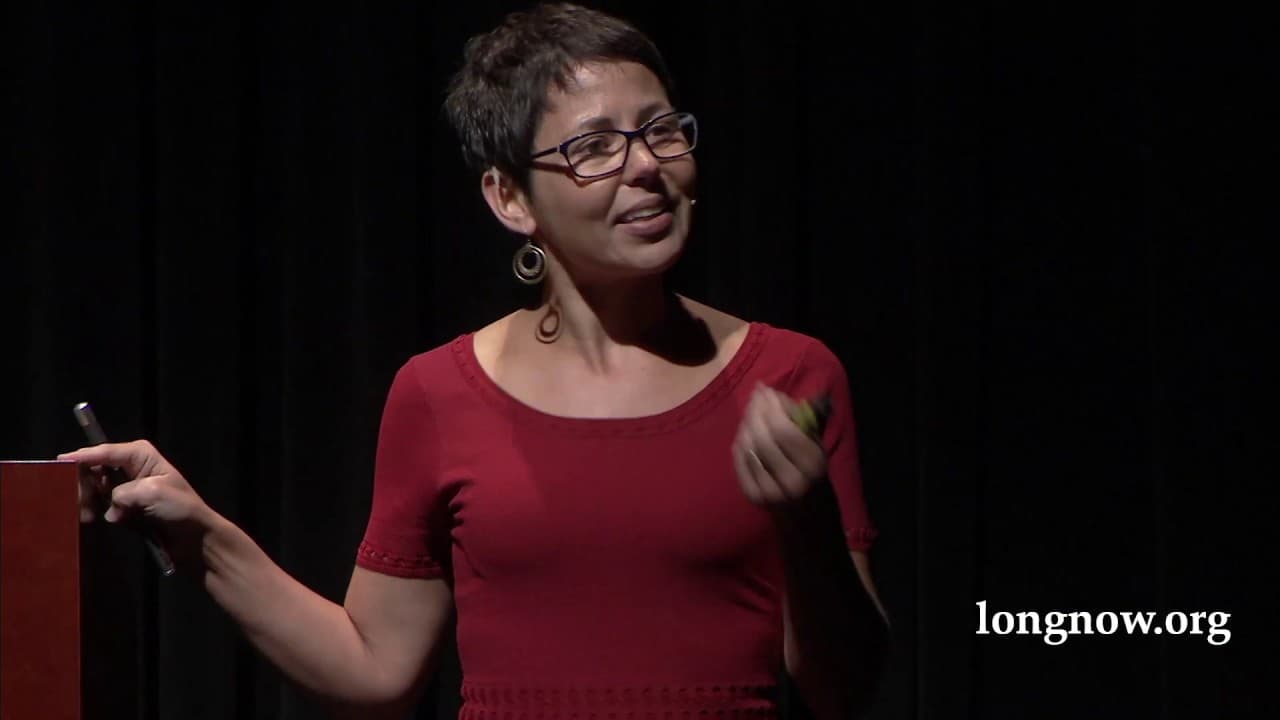
Beth Shapiro, a biologist, discusses the various methods and challenges involved in the de-extinction process, using mammoths as an example.
-
While cloning is currently not possible due to the degradation of DNA in ancient remains, sequencing and editing genomes provide possibilities for genetic engineering.
Read in Other Languages (beta)
Share This Summary 📚
Summarize YouTube Videos and Get Video Transcripts with 1-Click
Try YouTube Summary with ChatGPT & Claude or YouTube Transcript Generator
Explore More Summaries from Long Now Seminars 📚





Summarize YouTube Videos and Get Video Transcripts with 1-Click
Try YouTube Summary with ChatGPT & Claude or YouTube Transcript Generator