Inflation Is Driving Secondhand Markets Out Of Control, Here’s Why | Economics Explained
TL;DR
Luxury items defy traditional market dynamics through scarcity and exclusivity.
Transcript
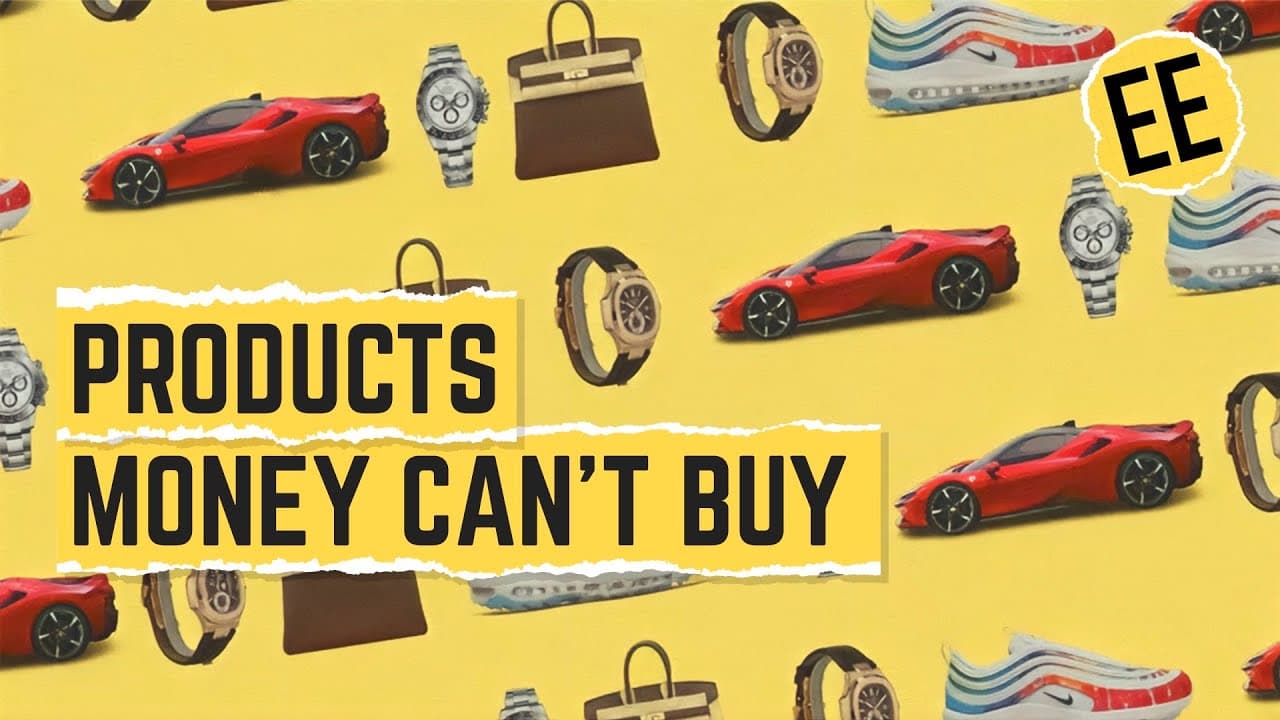
Let’s give all of you watching some homework. This is a Rolex Daytona, or more specifically a Rolex Daytona 116500 Lunette Noir, which I do realize saying out loud makes it sound like a piece of French agricultural equipment, so most people just call it the Panda. Pretty cute, right? Anyway, the homework… I want to play a little game, I want yo... Read More
Key Insights
- Luxury items like Rolex watches and designer handbags maintain high demand and resale value due to their scarcity and exclusivity.
- These goods are often sold through authorized dealers who act as intermediaries between manufacturers and consumers.
- Manufacturers maintain the allure of luxury items by controlling supply and preventing direct sales to consumers.
- Luxury goods are often viewed as investments due to their potential resale value, despite their initial high cost.
- The market for luxury items operates more like an auction, where consumers bid with additional purchases rather than cash.
- Dealers leverage rare items to build relationships with wealthy clients, encouraging bulk purchases of less popular items.
- Luxury brands discourage reselling to maintain brand integrity and exclusivity, occasionally enforcing contractual restrictions.
- The market dynamics of luxury goods could potentially influence other markets, including consumer electronics.
Install to Summarize YouTube Videos and Get Transcripts
Explore YouTube Video Summarizer or Get YouTube Transcript Extractor
Questions & Answers
Q: Why are luxury items like Rolex watches difficult to purchase at retail price?
Luxury items like Rolex watches are difficult to purchase at retail price due to their limited supply and high demand. Manufacturers maintain scarcity to enhance exclusivity and brand allure. Authorized dealers often control sales, leveraging rare items to build relationships with wealthy clients, making direct purchases challenging.
Q: How do authorized dealers influence the luxury goods market?
Authorized dealers influence the luxury goods market by acting as intermediaries between manufacturers and consumers. They control the sale of rare items, using them to build relationships with affluent clients. This encourages bulk purchases of less popular items, ultimately driving sales and maintaining brand exclusivity.
Q: What makes luxury goods attractive as investments?
Luxury goods are attractive as investments due to their potential resale value, often exceeding initial costs. Their scarcity and exclusivity drive demand, allowing owners to sell them at a premium. This perception of investment value encourages purchases, despite the high initial price and the opportunity cost of alternative investments.
Q: How do manufacturers maintain the exclusivity of luxury items?
Manufacturers maintain the exclusivity of luxury items by controlling supply and preventing direct sales to consumers. They limit production, ensuring scarcity, and often sell through authorized dealers. This strategy preserves brand allure and allows manufacturers to discourage reselling, maintaining the perception of luxury and investment value.
Q: What role does consumer perception play in the luxury goods market?
Consumer perception plays a crucial role in the luxury goods market by driving demand through the perceived value of exclusivity and investment potential. Luxury items are seen as status symbols and financial assets, encouraging purchases despite high costs. This perception sustains market dynamics, influencing consumer behavior and brand strategies.
Q: Why do luxury brands discourage reselling of their products?
Luxury brands discourage reselling to maintain brand integrity and exclusivity. Reselling can dilute the perceived value of scarcity, undermining the allure of luxury items. Brands enforce contractual restrictions to prevent reselling, ensuring that their products remain exclusive and desirable, which supports their long-term market positioning.
Q: How do luxury goods markets achieve equilibrium?
Luxury goods markets achieve equilibrium by balancing supply and demand through controlled scarcity and strategic sales practices. Manufacturers price collections rather than individual items, encouraging bulk purchases to access rare items. This creates an auction-like environment where consumers bid with additional purchases, stabilizing market dynamics.
Q: Could the marketing strategies of luxury goods influence other markets?
Yes, the marketing strategies of luxury goods could influence other markets by demonstrating the power of scarcity and exclusivity in driving demand. As seen with luxury items, controlled supply and strategic distribution can enhance brand allure and profitability. This approach could extend to sectors like consumer electronics, altering traditional market dynamics.
Summary & Key Takeaways
-
The video explores how luxury goods like watches and handbags maintain high demand and resale value through scarcity and exclusivity. These items are sold through authorized dealers, creating a unique market dynamic where consumers often buy additional products to access rare items.
-
Luxury goods are perceived as investments due to their potential resale value, despite high initial costs. The market operates like an auction, with dealers leveraging rare items to build relationships with wealthy clients, encouraging bulk purchases of less popular items.
-
Manufacturers maintain the allure of luxury items by controlling supply and discouraging reselling to preserve brand integrity. This market dynamic could potentially influence other sectors, such as consumer electronics, as companies explore similar strategies to boost sales.
Read in Other Languages (beta)
Share This Summary 📚
Summarize YouTube Videos and Get Video Transcripts with 1-Click
Try YouTube Summary with ChatGPT & Claude or YouTube Transcript Generator
Explore More Summaries from Economics Explained 📚




Summarize YouTube Videos and Get Video Transcripts with 1-Click
Try YouTube Summary with ChatGPT & Claude or YouTube Transcript Generator