Boring History For Sleep | How Medieval PEASANTS Survived The Coldest Nights and more
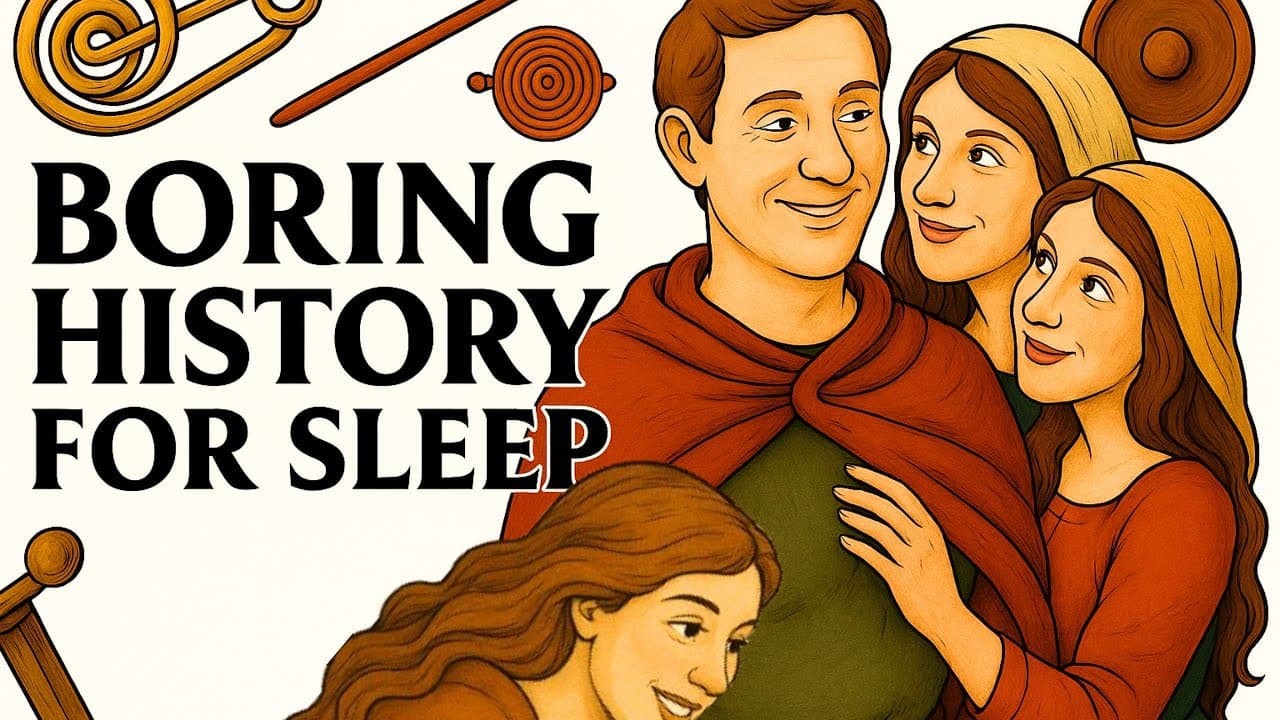
TL;DR
Medieval peasants used ingenuity and community to survive harsh winters.
Transcript
hey guys tonight we begin with the remarkable lives and incredible resilience of medieval peasants the everyday heroes who despite the odds managed to survive some of the coldest and most brutal nights in history from makeshift insulation tricks to communal sleeping strategies their story is one of grit ingenuity and determination so before you get... Read More
Key Insights
- Medieval peasants faced extreme winter conditions with minimal insulation, relying on mud, straw, and animal dung to insulate their homes.
- Communal living was essential for warmth, with entire families and even livestock sharing small spaces to conserve heat.
- Fire maintenance was crucial; peasants banked fires with ash to keep embers alive overnight, avoiding the need for difficult reignition.
- Winter clothing was layered and rarely washed, with accumulated dirt and oils providing additional insulation against the cold.
- Peasants employed creative solutions like heated stones and hayboxes to maintain warmth during cold nights.
- Social and community networks played a vital role in survival, with villages sharing resources and supporting each other during harsh winters.
- Religious faith and rituals provided psychological comfort and a sense of hope during the long, cold months.
- Despite the harsh conditions, medieval peasants demonstrated resilience and adaptability, laying the groundwork for future generations' survival.
Install to Summarize YouTube Videos and Get Transcripts
Explore YouTube Video Summarizer or Get YouTube Transcript Extractor
Questions & Answers
Q: How did medieval peasants insulate their homes against the cold?
Medieval peasants insulated their homes using a combination of mud, straw, and animal dung. These materials were packed into the walls of their homes, creating a barrier against the cold. The dung acted as a cheap and sticky insulator, while straw and mud helped fill gaps and cracks, providing additional protection against drafts.
Q: What role did community play in medieval winter survival?
Community played a crucial role in medieval winter survival. Villages operated as tight-knit communities where resources were shared, and neighbors helped each other. Communal living was common, with families and even livestock sharing small spaces to conserve heat. Villagers also supported each other by sharing food and supplies during harsh winters, ensuring collective survival.
Q: How did medieval peasants maintain their fires overnight?
Medieval peasants maintained their fires overnight by banking them with ash. This involved carefully covering the embers with a layer of ash to insulate them and keep them alive until morning. This technique reduced the need for difficult reignition in the cold morning hours and was essential for maintaining warmth in the home.
Q: Why was clothing rarely washed during medieval winters?
Clothing was rarely washed during medieval winters because the process was labor-intensive and impractical in freezing conditions. Additionally, the accumulated dirt and body oils in the clothing provided extra insulation, helping to trap body heat. This layer of grime acted like a primitive form of weatherproofing, making it a practical, albeit smelly, survival strategy.
Q: What were some creative solutions used for warmth at night?
Medieval peasants used creative solutions like heated stones and hayboxes for warmth at night. Heated stones were placed in the hearth, then wrapped in cloth and placed in beds to provide warmth. Hayboxes were used to keep food warm, and the same principle was applied to stones, with hay insulating the heat and providing a source of warmth throughout the night.
Q: How did religious faith help peasants during winter?
Religious faith provided psychological comfort and hope for medieval peasants during winter. Prayers and rituals were integrated into daily life, offering a sense of divine protection and community solidarity. Faith helped peasants cope with the harsh realities of winter, providing spiritual support and a belief in eventual relief and renewal with the coming of spring.
Q: What was the significance of communal living arrangements?
Communal living arrangements were significant because they maximized body heat and conserved resources. Entire families, along with livestock, shared small living spaces to maintain warmth. This arrangement not only provided physical warmth but also fostered strong social bonds and cooperation, which were essential for survival in the harsh winter environment.
Q: How did medieval peasants demonstrate resilience and adaptability?
Medieval peasants demonstrated resilience and adaptability through their innovative survival strategies and strong community networks. They used available resources creatively, such as insulating homes with natural materials and developing fire maintenance techniques. Their ability to adapt to harsh conditions and support each other laid the foundation for future generations' survival and contributed to the development of resilient communities.
Summary & Key Takeaways
-
Medieval peasants endured harsh winters with minimal resources, using mud and straw for insulation and sharing living spaces with livestock for warmth. Communal living and resourcefulness were vital for survival.
-
Fire management was crucial, with techniques like fire banking to keep embers alive overnight. Clothing was layered and rarely washed, with accumulated grime providing additional insulation.
-
Community support and religious faith played significant roles in coping with winter hardships. Peasants' resilience and ingenuity set the foundation for future generations' survival in harsh conditions.
Read in Other Languages (beta)
Share This Summary 📚
Summarize YouTube Videos and Get Video Transcripts with 1-Click
Try YouTube Summary with ChatGPT & Claude or YouTube Transcript Generator
Explore More Summaries from Sleepless Historian 📚


Summarize YouTube Videos and Get Video Transcripts with 1-Click
Try YouTube Summary with ChatGPT & Claude or YouTube Transcript Generator