Public Lecture - MUSIC: How it can rewire your brain
TL;DR
Music influences brain function through scientific, clinical, and therapeutic perspectives.
Transcript
thank you my name is Bruce Stillman I'm president of the cspring h libr and I want to thank all of you uh quite a remarkable turnout on such a beautiful Sunday afternoon uh for the uh joint C Spring Harbor laboratory and St johnland uh Symposium the uh music is probably one of the most interesting topics for uh for us because I most of us enjoy mus... Read More
Key Insights
- Music is processed in the brain through complex neural circuits, engaging both auditory and reward systems, which are also involved in other pleasurable activities.
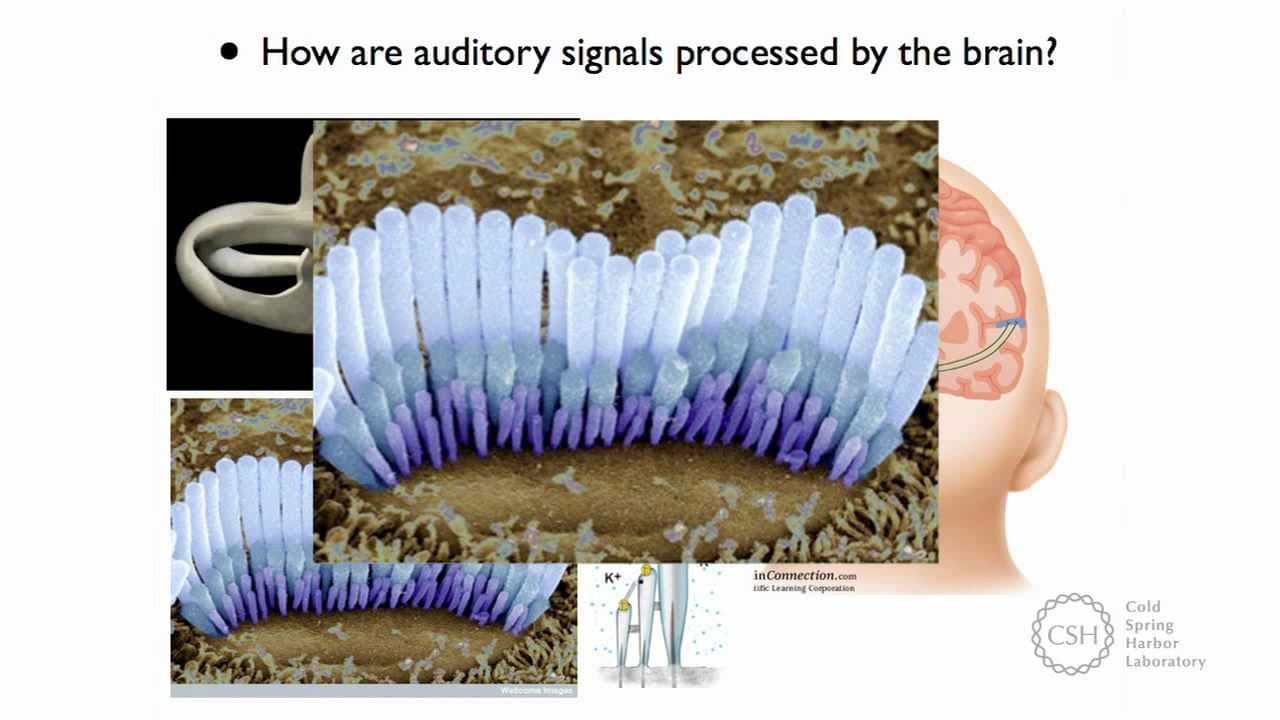
- The auditory system processes sounds rapidly, with musical stimuli activating widespread neural networks, including the cortex and subcortical structures.
- Musical training significantly alters brain responses, with musicians showing distinct neural activity when listening to their own instruments.
- Music therapy can aid in memory recall and cognitive function, especially in Alzheimer's patients, by engaging autobiographical memory and emotional responses.
- Rhythmic entrainment through music can improve motor functions in individuals with neurological disorders like Parkinson's disease by bypassing impaired motor circuits.
- Group singing has been shown to enhance mood, immune function, and cognitive engagement, providing both social and physiological benefits.
- Exposure to music with embedded brainwave frequencies can facilitate relaxation, stress reduction, and mental clarity through entrainment.
- The prefrontal cortex plays a crucial role in processing autobiographical music, suggesting its potential in therapeutic interventions for dementia patients.
Install to Summarize YouTube Videos and Get Transcripts
Explore YouTube Video Summarizer or Get YouTube Transcript Extractor
Questions & Answers
Q: How does the brain process musical sounds differently from ordinary sounds?
Musical sounds are processed by the brain through overlapping but distinct neural circuits compared to ordinary sounds. While both types of sounds engage the auditory cortex, musical stimuli also activate widespread neural networks, including areas associated with reward and emotional processing. This suggests a more complex integration of sensory, emotional, and cognitive factors in the perception of music.
Q: What role does music therapy play in cognitive function for Alzheimer's patients?
Music therapy plays a significant role in cognitive function for Alzheimer's patients by engaging autobiographical memory and emotional responses. Familiar music can trigger long-term memories and emotional connections, helping patients recall past experiences and improve cognitive engagement. This therapeutic approach leverages music's ability to stimulate brain areas involved in memory and emotion, offering a non-invasive method to enhance cognitive function.
Q: How does rhythmic entrainment aid motor function in neurological disorders?
Rhythmic entrainment aids motor function in neurological disorders by providing an external auditory cue that helps synchronize movement. This technique can bypass impaired motor circuits, allowing individuals with conditions like Parkinson's disease to initiate and maintain movement more effectively. The rhythmic patterns in music act as a temporal guide, facilitating coordination and improving overall motor function.
Q: What benefits does group singing provide for cognitive and physical health?
Group singing provides numerous benefits for cognitive and physical health, including improved mood, enhanced immune function, and increased cognitive engagement. The social aspect of singing in a group also promotes emotional well-being and reduces feelings of isolation. Additionally, the cognitive demands of singing, such as attention to pitch, rhythm, and enunciation, help maintain and improve brain function.
Q: How do brainwave frequencies embedded in music affect the listener?
Brainwave frequencies embedded in music affect the listener by facilitating brainwave entrainment, which can lead to relaxation, stress reduction, and enhanced mental clarity. These frequencies align with the brain's natural rhythms, helping to induce desired states such as relaxation or heightened focus. Regular exposure to such music can train the brain to access these states more easily, promoting overall well-being.
Q: What is the significance of the prefrontal cortex in processing autobiographical music?
The prefrontal cortex is significant in processing autobiographical music as it integrates various elements of music that hold personal relevance, such as familiarity and emotional connection. This area of the brain is involved in self-knowledge and emotional processing, making it crucial for accessing memories linked to personal experiences. Its role in processing autobiographical music highlights its potential in therapeutic interventions for memory-related disorders.
Q: How does musical training alter brain responses to music?
Musical training alters brain responses to music by enhancing neural activity and connectivity in areas associated with auditory processing and motor control. Trained musicians exhibit different neural patterns when listening to music, particularly when hearing their own instrument, indicating specialized brain adaptations. This training can lead to more efficient processing of musical elements and greater engagement of brain regions involved in auditory and motor functions.
Q: What challenges exist in studying the brain's response to music?
Studying the brain's response to music presents challenges due to the lack of suitable animal models and the variability in human musical experience. Unlike other auditory stimuli, music does not have a direct equivalent in animal behavior, making it difficult to study using traditional neuroscience methods. Additionally, individual differences in musical training and preferences add complexity to understanding how music is processed in the brain, requiring diverse and innovative research approaches.
Summary & Key Takeaways
-
Music engages complex neural circuits in the brain, activating both auditory and reward pathways. This engagement is evident in both scientific studies and therapeutic applications, highlighting music's unique ability to influence brain function.
-
Music therapy has shown promise in improving memory and cognitive function in individuals with neurological disorders. Techniques such as rhythmic entrainment can aid motor function recovery, while autobiographical music helps access long-term memories.
-
Group singing and music with embedded brainwave frequencies offer additional benefits, enhancing social interaction, mood, and cognitive engagement. These approaches demonstrate music's potential as a therapeutic tool for maintaining and improving brain health.
Read in Other Languages (beta)
Share This Summary 📚
Summarize YouTube Videos and Get Video Transcripts with 1-Click
Try YouTube Summary with ChatGPT & Claude or YouTube Transcript Generator
Explore More Summaries from Cold Spring Harbor Laboratory 📚
Summarize YouTube Videos and Get Video Transcripts with 1-Click
Try YouTube Summary with ChatGPT & Claude or YouTube Transcript Generator