What Are Mother Trees and Their Role in Forests?
TL;DR
Mother trees are essential for forest health and resilience, serving as hubs for communication and nutrient exchange among trees through mycorrhizal fungi. They enhance regeneration, protect biodiversity, and help mitigate climate change effects. Retaining these old trees is crucial for maintaining carbon stocks and supporting new seedlings as forests adapt to changing conditions.
Transcript
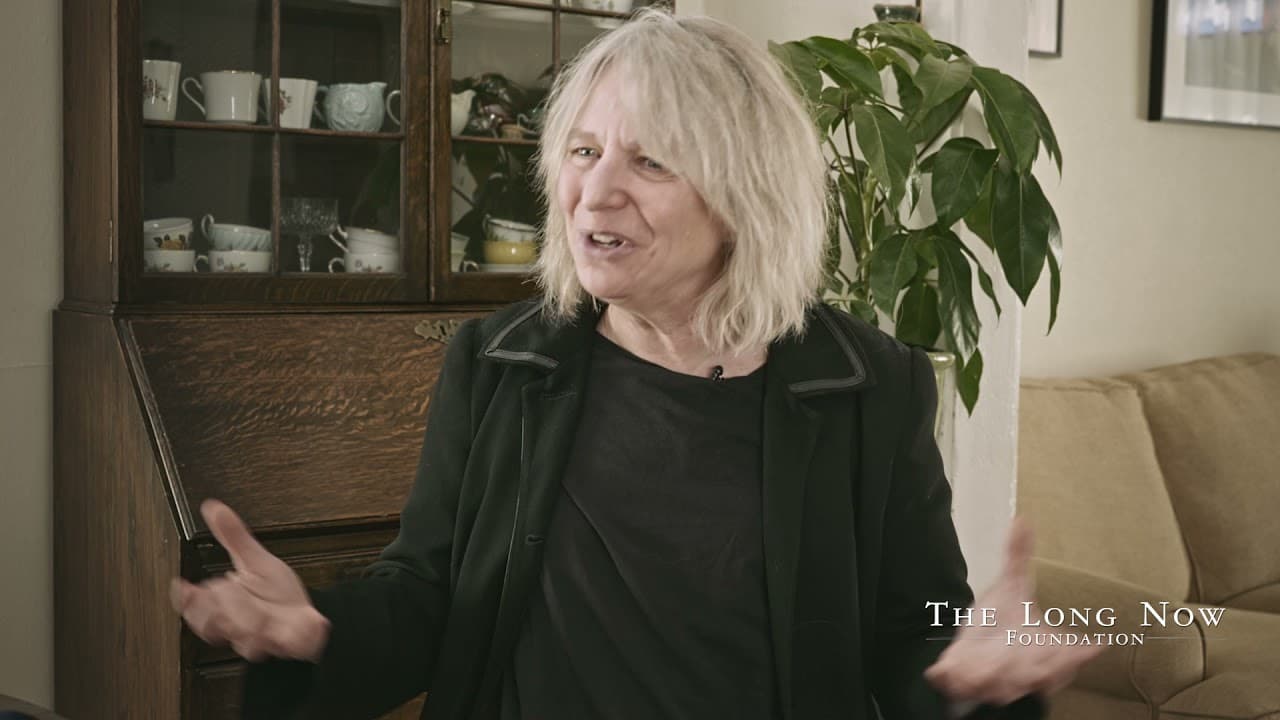
hello i'm alexander rose the executive director here at long now i'm joined today from british columbia by our speaker dr suzanne simard suzanne has developed revolutionary new techniques for discovering the way trees even between species are able to articulate their needs within the forest welcome dr suzanne smart hello it's an honor for me to be ... Read More
Key Insights
- 💦 Inland rainforests in British Columbia are biodiversity hotspots and crucial for carbon storage and clean air and water.
- 💁 Revolutionary research by Dr. Suzanne Simard reveals the intricate communication and connection between trees through mycorrhizal fungi, forming a vast network.
- 🌲 Retaining mother trees in forests enhances regeneration, protects carbon stocks, supports biodiversity, mitigates fire risk, and aids in tree migration.
- 🌲 Simplifying ecosystems by removing tree species reduces productivity and resilience, showcasing the importance of preserving diversity.
- 🎙️ More videos with Suzanne Simard:
Install to Summarize YouTube Videos and Get Transcripts
Explore YouTube Video Summarizer or Get YouTube Transcript Extractor
Questions & Answers
Q: What inspired Dr. Suzanne Simard to study the importance of mother trees in forests?
Dr. Simard's upbringing in a logging family in inland rainforests in British Columbia sparked her curiosity about the functioning of forests and their essential role in providing clean air, water, and biodiversity.
Q: How do mycorrhizal fungi contribute to the connectivity and communication between trees?
Mycorrhizal fungi link trees together in a network, allowing them to share resources such as nutrients and water. This connectivity and communication help trees support each other and improve overall forest health.
Q: What are the benefits of retaining mother trees in forests, especially in the face of climate change?
Keeping old trees in forests enhances regeneration, protects carbon stocks, supports biodiversity, mitigates fire risk, and aids in the migration of tree species to cope with the changing climate.
Q: How can the findings from Dr. Simard's mother tree project inform forest management practices?
The project highlights the importance of retaining old tree neighborhoods, observing the land, and adapting management practices to protect forests' health and resilience. The project also emphasizes the need for active involvement and experimentation to drive positive change.
Summary & Key Takeaways
-
Dr. Suzanne Simard outlines her background growing up in a logging family in inland rainforests in British Columbia and her motivation to study the importance of forests.
-
She explains her research on tree communication and connection, focusing on the role of mycorrhizal fungi in linking trees together and how this network benefits the entire forest ecosystem.
-
Dr. Simard presents the results of her mother tree project, which aims to retain old trees and enhance regeneration in forests, while also addressing the challenges of climate change and the need for tree migration.
Read in Other Languages (beta)
Share This Summary 📚
Summarize YouTube Videos and Get Video Transcripts with 1-Click
Try YouTube Summary with ChatGPT & Claude or YouTube Transcript Generator
Explore More Summaries from Long Now Seminars 📚





Summarize YouTube Videos and Get Video Transcripts with 1-Click
Try YouTube Summary with ChatGPT & Claude or YouTube Transcript Generator