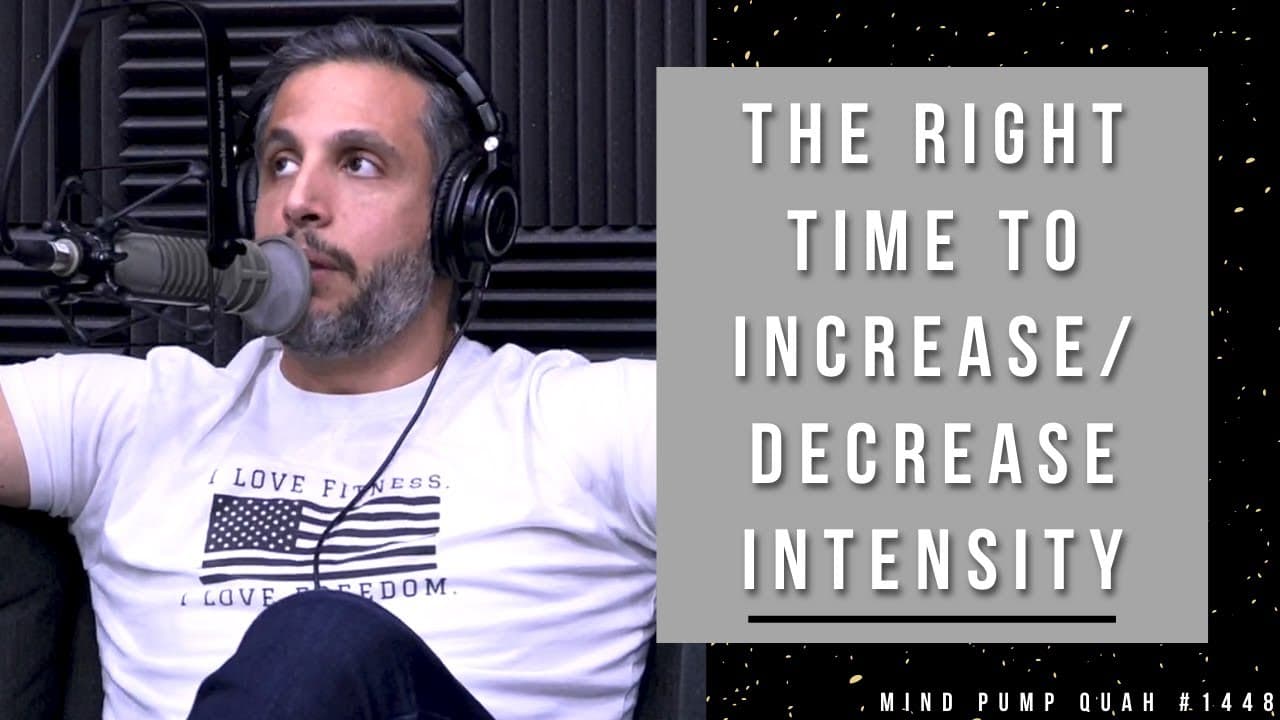
How to Know When to Increase or Decrease Workout Intensity
TL;DR
Learn when to increase or decrease workout intensity effectively.
Transcript
ở lệch question is Michael gd How do I know when to increase or decrease When contented with a partner tomorrow when referring to the way that is one of the Best Friends in the world in today's most of pokimane for some tropical top will inspire you know that is Used in this Mode Paris markets are very humble app you support almost all of grade or ... Read More
Key Insights
- Understanding when to adjust workout intensity is crucial for optimal fitness progress and avoiding injury.
- Listening to your body and recognizing signs of overtraining or undertraining can guide intensity adjustments.
- Incorporating structured warm-ups can enhance workout effectiveness and prevent injuries.
- Genetics play a role in determining individual workout intensity needs and responses.
- Balance between workout intensity and recovery is essential for long-term fitness success.
- Utilizing feedback from fitness assessments can help in adjusting workout intensity appropriately.
- Engagement with professional trainers can provide personalized guidance on workout intensity adjustments.
- Monitoring progress and setting realistic fitness goals can aid in determining when to change workout intensity.
Install to Summarize YouTube Videos and Get Transcripts
Explore YouTube Video Summarizer or Get YouTube Transcript Extractor
Questions & Answers
Q: How do I know when to increase or decrease workout intensity?
To determine when to adjust workout intensity, listen to your body and monitor signs of fatigue or lack of progress. If you experience prolonged soreness, fatigue, or decreased performance, it may be time to decrease intensity. Conversely, if workouts feel too easy or you’re not seeing progress, consider increasing intensity.
Q: What role does genetics play in workout intensity?
Genetics can influence how your body responds to different workout intensities. Some individuals may naturally recover faster or have a higher capacity for intense workouts. Understanding your genetic predispositions can help tailor your workout intensity to suit your personal capabilities and maximize your fitness outcomes.
Q: Why is a structured warm-up important before increasing workout intensity?
A structured warm-up prepares your body for the demands of increased workout intensity by gradually raising your heart rate, increasing blood flow to muscles, and enhancing flexibility. This process helps prevent injuries and improves overall workout performance, allowing you to safely push your limits during intense sessions.
Q: How can feedback from fitness assessments help in adjusting workout intensity?
Fitness assessments provide objective data on your current fitness level, strengths, and areas needing improvement. This information can guide decisions on whether to increase or decrease workout intensity by highlighting progress or stagnation, ensuring that your training remains effective and aligned with your fitness goals.
Q: What are the signs of overtraining to watch for?
Signs of overtraining include chronic fatigue, prolonged muscle soreness, decreased performance, irritability, and increased susceptibility to illness. If you experience these symptoms, it may indicate that your workout intensity is too high, and you should consider reducing intensity or increasing recovery time to prevent burnout.
Q: How can professional trainers assist in managing workout intensity?
Professional trainers can provide personalized guidance based on your fitness goals, current level, and any physical limitations. They can help design a balanced workout plan that optimally adjusts intensity levels, ensuring that you progress safely and effectively while minimizing the risk of injury.
Q: What is the importance of balancing workout intensity and recovery?
Balancing workout intensity and recovery is crucial for sustainable fitness progress. Adequate recovery allows your body to repair and strengthen, preventing overtraining and injuries. A well-balanced routine ensures that you can consistently train at an optimal level, maintaining motivation and achieving long-term fitness goals.
Q: How does setting realistic fitness goals influence workout intensity adjustments?
Setting realistic fitness goals provides a clear framework for adjusting workout intensity. By defining achievable targets, you can tailor your training intensity to meet these goals progressively. This approach helps maintain motivation, track progress, and make informed decisions about when to increase or decrease intensity for continued improvement.
Summary & Key Takeaways
-
The content discusses the importance of knowing when to adjust workout intensity to maximize fitness gains and prevent injuries. It emphasizes listening to one's body and understanding personal limits. Structured warm-ups and recovery balance are highlighted as key components in managing workout intensity.
-
Genetics is mentioned as a factor influencing how individuals should approach workout intensity. The role of professional trainers in providing personalized advice is also discussed. The content encourages setting realistic goals and monitoring progress to inform intensity adjustments.
-
The discussion includes practical tips for recognizing signs of overtraining or undertraining. It stresses the importance of feedback from fitness assessments and the value of engaging with fitness professionals for tailored guidance. Overall, the content aims to provide a comprehensive understanding of managing workout intensity effectively.
Read in Other Languages (beta)
Share This Summary 📚
Summarize YouTube Videos and Get Video Transcripts with 1-Click
Try YouTube Summary with ChatGPT & Claude or YouTube Transcript Generator
Explore More Summaries from Mind Pump Show 📚






Summarize YouTube Videos and Get Video Transcripts with 1-Click
Try YouTube Summary with ChatGPT & Claude or YouTube Transcript Generator