Depreciation in Accounting | Principles of Accounting
TL;DR
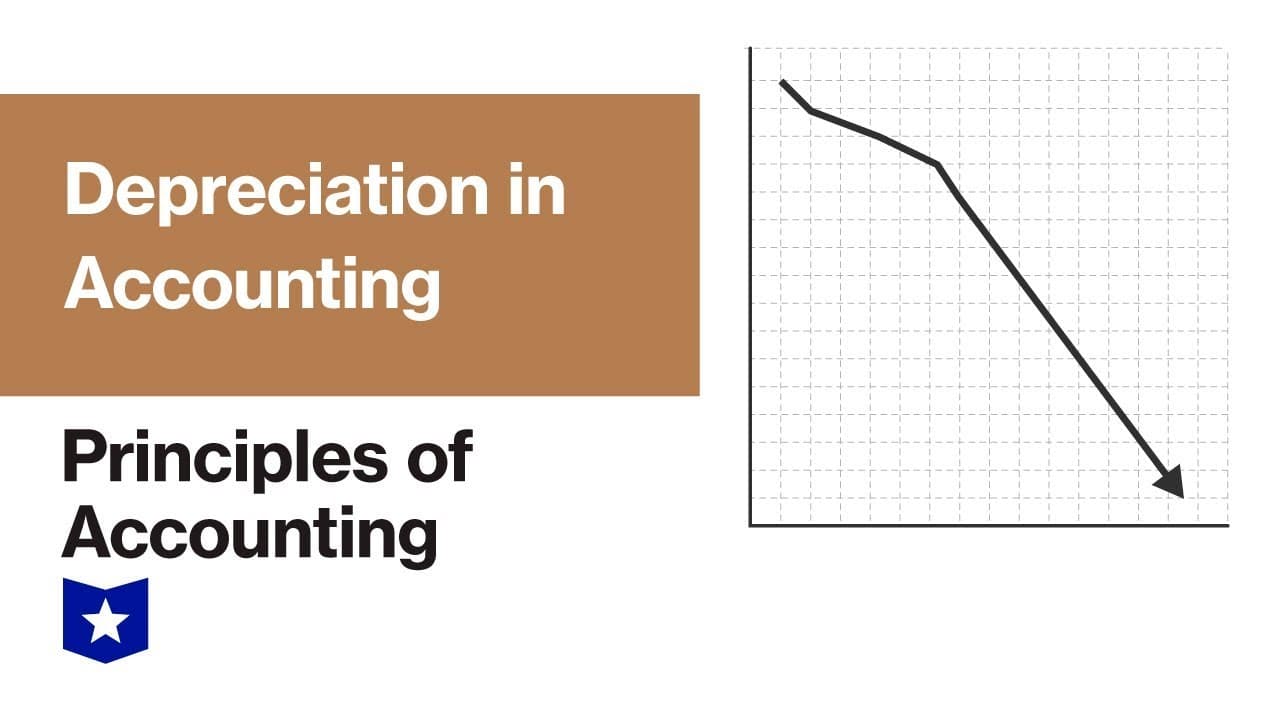
Fixed assets are depreciated over time using methods like straight-line, units of activity, and double declining balance to record expenses accurately.
Transcript
long-term assets which are also known as fixed assets are recorded at initial cost on the balance sheet at the time a fixed asset is acquired its cost does not immediately flow through to the income statement as an expense instead the entire cost is treated as an asset and recorded on the balance sheet most fixed assets however are then expensed ov... Read More
Key Insights
- ⌛ Fixed assets are recorded at initial cost and depreciated over time to align expenses with revenue generation.
- 🫥 Depreciation methods like straight-line and units of activity offer different ways to calculate and distribute asset costs.
- 🧑🏭 Factors like initial cost, expected useful life, and residual value are crucial for accurate depreciation calculations.
- ⚖️ The double declining balance method provides accelerated depreciation without considering residual value initially.
- 📼 Accurate depreciation ensures proper asset valuation and financial reporting.
- 📼 Depreciation methods impact income statements by spreading out asset costs as expenses.
- 👨💼 Understanding depreciation is essential for businesses to maintain accurate financial records and maximize tax benefits.
Install to Summarize YouTube Videos and Get Transcripts
Explore YouTube Video Summarizer or Get YouTube Transcript Extractor
Questions & Answers
Q: What are fixed assets, and how are they recorded on the balance sheet?
Fixed assets, also known as long-term assets, are recorded at their initial cost on the balance sheet when acquired. The entire cost is treated as an asset rather than an expense on the income statement.
Q: Why is depreciation necessary for fixed assets?
Depreciation reflects the decline in the usefulness and value of an asset over time, aligning its cost with the revenue it generates. It ensures accurate financial reporting by spreading out the asset's cost as expenses.
Q: What information is essential for calculating depreciation?
To calculate depreciation accurately, companies need the initial cost, expected useful life, and residual value of the asset. These factors determine the amount and method of depreciation applied.
Q: What are the differences between straight-line, units of activity, and double declining balance depreciation methods?
Straight-line provides a constant depreciation amount, units of activity bases it on asset productivity, and double declining balance accelerates depreciation early in an asset's life without considering residual value.
Summary & Key Takeaways
-
Fixed assets are recorded at initial cost on the balance sheet and depreciated over time as they generate revenue.
-
Depreciation methods include straight-line, units of activity, and double declining balance, each with its calculation and effects on financial statements.
-
Important factors for depreciation include initial cost, expected useful life, and residual value, ensuring accurate asset valuation.
Read in Other Languages (beta)
Share This Summary 📚
Summarize YouTube Videos and Get Video Transcripts with 1-Click
Try YouTube Summary with ChatGPT & Claude or YouTube Transcript Generator
Explore More Summaries from Course Hero 📚


Summarize YouTube Videos and Get Video Transcripts with 1-Click
Try YouTube Summary with ChatGPT & Claude or YouTube Transcript Generator