What Are Effective Time Management Strategies in Academia?
TL;DR
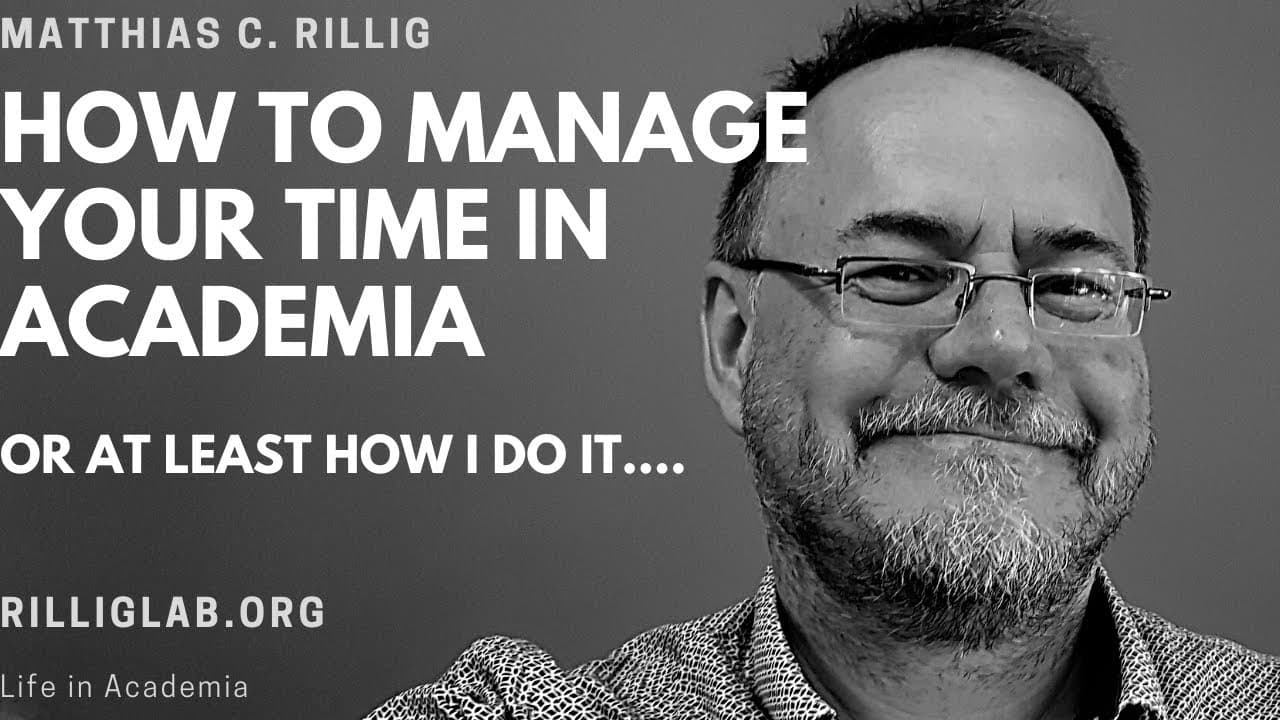
Effective time management in academia requires finding strategies that suit your personal style. Key approaches include prioritizing output-related tasks, delegating responsibilities, minimizing time spent on unproductive tasks, streamlining communication, and blocking focused time for important projects. Remember, what works for one person may not work for you, so experiment to find your best method.
Transcript
hi there one of the things i am being asked most frequently is how do i manage my time and so i think time management is something that concerns a lot of people because in our academic life there is a lot of demands on our time from different directions and i always thought i don't think i have a particular time management strategy so maybe i shoul... Read More
Key Insights
- 🏃 Time management is subjective and what works for one person may not work for another.
- ⚾ Prioritizing tasks based on output can improve efficiency.
- ⌛ Delegating tasks and trusting others is crucial in managing time effectively.
- ❓ Streamlining communication can prevent interruptions and increase productivity.
- ❓ Learning to say no to unnecessary tasks is important to avoid overloading oneself.
- 👻 Blocking time for important projects allows for uninterrupted work.
- 😃 Starting early on big tasks and dividing them over a longer period of time can reduce stress.
Install to Summarize YouTube Videos and Get Transcripts
Explore YouTube Video Summarizer or Get YouTube Transcript Extractor
Questions & Answers
Q: What is the most important message about time management?
The most important message is that there is no one-size-fits-all approach. Each individual needs to experiment and find what strategies work best for them.
Q: How does the speaker prioritize tasks?
The speaker prioritizes tasks based on their output, particularly manuscripts. Manuscripts are given top priority and are usually turned around within a few days.
Q: How does delegation contribute to time management?
Delegating tasks helps distribute workload and prevents micro-management. Trusting others to handle certain tasks frees up time for more important responsibilities.
Q: Why is it important to avoid perfectionism in time management?
Perfectionism can consume endless amounts of time and hinder progress. It is essential to recognize when a task is good enough and move on.
Summary & Key Takeaways
-
Time management is a common concern, especially in academic settings where there are numerous demands on one's time.
-
There is no universal time management strategy that works for everyone. It is important to find what works for you personally.
-
Prioritizing tasks related to output, delegating tasks, minimizing time spent on tasks you don't enjoy, streamlining communication, learning to say no, blocking time for important projects, starting early on big tasks, and avoiding perfectionism are key strategies to manage time effectively.
Read in Other Languages (beta)
Share This Summary 📚
Summarize YouTube Videos and Get Video Transcripts with 1-Click
Try YouTube Summary with ChatGPT & Claude or YouTube Transcript Generator
Explore More Summaries from Life in academia 📚




Summarize YouTube Videos and Get Video Transcripts with 1-Click
Try YouTube Summary with ChatGPT & Claude or YouTube Transcript Generator