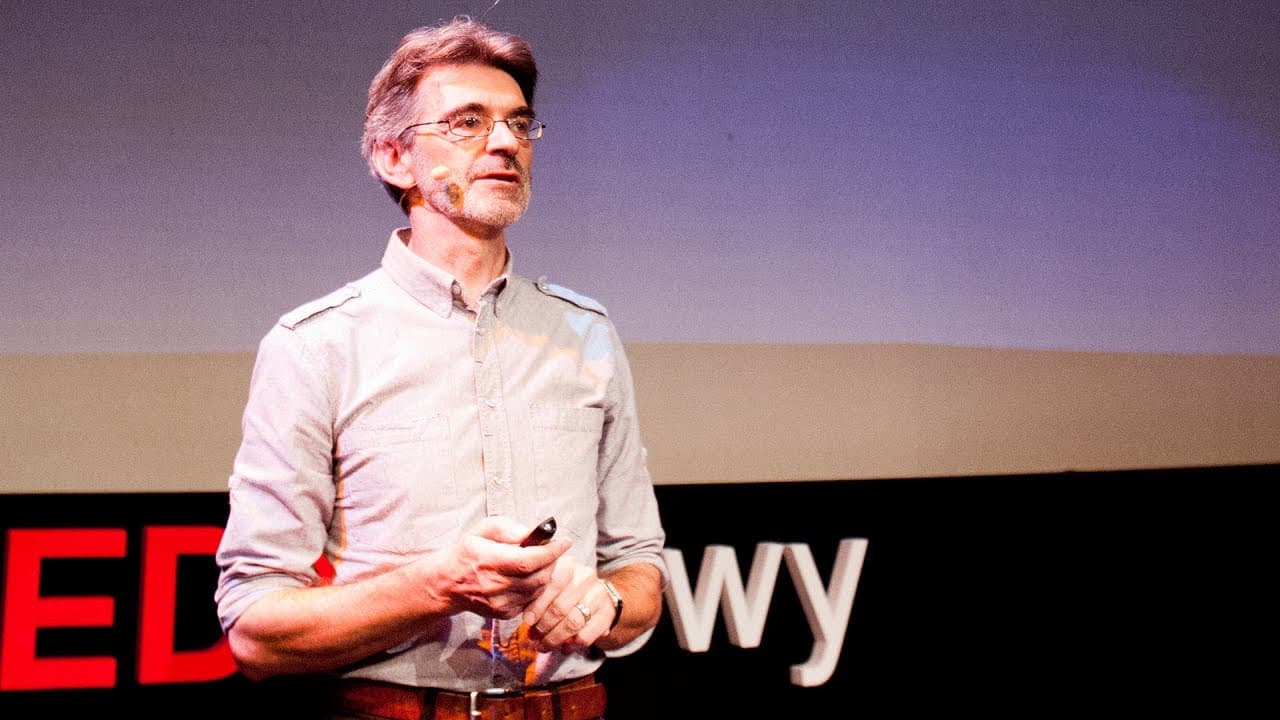
Let's talk about dying - Peter Saul
TL;DR
Discussing the challenges of modern dying processes and the importance of reclaiming control over end-of-life decisions.
Transcript
[Applause] look i had second thoughts really about whether i could talk about this to such a vital and a live audience as you guys but then i remember the quote from gloria steinem which goes the truth will set you free but first it will piss you off [Laughter] so so with that in mind i'm going to set about trying to do those things here and talk a... Read More
Key Insights
- 😀 Modern dying processes pose challenges due to the shift in diseases people face and the lack of control over end-of-life decisions.
- 🤗 Cultural taboos and the fear of discussing death hinder open conversations about end-of-life preferences.
- 😑 Reclaiming control over the dying process involves engaging in discussions, appointing a healthcare proxy, and expressing preferences for care.
Install to Summarize YouTube Videos and Get Transcripts
Explore YouTube Video Summarizer or Get YouTube Transcript Extractor
Questions & Answers
Q: Why is the dying process in the 21st century considered a potential train wreck?
The current trajectory of modern dying processes indicates a challenging future due to the shift in diseases people face and the lack of control over end-of-life decisions.
Q: What are the cultural issues in discussing death and end-of-life care?
Cultural taboos and fear surrounding death hinder open conversations about end-of-life preferences, leading to a lack of planning and decision-making when it matters.
Q: How can individuals reclaim control over their dying processes?
Engaging in conversations about end-of-life preferences, appointing a healthcare proxy, and expressing preferences for care can help individuals regain control over their dying process.
Q: Why is it crucial to address end-of-life care and planning?
End-of-life care impacts not only the individual but also their loved ones, reducing stress and ensuring that one's wishes are respected during a vulnerable time.
Summary & Key Takeaways
-
Everyone will die in the 21st century, and the current dying process is shaping up to be a train wreck.
-
Intensive care has prolonged lives, but the diseases people now face are more challenging, leading to a shift in how people die.
-
Lack of dialogue and planning for end-of-life care creates stress and highlights the need to reclaim control over the dying process.
Read in Other Languages (beta)
Share This Summary 📚
Summarize YouTube Videos and Get Video Transcripts with 1-Click
Try YouTube Summary with ChatGPT & Claude or YouTube Transcript Generator
Explore More Summaries from TED-Ed 📚

Summarize YouTube Videos and Get Video Transcripts with 1-Click
Try YouTube Summary with ChatGPT & Claude or YouTube Transcript Generator