Contemplative Practices for Prevention and Treatment of Traumatic Stress in Youth
TL;DR
Research suggests that implementing yoga and mindfulness practices in schools can contribute to improved sleep, reduced stress, and enhanced emotional regulation in children.
Transcript
stanford university good evening i'm dr tia rich and i have the pleasure of directing the stanford contemplation by design program this is the sixth summit the seventh year that we've been offering contemplative practices to the community it's a great pleasure to introduce dr victor carrion who is sharing his research which he shared some prelimina... Read More
Key Insights
- 🖐️ Traumatic experiences hinder a child's ability to play and contemplate, highlighting the importance of interventions that restore these abilities.
- 👶 Resilience should not be solely attributed to children; it requires support, partnership, and cooperation among various stakeholders in a child's life.
- 😪 Mindfulness and yoga practices have the potential to improve sleep, reduce stress, and enhance emotional regulation in children.
- 👪 Collaboration and partnerships among parents, educators, and other community members are crucial to building resilience in children.
- ❓ Resilience is not an innate trait; it can be developed through social support, creative problem-solving, cognitive flexibility, and persistence.
- 🧠 Understanding the impact of traumatic experiences on brain function can inform effective interventions aimed at promoting resilience in children.
- 👪 Fostering resilience requires a holistic, multi-disciplinary approach that addresses the individual, family, and community levels.
Install to Summarize YouTube Videos and Get Transcripts
Explore YouTube Video Summarizer or Get YouTube Transcript Extractor
Questions & Answers
Q: How do traumatic experiences affect children's ability to play and contemplate?
Trauma can disrupt a child's ability to engage in joyful and normal play, leading to repetitive and non-joyful traumatic play. This trauma also hinders contemplation and impacts a child's social and emotional development.
Q: Are children naturally resilient?
No, children are not inherently resilient. Resilience must be developed through supportive relationships and interventions. Studies show that children are more vulnerable to the negative effects of traumatic events compared to adults.
Q: How can partnerships among various stakeholders contribute to building resilience in children?
Collaboration among parents, caregivers, teachers, and healthcare professionals is essential in nurturing resilient children. By working together, they can provide comprehensive support, engage in effective communication, and create a cohesive community that fosters resilience in children.
Q: What are some key factors that contribute to resilience in children?
Key factors include the presence of supportive adults, opportunities for creative problem-solving, the development of cognitive flexibility, persistence, and a sense of belonging. These factors help children build resilience and adaptability, enhancing their ability to navigate challenging situations.
Summary & Key Takeaways
-
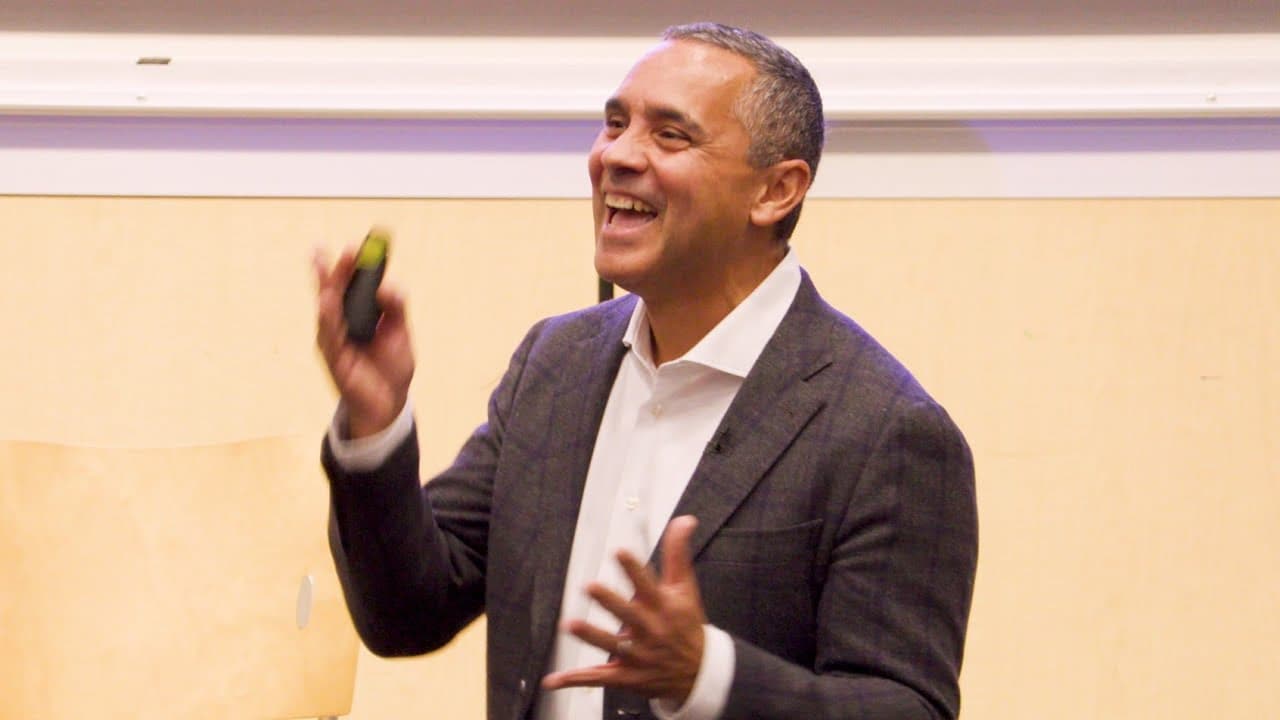
Dr. Victor Carrion discusses his research on promoting resilience in children who have experienced trauma and stress. He emphasizes the importance of bringing back the ability to contemplate, play, and build resilience in children who have experienced adversity.
-
The concept of resilience is explored, highlighting the need for children to be both resilient and adaptable. Dr. Carrion emphasizes the role of partnerships and collaboration among parents, caregivers, teachers, and other community members in fostering resilience in children.
-
Insights from neuroscience research indicate that children who engage in mindfulness and yoga practices may experience improvements in academic performance, emotional regulation, and sleep quality. These interventions can positively impact brain function, such as reducing amygdala reactivity and increasing cortical connectivity.
Read in Other Languages (beta)
Share This Summary 📚
Summarize YouTube Videos and Get Video Transcripts with 1-Click
Try YouTube Summary with ChatGPT & Claude or YouTube Transcript Generator
Explore More Summaries from Stanford 📚


Summarize YouTube Videos and Get Video Transcripts with 1-Click
Try YouTube Summary with ChatGPT & Claude or YouTube Transcript Generator