How 'Unfair' Property Taxes Crush New Yorkers
TL;DR
New York City's property tax system is highly flawed, leading to significant disparities in tax bills for different types of properties.
Transcript
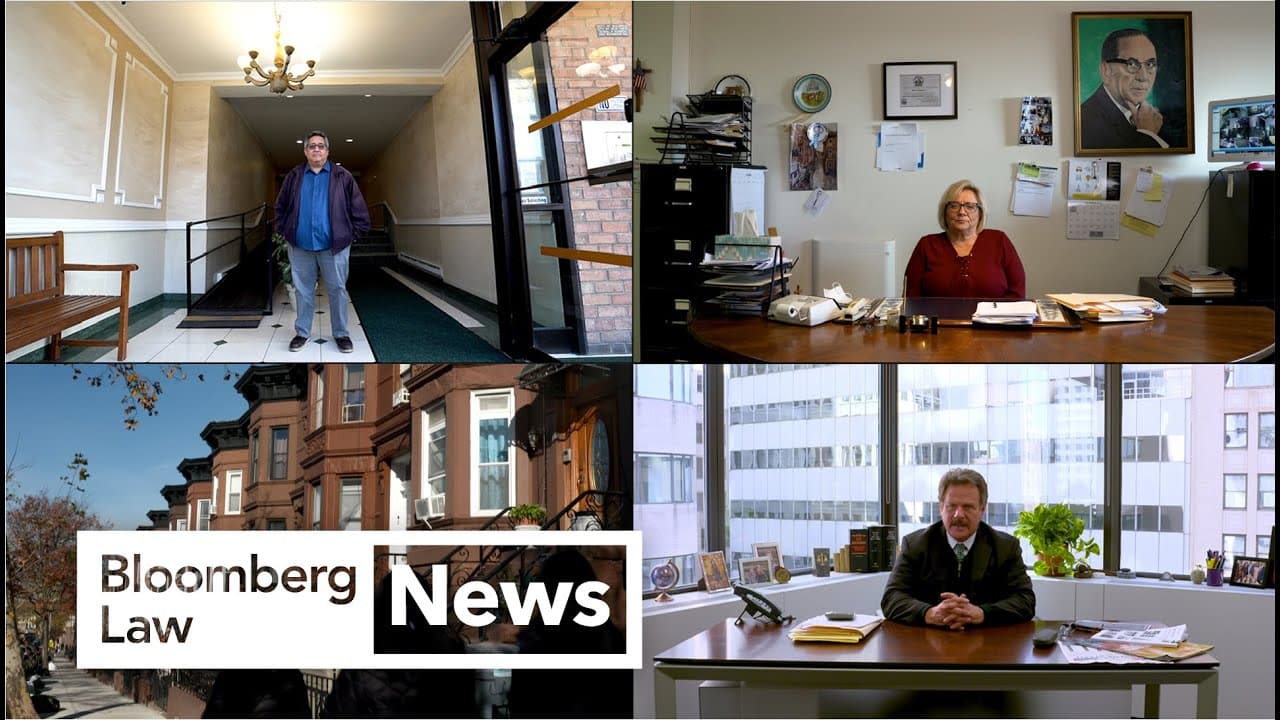
this is a modest 72-unit co-op in staten island it sits on a busy street next to a pizza joint and a ravioli store and this is a single-family brownstone in tony park slope brooklyn its neighborhood is a bit more upscale according to public tax records the two properties have market values in a similar range which means their property taxes should ... Read More
Key Insights
- 🚕 New York City's property tax system has led to significant disparities in tax bills between different types of properties.
- 🎓 The system favors one to three family homes and places caps on their assessed values, while co-ops and apartments receive no such caps.
- ❓ The complexity of the system has resulted in confusion and difficulty for taxpayers to navigate.
- ❓ Multiple administrations have studied the issue but have failed to bring about meaningful reform.
- 🚕 Any changes to the property tax system would require action by the state legislature, which poses challenges due to the potential backlash from voters.
- 🐕🦺 Property taxes in New York City account for a significant portion of the budget and fund essential services.
- ❓ While many recognize the flaws in the current system, reform has been elusive due to the differing concerns and interests of various stakeholders.
Install to Summarize YouTube Videos and Get Transcripts
Explore YouTube Video Summarizer or Get YouTube Transcript Extractor
Questions & Answers
Q: Why have property taxes for co-ops and apartments in New York City increased so significantly?
The property tax system implemented in 1981 favors one to three family homes and places caps on their assessed values. This means that co-ops and apartments do not have limits on how much their taxes can rise, leading to substantial increases.
Q: What has been the impact of skyrocketing property taxes on residents?
Many residents, including those on fixed incomes, are struggling to afford the spiraling costs of property taxes. Some are paying more in taxes for their small apartments than owners of single-family homes.
Q: Who is responsible for the current property tax system in New York City?
The property tax system in New York City is the result of legislation passed in 1981 by state lawmakers, with the goal of favoring owners of one to three family homes over renters and businesses.
Q: How has the city attempted to address the inequalities in the property tax system?
The city has implemented specialty programs to mitigate some of the inequality, but critics argue that the system has become so complicated that many taxpayers are unaware of these programs.
Summary & Key Takeaways
-
New York City's property tax system is unfair and leads to enormous disparities across the city.
-
Property taxes for co-ops and apartments have significantly increased, causing financial strain for many residents.
-
The current system, implemented in 1981, favors one to three family homes and places caps on their assessed values, leading to unequal tax rates.
Read in Other Languages (beta)
Share This Summary 📚
Summarize YouTube Videos and Get Video Transcripts with 1-Click
Try YouTube Summary with ChatGPT & Claude or YouTube Transcript Generator
Explore More Summaries from Bloomberg Law 📚



Summarize YouTube Videos and Get Video Transcripts with 1-Click
Try YouTube Summary with ChatGPT & Claude or YouTube Transcript Generator