What vaccinating vampire bats can teach us about pandemics | Daniel Streicker
TL;DR
This content discusses the potential for using the study of rabies to prevent pandemics and the importance of vaccinating animal sources.
Transcript
The story that I'm going to tell you today, for me, began back in 2006. That was when I first heard about an outbreak of mysterious illness that was happening in the Amazon rainforest of Peru. The people that were getting sick from this illness, they had horrifying symptoms, nightmarish. They had unbelievable headaches, they couldn't eat or drink. ... Read More
Key Insights
- 🦇 Deadly outbreaks of viruses transmitted from bats to humans, like rabies, are becoming more common and pose a significant global health threat.
- 🙌 Studying everyday killer viruses, like rabies, can help scientists uncover patterns and develop strategies to prevent future pandemics.
- 🌍 Rabies spreads rapidly, but it tends to stay within the bat population and is not easily transmitted between humans.
- 🧬 By analyzing the genomes of rabies viruses, scientists can track the movement and spread of the virus and predict its future destinations.
- 🦇 Vaccinating animal sources, such as bats, is the most effective way to control and prevent rabies outbreaks.
- 🔬 Edible spreadable vaccines that can be applied to bats' fur and spread through grooming have the potential to significantly reduce the size of rabies outbreaks.
- 🌱 By interrupting the chain of transmission and reducing the chance of the virus spreading to new colonies, the chance of rabies becoming extinct in the future is increased.
- 🔮 The combination of genomics, forecasting outbreaks, and innovative vaccination strategies can help prevent and stop future pandemics, putting scientists one step ahead.
Install to Summarize YouTube Videos and Get Transcripts
Explore YouTube Video Summarizer or Get YouTube Transcript Extractor
Questions & Answers
Q: What were the symptoms of the mysterious illness in the Amazon rainforest of Peru in 2006?
The victims of the mysterious illness in the Amazon rainforest of Peru in 2006 experienced severe symptoms such as horrifying headaches, inability to eat or drink, hallucinations, confusion, and aggression. Unfortunately, none of those who got sick survived.
Q: What virus caused the deaths in the Amazon rainforest outbreak?
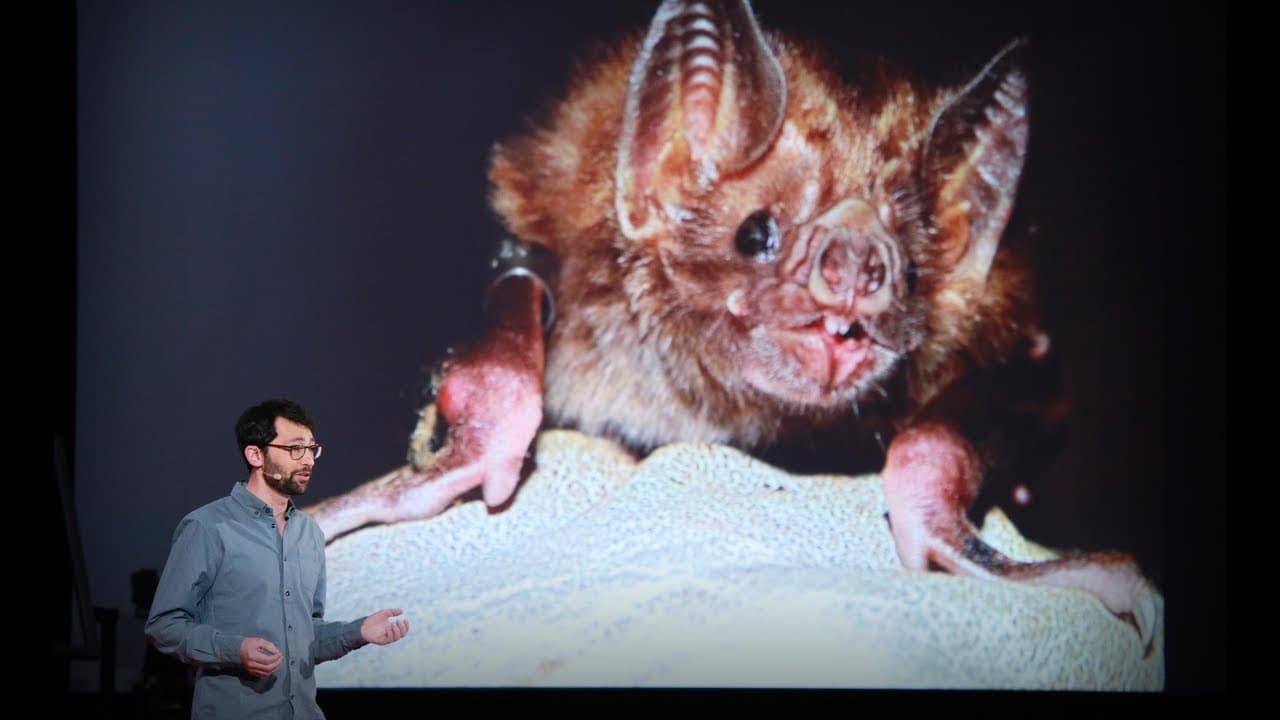
The virus that was causing the deaths in the Amazon rainforest outbreak was rabies. This ancient killer virus, which has been known for centuries, was transmitted to humans through bites from vampire bats.
Q: Why have there been more outbreaks of diseases jumping from bats to humans in recent decades?
In recent decades, there has been an increase in outbreaks of diseases transferring from bats to humans. This trend is attributed to several factors, one being the proximity of humans to bat habitats due to deforestation and urbanization. Additionally, these outbreaks occur because bats carry a variety of viruses that can potentially spread to humans.
Q: Why is rabies considered a good virus to study for predicting and preventing pandemics?
Rabies is considered a good virus to study for predicting and preventing pandemics because it spreads between species more frequently than other viruses. This gives scientists an opportunity to understand the patterns and mechanisms of transmission. Additionally, there are already existing vaccines for rabies that can be modified and used to control the virus.
Q: What strategies can be used to prevent the spread of rabies?
The strategies to prevent the spread of rabies include vaccinating both humans and animals, especially the animal source of the virus. Vaccinating bats, in particular, can be effective by using edible vaccines that can be spread between bats through their natural grooming behaviors. These strategies aim to reduce the size of rabies outbreaks and break the chain of transmission, ultimately bringing the virus closer to extinction.
Summary & Key Takeaways
-
Outbreaks of deadly viruses, such as Ebola and rabies, are becoming more common and occurring in unexpected places, catching the global health community off-guard.
-
Studying viruses that regularly jump from wild animals to humans, like rabies, can help identify patterns and potential prevention strategies for future pandemics.
-
New technologies, like edible self-spreading vaccines, show promise in reducing the size of outbreaks and stopping viruses at their source, bringing us closer to a world without deadly diseases like rabies.
Read in Other Languages (beta)
Share This Summary 📚
Summarize YouTube Videos and Get Video Transcripts with 1-Click
Try YouTube Summary with ChatGPT & Claude or YouTube Transcript Generator
Explore More Summaries from TED 📚






Summarize YouTube Videos and Get Video Transcripts with 1-Click
Try YouTube Summary with ChatGPT & Claude or YouTube Transcript Generator