Why danger symbols can’t last forever
TL;DR
Danger symbols evolve over time to remain effective.
Transcript
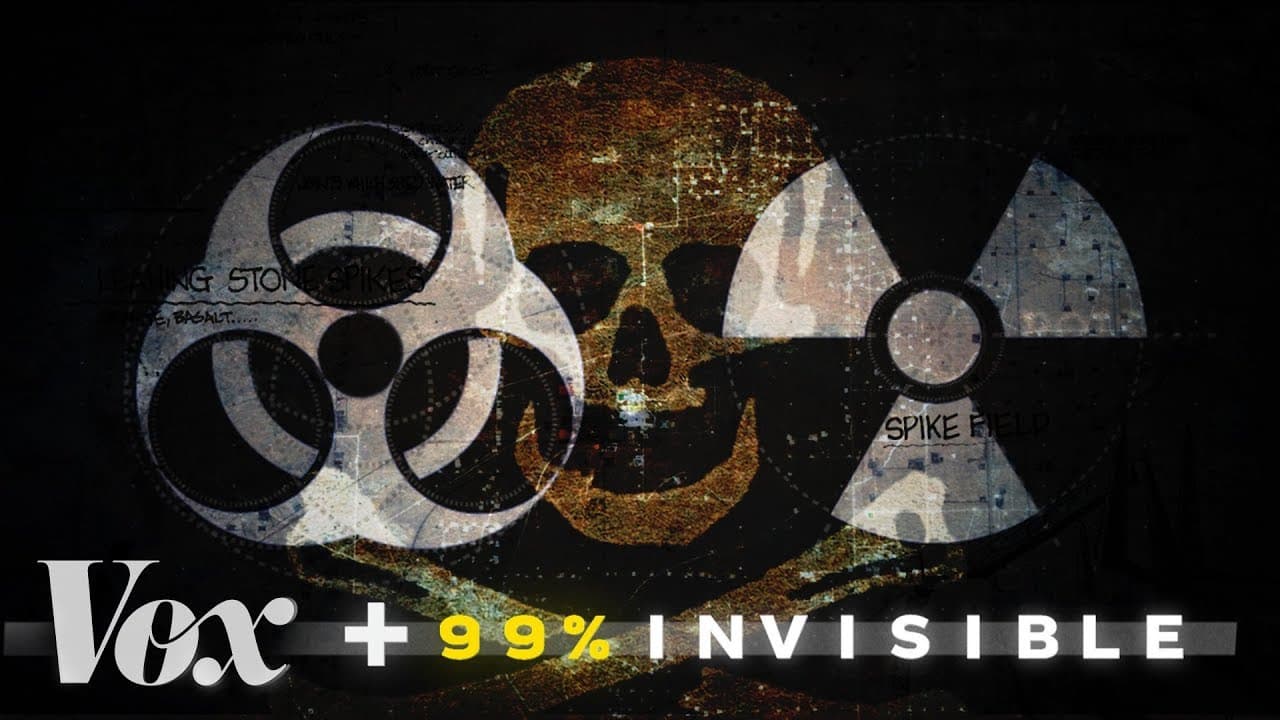
You probably know how this symbol is supposed to make you feel. And this one. This one too, even if you’re not sure exactly what it means. But what about this? This symbol — The Jolly Roger — was once one of the most feared symbols in the world. It represented death, pirates, and poison. But today, it’s associated more with treasure, blockbuster mo... Read More
Key Insights
- The Jolly Roger symbol, once feared, now evokes treasure and entertainment, highlighting how meanings of symbols change over time.
- In the early 20th century, inconsistent symbols for biological hazards posed risks, prompting the creation of a universal biohazard symbol.
- Dow Chemical developed the biohazard symbol by prioritizing memorability over initial meaningfulness, allowing it to be taught to the public.
- The biohazard symbol's simplicity and lack of reference to physical objects have contributed to its lasting recognition.
- Designing symbols for long-term danger, like radioactive waste, challenges assumptions about cultural interpretations and durability.
- Innovative ideas for long-term warnings include altering landscapes and creating cultural myths, such as glowing cats to indicate radioactivity.
- The challenge of creating timeless symbols lies in balancing attention-grabbing design with discouraging curiosity.
- Future visual communication must adapt as human culture and understanding evolve, ensuring safety through inclusive and clear symbols.
Install to Summarize YouTube Videos and Get Transcripts
Explore YouTube Video Summarizer or Get YouTube Transcript Extractor
Questions & Answers
Q: What was the significance of the Jolly Roger symbol historically?
Historically, the Jolly Roger symbol was one of the most feared symbols in the world, representing death, pirates, and poison. Its meaning has evolved over time, and today it is more commonly associated with treasure, blockbuster movies, or Halloween, illustrating how the significance of symbols can change across generations.
Q: Why was there a need for a new biohazard symbol in the early 20th century?
In the early 20th century, there was no universal standard for communicating the presence of dangerous biological materials, leading to inconsistent symbols used by different organizations. This inconsistency posed risks of accidental infections, prompting the need for a new, universally recognized biohazard symbol to effectively communicate biological dangers.
Q: How did Dow Chemical approach the creation of the biohazard symbol?
Dow Chemical approached the creation of the biohazard symbol by focusing on memorability over initial meaningfulness. They conducted an experiment with 300 participants to identify a design that was visually striking, unique, and easy to recall. The chosen symbol scored high in memorability but low in meaningfulness, making it a blank slate for teaching its significance.
Q: What are some challenges in designing symbols for long-term dangers?
Designing symbols for long-term dangers, such as radioactive waste, involves challenges like ensuring the symbol's meaning persists across cultures and generations. Designers must consider cultural assumptions, the durability of the symbol, and the potential for symbols to be misunderstood or ignored over time. These challenges require innovative solutions beyond traditional symbols.
Q: What innovative ideas have been proposed for long-term warnings?
Innovative ideas for long-term warnings include altering the landscape to create instinctively fear-inducing shapes, like spike fields or forbidding blocks. Other proposals involve creating cultural myths, such as genetically engineering bioluminescent cats that glow in the presence of radioactivity, with songs and traditions warning of the danger associated with glowing cats.
Q: How do philosophical design solutions differ from traditional symbol design?
Philosophical design solutions for long-term warnings differ from traditional symbol design by focusing on creating cultural or instinctual deterrents rather than relying on symbols. These solutions, such as altering landscapes or creating myths, aim to communicate danger through deeply ingrained cultural or biological instincts, rather than through visual symbols that may lose meaning over time.
Q: What role does culture play in the effectiveness of danger symbols?
Culture plays a significant role in the effectiveness of danger symbols, as cultural interpretations and assumptions can influence how symbols are understood and remembered. Effective symbols must be designed to transcend cultural differences and remain recognizable and meaningful across diverse populations and generations, ensuring they communicate danger effectively.
Q: Why is it important for warning symbols to adapt over time?
It is important for warning symbols to adapt over time because human cultures, languages, and interpretations evolve, potentially altering how symbols are perceived. To maintain their effectiveness in communicating danger, symbols must evolve alongside these changes, ensuring they remain clear, inclusive, and capable of conveying essential safety information to future generations.
Summary & Key Takeaways
-
The video explores the evolution of danger symbols, focusing on how meanings change over time and the challenges in designing symbols that remain effective across generations. The biohazard symbol was created with memorability in mind, but its long-term effectiveness is uncertain.
-
Inconsistent symbols for biological hazards in the early 20th century led to the development of the biohazard icon by Dow Chemical. The symbol's design prioritized uniqueness and memorability, allowing it to become a standard for communicating biological dangers.
-
Designing symbols for long-lasting dangers, like radioactive waste, involves addressing cultural assumptions and durability. Ideas range from altering landscapes to creating cultural myths, but the challenge remains in balancing attention with discouragement of curiosity.
Read in Other Languages (beta)
Share This Summary 📚
Summarize YouTube Videos and Get Video Transcripts with 1-Click
Try YouTube Summary with ChatGPT & Claude or YouTube Transcript Generator
Explore More Summaries from Vox 📚

Summarize YouTube Videos and Get Video Transcripts with 1-Click
Try YouTube Summary with ChatGPT & Claude or YouTube Transcript Generator