How to make a movie look like one long shot
TL;DR
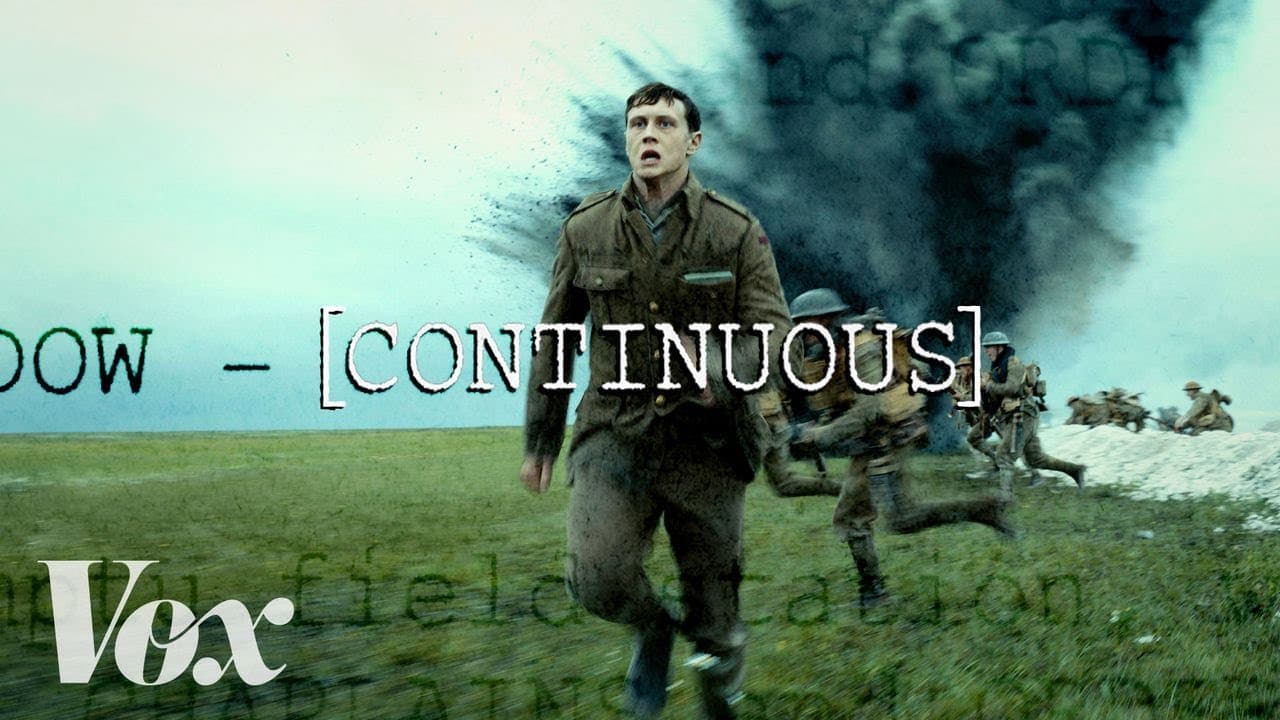
1917 uses clever editing to appear as one continuous shot.
Transcript
These are the 61 scene changes in the screenplay for the movie 1917. Almost every single one is labeled “continuous”. That’s because this movie is two hours of what appears to be one long, uninterrupted shot. One-shot films like this are a stunning accomplishment of coordination and timing. And when done right, they make a movie feel like it’s unfo... Read More
Key Insights
- The movie 1917 uses editing and CGI to create the illusion of one continuous shot, despite being filmed in different locations.
- Alfred Hitchcock's 1948 film Rope pioneered the technique of hiding cuts to make a film feel like it's unfolding in real time.
- Early cameras could only record 10 minutes of film, necessitating creative techniques to hide cuts between takes.
- One method to hide cuts involves using a dark surface to obscure the frame, allowing for seamless transitions between shots.
- Foreground objects can be used to stitch together two shots, as demonstrated in the movie Children of Men.
- A whip pan involves fast camera movement to blur the image, allowing editors to cut between shots without detection.
- The Texas Switch is a technique where actors and their doubles swap places to perform stunts without obvious cuts.
- Modern digital filming and CGI allow for true continuous takes, but traditional techniques still enhance storytelling.
Install to Summarize YouTube Videos and Get Transcripts
Explore YouTube Video Summarizer or Get YouTube Transcript Extractor
Questions & Answers
Q: What makes 1917's filming technique unique?
1917 stands out for its use of clever editing and CGI to create the illusion of a single continuous shot. This technique involves seamlessly stitching together multiple scenes filmed across different locations, making the movie appear as if it unfolds in real time, enhancing the viewer's immersive experience.
Q: How did early filmmakers hide cuts in continuous shots?
Early filmmakers, like those working on Hitchcock's Rope, used creative techniques to hide cuts due to the limitations of film cameras, which could only hold 10 minutes of footage. They employed methods such as using dark surfaces to obscure the frame and creating transitions with matching colors to maintain the illusion of continuity.
Q: What is a whip pan and how is it used in filmmaking?
A whip pan is a technique where the camera moves rapidly, causing the image to blur. This blurring effect allows filmmakers to cut between shots at the peak of the movement, making the transition appear seamless. It is used to maintain the illusion of a continuous shot, as seen in films like Snake Eyes.
Q: What is the Texas Switch technique?
The Texas Switch is a filmmaking technique where an actor and their double swap places during a scene, allowing complex stunts to be performed without obvious cuts. This method is used to maintain the illusion of continuity and is often employed in action sequences to enhance the film's visual impact.
Q: How do modern films achieve true continuous takes?
Modern films can achieve true continuous takes through digital filming and CGI, which eliminate the need for traditional hidden cut techniques. This technology allows filmmakers to capture entire scenes or even movies in one uninterrupted take, providing a seamless and immersive viewing experience.
Q: Why are traditional hidden cut techniques still relevant?
Traditional hidden cut techniques are still relevant because they offer filmmakers creative ways to enhance storytelling and maintain narrative flow. Even with digital advancements, these methods provide valuable tools for crafting visually compelling stories, enabling directors to manipulate time and space within a film seamlessly.
Q: What role does CGI play in creating one-take films?
CGI plays a crucial role in creating one-take films by allowing filmmakers to seamlessly blend different shots and locations into a single, continuous sequence. It enables the addition of visual effects and corrections that enhance the illusion of real-time action, making the narrative more engaging and visually impressive.
Q: How does the film 1917 draw inspiration from Rope?
The film 1917 draws inspiration from Hitchcock's Rope by employing techniques to hide cuts and create the illusion of a continuous take. Like Rope, 1917 uses various tricks, such as matching colors and foreground objects, to stitch together different scenes, enhancing the storytelling by simulating real-time events.
Summary & Key Takeaways
-
The film 1917 uses clever editing and CGI to create the illusion of a single continuous shot, drawing inspiration from Hitchcock's 1948 film Rope. This technique involves various tricks, such as using dark surfaces, foreground objects, and whip pans, to seamlessly stitch together different shots.
-
Alfred Hitchcock's Rope introduced the concept of hiding cuts to mimic real-time storytelling, a method now used in films like 1917. Early cameras had limitations, allowing only 10 minutes of filming, prompting directors to develop innovative techniques to maintain continuity.
-
Modern digital technology allows for true continuous takes, but traditional methods like the Texas Switch and hidden cuts remain valuable for enhancing narrative complexity. These techniques allow filmmakers to create visually compelling stories while maintaining the illusion of a seamless narrative flow.
Read in Other Languages (beta)
Share This Summary 📚
Summarize YouTube Videos and Get Video Transcripts with 1-Click
Try YouTube Summary with ChatGPT & Claude or YouTube Transcript Generator
Explore More Summaries from Vox 📚

Summarize YouTube Videos and Get Video Transcripts with 1-Click
Try YouTube Summary with ChatGPT & Claude or YouTube Transcript Generator