What Does the “Octane Rating” of Fuel Actually Mean
TL;DR
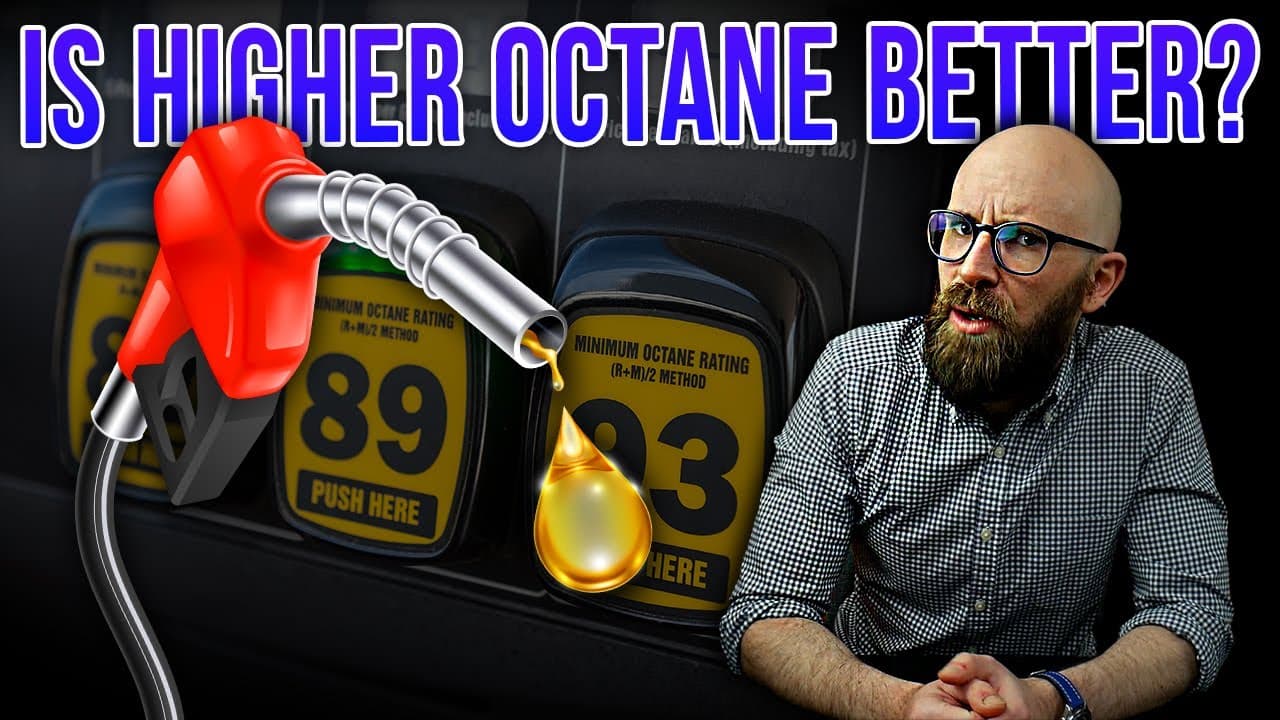
Octane ratings measure a fuel's ability to resist engine knock, which can cause damage to the engine. Different octane ratings have varying effects on car performance.
Transcript
ah the joys of vehicle ownership traffic jams construction costly Insurance speed traps searching endlessly for Park having the check engine light come on just as you're about tonight that new game system over the mechanic charge you thousands for parts of Labor and of course the greatest joy of all that the weekly soul-crushing wallet emptying tri... Read More
Key Insights
- 🚒 Octane ratings measure a fuel's resistance to engine knock caused by uneven combustion.
- ⛽ Different isomers of octane have varying effects on fuel volatility and spontaneous ignition.
- 🚒 Octane testing engines are used to compare the knocking intensity of a fuel blend to standard tables.
- ✋ Higher octane fuels are preferred in engines with higher compression ratios or forced induction.
- 😒 The use of ethanol as an octane booster replaced tetraethyl lead in gasoline due to health and environmental concerns.
- 🥺 Aviation gasoline has higher octane ratings and is still primarily leaded.
- 👍 The FAA has been slow to approve alternative fuels for general aviation due to various reasons, including vested interests.
Install to Summarize YouTube Videos and Get Transcripts
Explore YouTube Video Summarizer or Get YouTube Transcript Extractor
Questions & Answers
Q: What is the purpose of an octane rating?
An octane rating measures a fuel's ability to resist engine knock, a phenomenon that can cause damage to the engine if not corrected.
Q: How are octane ratings determined?
Octane ratings are determined using octane testing engines, which compare the knocking intensity of a fuel blend to standard tables calibrated with primary reference fuels.
Q: Do higher octane fuels improve car performance?
Higher octane fuels are optimized for engines with higher compression ratios or forced induction, as they prevent knocking. Using higher octane fuel in a lower compression engine may slightly improve fuel efficiency but confers little advantage otherwise.
Q: Why is ethanol used as an octane booster?
Ethanol lowers the volatility of gasoline and makes it less susceptible to knocking. It is a commonly used anti-knock agent in fuels.
Summary & Key Takeaways
-
Octane ratings measure a fuel's resistance to engine knock, which can lead to engine damage.
-
Fuels are a mixture of hydrocarbons and additives, with different isomers of octane affecting their volatility and susceptibility to spontaneous ignition.
-
Octane ratings are determined using octane testing engines, which compare the knocking intensity of a fuel blend to standard tables.
Read in Other Languages (beta)
Share This Summary 📚
Summarize YouTube Videos and Get Video Transcripts with 1-Click
Try YouTube Summary with ChatGPT & Claude or YouTube Transcript Generator
Explore More Summaries from Today I Found Out 📚






Summarize YouTube Videos and Get Video Transcripts with 1-Click
Try YouTube Summary with ChatGPT & Claude or YouTube Transcript Generator