What Are the Health Benefits of Sodium?
TL;DR
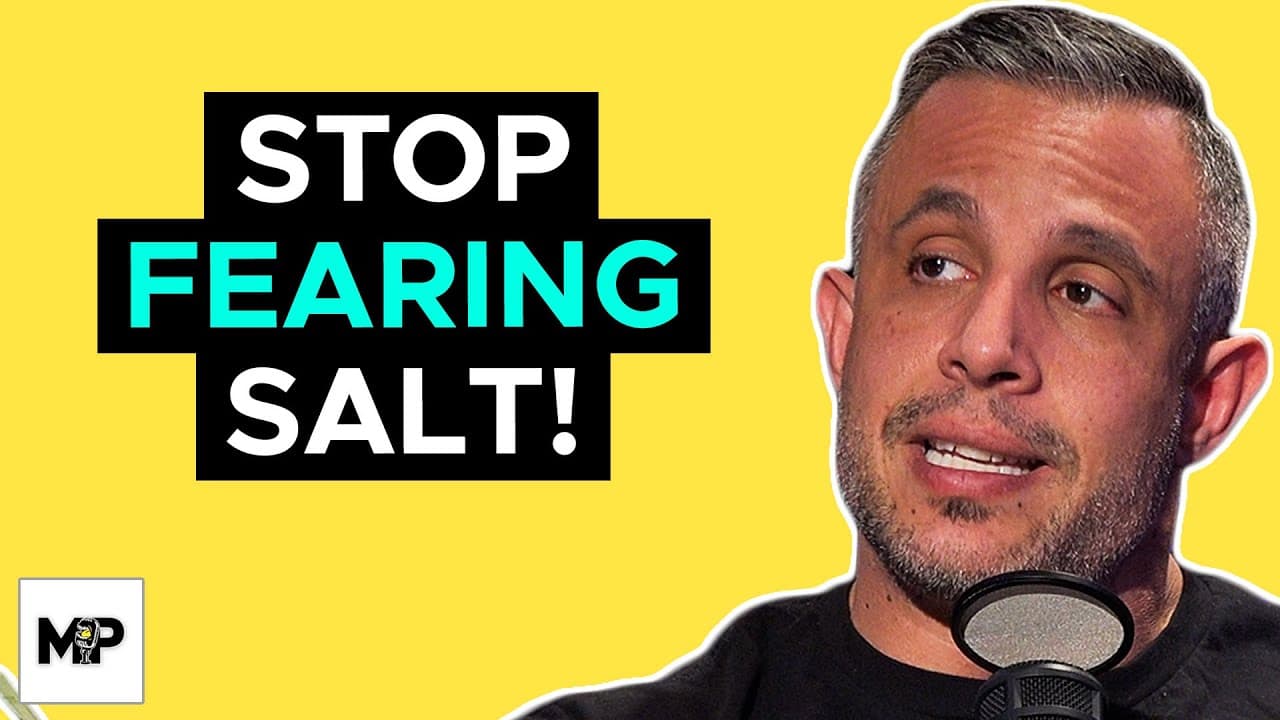
Consuming too little sodium can be more dangerous than consuming too much for most people. Studies show that lower sodium intake is linked to higher cardiovascular risks. The issue isn't sodium itself but rather the high intake of processed foods. For athletes and those who sweat a lot, higher sodium intake may be beneficial.
Transcript
foreign don't believe the negative hype around sodium salt most of it is flawed or completely wrong salt is essential for function for life and believe it or not consuming too little of it has far more dangers for most people than consuming quote unquote too much all right so uh element did element did a phenomenal post on Instagram I'm going to re... Read More
Key Insights
- Sodium is essential for life and proper body function.
- Low sodium intake is linked to higher cardiovascular events.
- Processed foods contain excessive sodium, not natural foods.
- Sodium is not the cause of health issues; processed foods are.
- Athletes may benefit from higher sodium intake due to sweating.
- Proper sodium intake can improve athletic performance.
- Processed foods are designed to be hyper-palatable with salt, sugar, and fat.
- Natural salts, like Himalayan pink salt, are more balanced in minerals.
Install to Summarize YouTube Videos and Get Transcripts
Explore YouTube Video Summarizer or Get YouTube Transcript Extractor
Questions & Answers
Q: How does sodium affect cardiovascular health?
Sodium intake has a complex relationship with cardiovascular health. While excessive sodium from processed foods is linked to higher cardiovascular risks, studies show that low sodium intake can also increase cardiovascular events. Optimal sodium consumption appears to be between 2.6 to 5 grams per day for reducing cardiovascular risks.
Q: Why is sodium intake controversial?
Sodium intake is controversial because while it is essential for health, excessive intake from processed foods is linked to health issues. The controversy arises from the misunderstanding that sodium itself is harmful, rather than the processed foods that contain high sodium levels. Proper sodium intake is crucial for maintaining health.
Q: How do processed foods affect sodium consumption?
Processed foods significantly increase sodium consumption because they are designed to be hyper-palatable with high levels of salt, sugar, and fat. These foods contribute to excessive sodium intake, leading to health issues. In contrast, natural foods with added salt do not pose the same risks.
Q: What is the recommended sodium intake for athletes?
Athletes may benefit from higher sodium intake due to increased sweat loss during physical activity. While the general recommendation is 2 grams per day, athletes might need 3 to 4 grams or more, especially if they sweat a lot. Adequate sodium intake can improve athletic performance and prevent cardiovascular issues.
Q: What are natural sources of balanced sodium?
Natural sources of balanced sodium include salts like Himalayan pink salt, which contain a mix of sodium and other minerals like magnesium and potassium. These natural salts provide a more balanced mineral intake compared to pure white table salt, which is primarily sodium.
Q: How does sodium impact athletic performance?
Sodium plays a crucial role in athletic performance by maintaining electrolyte balance and preventing dehydration. Proper sodium intake helps retain intracellular fluid, improving endurance and reducing the risk of cramps and cardiovascular issues. Athletes who sweat a lot may require higher sodium intake for optimal performance.
Q: Why do people fear sodium intake?
People fear sodium intake due to misconceptions that it directly causes health issues. However, the real concern is the high sodium content in processed foods, not sodium itself. Sodium is essential for health, and inadequate intake can be more harmful than excessive intake from natural sources.
Q: How can natural salts benefit health?
Natural salts, such as Himalayan pink salt, offer health benefits by providing a balanced mix of sodium and other essential minerals like magnesium and potassium. These salts support overall health by maintaining electrolyte balance and reducing the risk of excessive sodium intake from processed foods.
Summary & Key Takeaways
-
Sodium is vital for life, and consuming too little can be dangerous. Studies indicate that lower sodium intake correlates with higher cardiovascular risks, while optimal intake is between 2.6 to 5 grams per day.
-
The real issue with sodium is not its presence in natural foods but its abundance in processed foods. These foods are engineered to be hyper-palatable with high levels of salt, sugar, and fat.
-
Athletes and active individuals may need more sodium due to increased sweat loss. Proper sodium intake can enhance performance and prevent cardiovascular issues.
Read in Other Languages (beta)
Share This Summary 📚
Summarize YouTube Videos and Get Video Transcripts with 1-Click
Try YouTube Summary with ChatGPT & Claude or YouTube Transcript Generator
Explore More Summaries from Mind Pump Show 📚




Summarize YouTube Videos and Get Video Transcripts with 1-Click
Try YouTube Summary with ChatGPT & Claude or YouTube Transcript Generator