The Israel-Gaza Crisis: Three Things to Know
TL;DR
Israel and Hamas conflict continues amid complex geopolitical dynamics.
Transcript
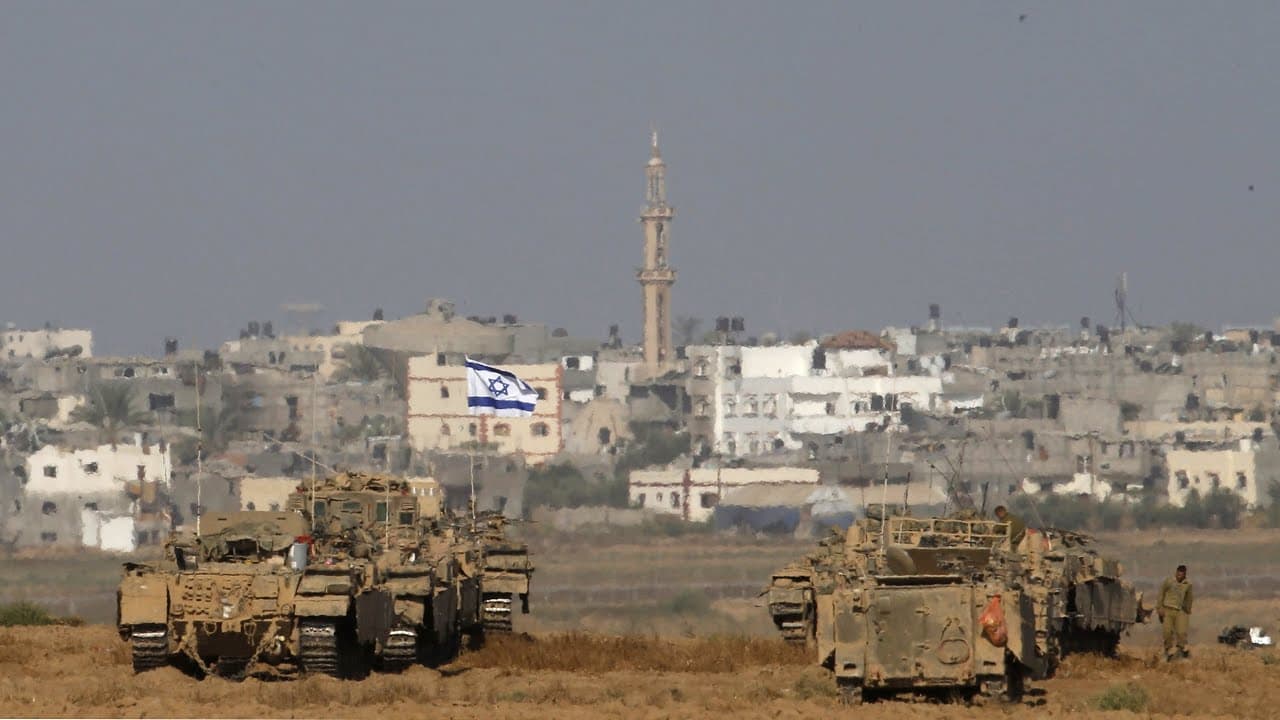
Israel and Hamas, the militant Palestinian Islamist group that controls Gaza, continue to fight despite international efforts to broker a cease-fire. This is the third time Israel and Hamas have engaged in intensive battle since Israel's Cast Lead operation in 2009. The current round of fighting has already gone on longer, and produced more Palesti... Read More
Key Insights
- The ongoing conflict between Israel and Hamas is the longest and deadliest since 2009, with increased casualties on both sides.
- Neither Israel nor Hamas is eager to end the conflict, as their demands have escalated beyond what either can easily concede.
- Hamas seeks the lifting of economic and movement restrictions imposed by Israel and Egypt, while Israel aims to weaken Hamas politically and militarily.
- The conflict is part of a broader Middle Eastern power struggle, involving Hamas supporters Qatar and Turkey against Israel and most Arab League countries.
- Most Arab countries condemn the high Palestinian civilian casualties but do not support a politically triumphant Hamas.
- Traditional mediators like Egypt are now opposed to Hamas, complicating efforts to broker a cease-fire.
- Palestinian Authority President Mahmoud Abbas is currently the only party positioned to negotiate, but he lacks leverage over both sides.
- A resolution is unlikely until either party changes their demands or a credible third party facilitates an agreement.
Install to Summarize YouTube Videos and Get Transcripts
Explore YouTube Video Summarizer or Get YouTube Transcript Extractor
Questions & Answers
Q: Why is the current Israel-Hamas conflict significant?
The current conflict is significant because it is the longest and deadliest since the 2009 clashes, with rising casualties and intensified demands from both sides. It reflects a broader geopolitical struggle in the Middle East, involving various regional powers and affecting the stability of the region.
Q: What are the main demands of Hamas in the conflict?
Hamas demands the lifting of economic and movement restrictions imposed by Israel and Egypt on Gaza. They seek to alleviate the economic hardships faced by the people of Gaza and gain political leverage, which they believe will justify the continued fighting against Israel.
Q: What are Israel's objectives in this conflict?
Israel aims to weaken Hamas both politically and militarily. They want to deprive Hamas of any political or economic benefits from the conflict and seek the removal of Hamas's rocket inventory and underground tunnels, which pose a security threat to Israel.
Q: How does the conflict relate to broader Middle Eastern dynamics?
The conflict is part of a larger Middle Eastern power struggle, with Hamas's supporters, Qatar and Turkey, opposing Israel and most Arab League countries. The regional dynamics influence the positions of various countries, complicating efforts to mediate a cease-fire and affecting the political landscape of the region.
Q: Why is Egypt not mediating in the current conflict?
Egypt is not mediating because it is implacably opposed to Hamas, viewing it as an extension of the banned Muslim Brotherhood. This opposition marks a shift from previous conflicts where Egypt played a key role in brokering cease-fires between Israel and Hamas.
Q: What role does the Palestinian Authority play in the conflict?
The Palestinian Authority, led by President Mahmoud Abbas, is currently the only party positioned to negotiate with both Israel and Hamas. However, Abbas lacks significant leverage or incentives to offer either side, limiting his ability to mediate effectively and bring about a cease-fire.
Q: What are the challenges in achieving a cease-fire?
Challenges in achieving a cease-fire include the escalated demands of both Israel and Hamas, the lack of a credible mediator with influence over both parties, and the broader geopolitical dynamics that complicate negotiations. Without changes in demands or effective mediation, a resolution remains unlikely.
Q: What impact does the conflict have on the region?
The conflict exacerbates regional tensions and instability, influencing the political dynamics of the Middle East. It affects relations between regional powers, impacts humanitarian conditions in Gaza, and poses security challenges for neighboring countries, contributing to a complex geopolitical environment.
Summary & Key Takeaways
-
The conflict between Israel and Hamas has intensified, with both sides unwilling to compromise, making a cease-fire difficult to achieve. Hamas demands the lifting of economic restrictions, while Israel seeks to weaken Hamas politically and militarily.
-
The crisis is part of a larger regional power struggle involving Qatar and Turkey on Hamas's side, and Israel with most Arab League countries. Despite condemning civilian casualties, Arab states do not support a politically strong Hamas.
-
Traditional mediators like Egypt are now against Hamas, seeing it as an extension of the banned Muslim Brotherhood. Palestinian Authority President Mahmoud Abbas is positioned to mediate but lacks influence over either side.
Read in Other Languages (beta)
Share This Summary 📚
Summarize YouTube Videos and Get Video Transcripts with 1-Click
Try YouTube Summary with ChatGPT & Claude or YouTube Transcript Generator
Explore More Summaries from Council on Foreign Relations 📚

Summarize YouTube Videos and Get Video Transcripts with 1-Click
Try YouTube Summary with ChatGPT & Claude or YouTube Transcript Generator