How bite marks made one man a murder suspect | Part 1
TL;DR
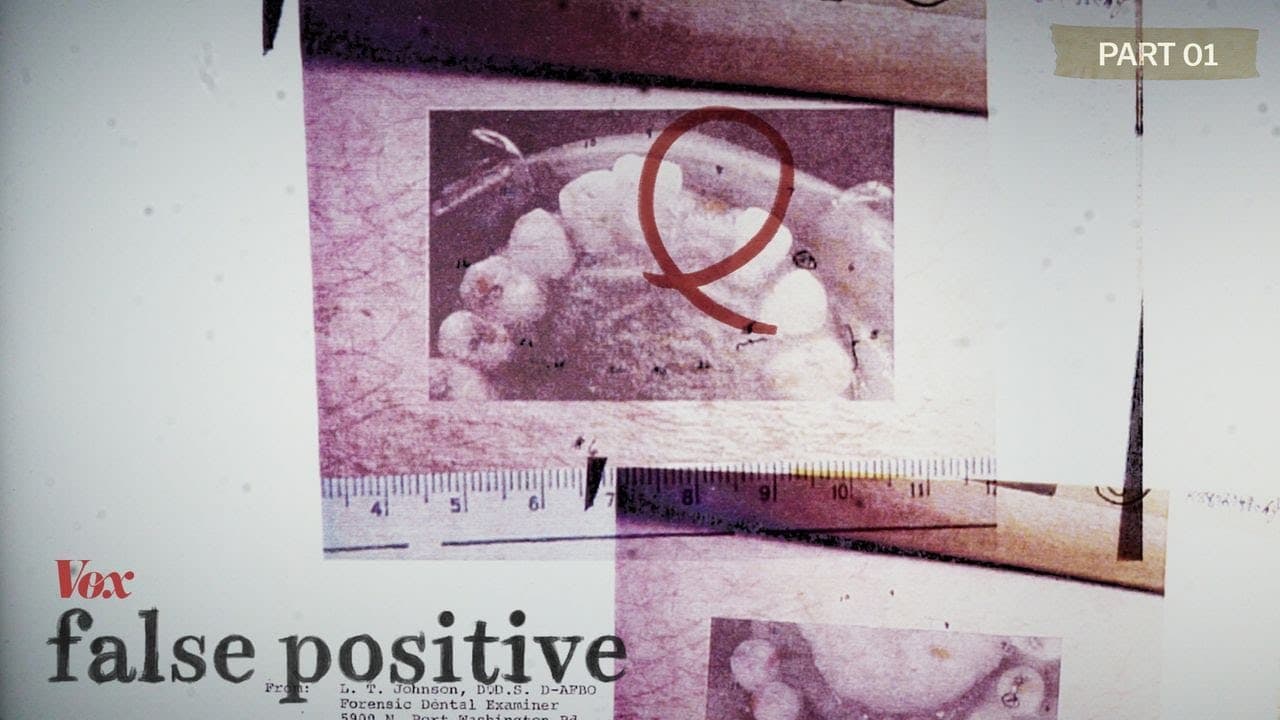
Bite mark evidence implicated Robert Stinson in a murder case.
Transcript
At 6:45 in the morning of November 3, 1984, a man walked into a police station on the North side of Milwaukee to report that he’d found what appeared to be a body, lying in a lot near his home. That’s where police discovered 63-year-old Ione Cychosz, wearing only “a pair of white socks and a left shoe.” Her blue shirt and bra were pulled up behind ... Read More
Key Insights
- The discovery of 63-year-old Ione Cychosz's body in 1984 led to a murder investigation that heavily relied on bite mark evidence.
- Bite mark analysis was a key factor in suspecting Robert Lee Stinson, who was eventually convicted despite the lack of established scientific backing for the method.
- The case highlights the limitations and subjectivity of forensic pattern matching disciplines, which are often portrayed as infallible in media.
- Forensic odontology, the study of dental evidence, was used to identify suspects by bite marks, a practice that began in the 1970s.
- The legal system's reliance on precedent can conflict with the evolving nature of scientific understanding, as seen in the Stinson case.
- Despite the lack of scientific validation, bite mark evidence became widely accepted in courts due to influential cases like People vs. Marx.
- The documentary 'False Positive' explores the broader issues of unreliable forensic science in the U.S. justice system.
- Robert Lee Stinson's case exemplifies how forensic evidence, when not thoroughly validated, can lead to wrongful convictions.
Install to Summarize YouTube Videos and Get Transcripts
Explore YouTube Video Summarizer or Get YouTube Transcript Extractor
Questions & Answers
Q: What led to Robert Lee Stinson's arrest in the murder case?
Robert Lee Stinson was arrested primarily due to bite mark evidence found on the victim, Ione Cychosz. Forensic odontologists claimed that Stinson's dental structure matched the bite marks, despite the lack of other evidence like eyewitnesses or a confession. The reliance on this controversial forensic method was a key factor in his arrest and subsequent conviction.
Q: How does the documentary 'False Positive' relate to Robert Lee Stinson's case?
The documentary 'False Positive' delves into the conviction of Robert Lee Stinson, focusing on the role of unreliable forensic science, particularly bite mark analysis, in his wrongful conviction. It highlights the structural and cultural issues within the U.S. criminal justice system that allow such flawed methods to impact legal decisions, leading to potential miscarriages of justice.
Q: What are some criticisms of bite mark analysis as a forensic method?
Bite mark analysis has been criticized for its lack of scientific validation and the subjective nature of its assessments. The method's reliability has been questioned due to the absence of standardized protocols and the potential for significant errors. Despite these issues, it has been accepted in courts largely due to legal precedents rather than empirical evidence, leading to concerns about wrongful convictions.
Q: Why is the reliance on precedent problematic in forensic science cases?
The reliance on precedent in forensic science cases is problematic because it prioritizes consistency over scientific accuracy. Legal decisions based on past rulings may not reflect current scientific understanding, as the field evolves with new research and findings. This can lead to the continued use of unreliable methods, such as bite mark analysis, in legal proceedings, risking wrongful convictions.
Q: What role did forensic odontologists play in Robert Lee Stinson's conviction?
Forensic odontologists played a crucial role in Robert Lee Stinson's conviction by asserting that his dental structure matched the bite marks found on the victim. Their testimony, based on subjective assessments and lacking scientific rigor, was pivotal in the case, despite the absence of other corroborating evidence. This highlights the influence of forensic experts in legal outcomes, even when the methods used are questionable.
Q: How has media portrayal of forensic science influenced public perception?
Media portrayals of forensic science, often seen in shows like CSI, have contributed to a perception of forensic methods as infallible and high-tech. This contrasts with the reality of many forensic disciplines, which can be subjective and lack empirical validation. Such portrayals can lead to overconfidence in forensic evidence in legal contexts, affecting jury decisions and public understanding of forensic reliability.
Q: What impact did the People vs. Marx case have on forensic bite mark analysis?
The People vs. Marx case in 1975 was a pivotal moment for forensic bite mark analysis, as it was one of the first cases to admit bite mark evidence in court. Despite acknowledging the lack of established science behind the method, the case set a precedent that influenced future legal decisions. This contributed to the widespread acceptance of bite mark analysis in the judicial system, despite its scientific shortcomings.
Q: What systemic issues does 'False Positive' highlight in the U.S. justice system?
'False Positive' highlights systemic issues in the U.S. justice system, such as the reliance on unvalidated forensic methods and the challenges of adapting legal standards to evolving scientific knowledge. The documentary emphasizes the need for rigorous scrutiny of forensic evidence to prevent wrongful convictions and calls for reforms to ensure that legal practices align with current scientific understanding.
Summary & Key Takeaways
-
The murder of Ione Cychosz in 1984 led to the arrest of Robert Lee Stinson, primarily based on bite mark evidence analyzed by forensic odontologists. Despite the lack of eyewitnesses or a confession, Stinson's missing tooth was considered a match to the bite marks found on the victim.
-
Bite mark analysis, a controversial forensic method, played a critical role in Stinson's conviction. The method's scientific validity was questionable, yet it was accepted in court due to legal precedents and the subjective assessments of forensic experts.
-
The documentary 'False Positive' examines the systemic issues within the U.S. criminal justice system that allow unreliable forensic methods to influence legal outcomes. Stinson's case serves as a cautionary tale of the potential for wrongful convictions when forensic science is not rigorously scrutinized.
Read in Other Languages (beta)
Share This Summary 📚
Summarize YouTube Videos and Get Video Transcripts with 1-Click
Try YouTube Summary with ChatGPT & Claude or YouTube Transcript Generator
Explore More Summaries from Vox 📚


Summarize YouTube Videos and Get Video Transcripts with 1-Click
Try YouTube Summary with ChatGPT & Claude or YouTube Transcript Generator