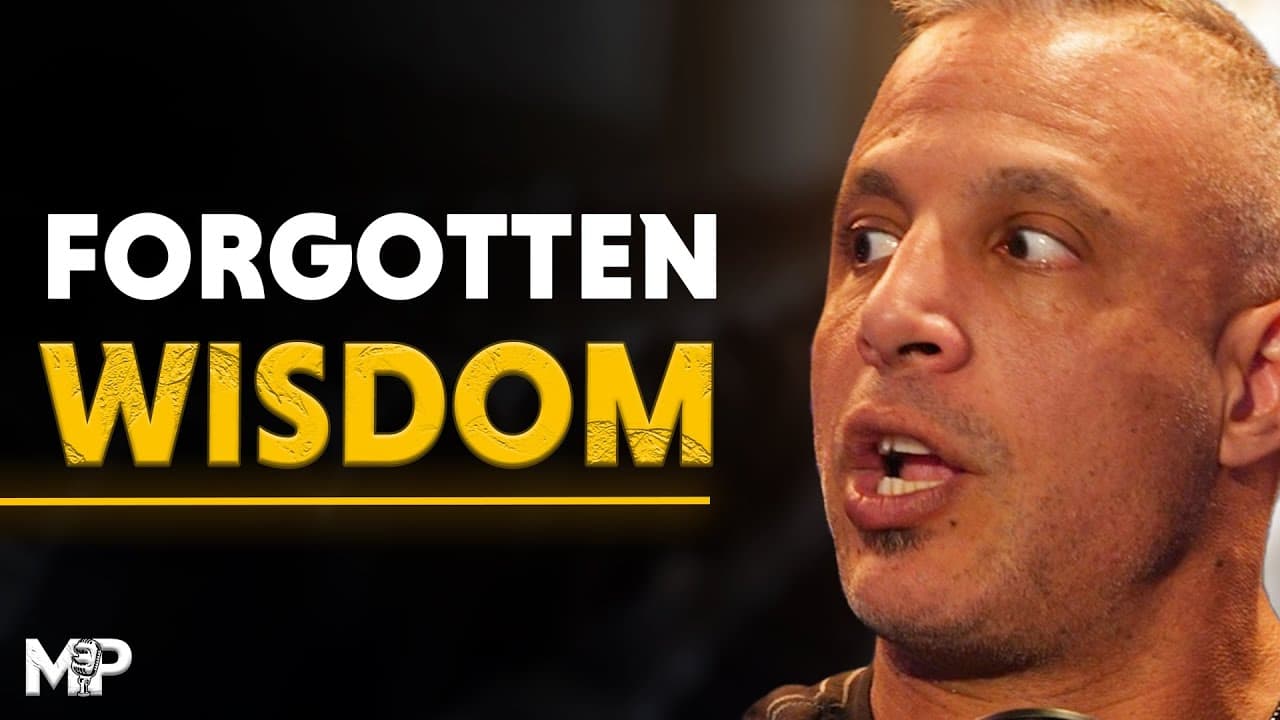
The Top 5 Fitness Tips from Soviet-Era Scientists | Mind Pump 2614
TL;DR
Soviet scientists pioneered effective strength training principles still used today.
Transcript
Some of the best science you'll ever find on strength training came out of the Soviet Union. It's true. We're going to talk about the top five fitness tips you can apply that the Soviets figured out. They were ahead of everyone else. We got to work on your topic, your clickbait titles. They could have been more like the communists have it right or ... Read More
Key Insights
- Soviet scientists were pioneers in strength training, focusing on Olympic success to validate their system.
- Their systematic approach included progressive overload, allowing gradual increases in weight to optimize long-term gains.
- Periodization was a key discovery, involving structured training cycles to enhance performance and recovery.
- The Soviets emphasized compound movements, understanding their efficiency in building strength and muscle.
- Recovery was crucial, with active rest being preferred over complete inactivity to enhance muscle repair.
- Tracking and analyzing progress scientifically helped refine training methods and understand what worked best.
- The Soviet approach contrasted with Western methods, which often relied on market-driven, less structured research.
- Despite advancements, the principles discovered by Soviet scientists remain foundational in modern strength training.
Install to Summarize YouTube Videos and Get Transcripts
Explore YouTube Video Summarizer or Get YouTube Transcript Extractor
Questions & Answers
Q: What were the key principles of Soviet strength training?
The Soviet approach to strength training focused on systematic methods like progressive overload and periodization. Progressive overload involved gradually increasing weight to optimize long-term gains, while periodization structured training cycles for enhanced performance. They also emphasized compound movements and active recovery, which are still foundational in modern fitness.
Q: How did the Soviet Union's training methods differ from Western approaches?
The Soviet Union's training methods were highly systematic and scientifically driven, focusing on Olympic success to validate their system. In contrast, Western approaches were often market-driven, with less structured research and funding. This led to the Soviets being ahead in understanding effective training principles like progressive overload and periodization.
Q: Why is progressive overload important in strength training?
Progressive overload is crucial because it involves gradually increasing the weight lifted, allowing for continuous adaptation and long-term gains. This method prevents plateaus and overtraining by ensuring that the body is consistently challenged, leading to improved strength and muscle development over time.
Q: What role did periodization play in Soviet training methods?
Periodization was a key component of Soviet training, involving structured cycles of varying intensity and volume. This approach helped manage fatigue, optimize recovery, and enhance performance. By planning training phases, athletes could peak at the right times and avoid overtraining, contributing to their success in strength sports.
Q: How did the Soviets view recovery in their training programs?
The Soviets placed significant emphasis on recovery, understanding that it was crucial for muscle repair and growth. They preferred active rest, such as light movement or stretching, over complete inactivity. This approach helped maintain blood flow and facilitated faster recovery, allowing athletes to train more effectively.
Q: What impact did Soviet training methods have on modern fitness?
Soviet training methods have had a lasting impact on modern fitness by establishing foundational principles like progressive overload and periodization. Their scientific approach to training, recovery, and tracking progress has influenced contemporary strength training practices, making them more effective and systematic.
Q: Why was tracking and analyzing progress important to Soviet scientists?
Tracking and analyzing progress allowed Soviet scientists to refine their training methods and understand what worked best. By recording every detail, from reps to sleep hours, they could make data-driven decisions to optimize performance. This scientific approach ensured that training was effective and tailored to individual needs.
Q: What challenges did Western countries face in adopting Soviet training methods?
Western countries faced challenges in adopting Soviet training methods due to differences in funding and research approaches. The Soviets had government support for their scientific programs, while Western methods were often market-driven and less structured. This led to a slower adoption of effective principles like progressive overload and periodization.
Summary & Key Takeaways
-
The podcast discusses the advanced strength training techniques developed by Soviet scientists during the Cold War era. These techniques, aimed at Olympic success, included systematic approaches like progressive overload and periodization, which are still relevant today. The Soviets' scientific approach to training, recovery, and tracking progress significantly influenced modern fitness practices.
-
Soviet scientists' focus on Olympic achievements led them to develop groundbreaking strength training methods. Their understanding of progressive overload and periodization allowed athletes to optimize long-term gains. The emphasis on compound movements and active recovery further contributed to their success, setting a foundation for contemporary fitness training.
-
The episode highlights the Soviet Union's role in pioneering effective strength training techniques. By employing a scientific approach, they discovered key principles like progressive overload and periodization. These methods, along with a focus on compound movements and recovery, have had a lasting impact on modern fitness and athletic training.
Read in Other Languages (beta)
Share This Summary 📚
Summarize YouTube Videos and Get Video Transcripts with 1-Click
Try YouTube Summary with ChatGPT & Claude or YouTube Transcript Generator
Explore More Summaries from Mind Pump Show 📚




Summarize YouTube Videos and Get Video Transcripts with 1-Click
Try YouTube Summary with ChatGPT & Claude or YouTube Transcript Generator