Christine Lagarde on Multilateralism in Global Economy
TL;DR
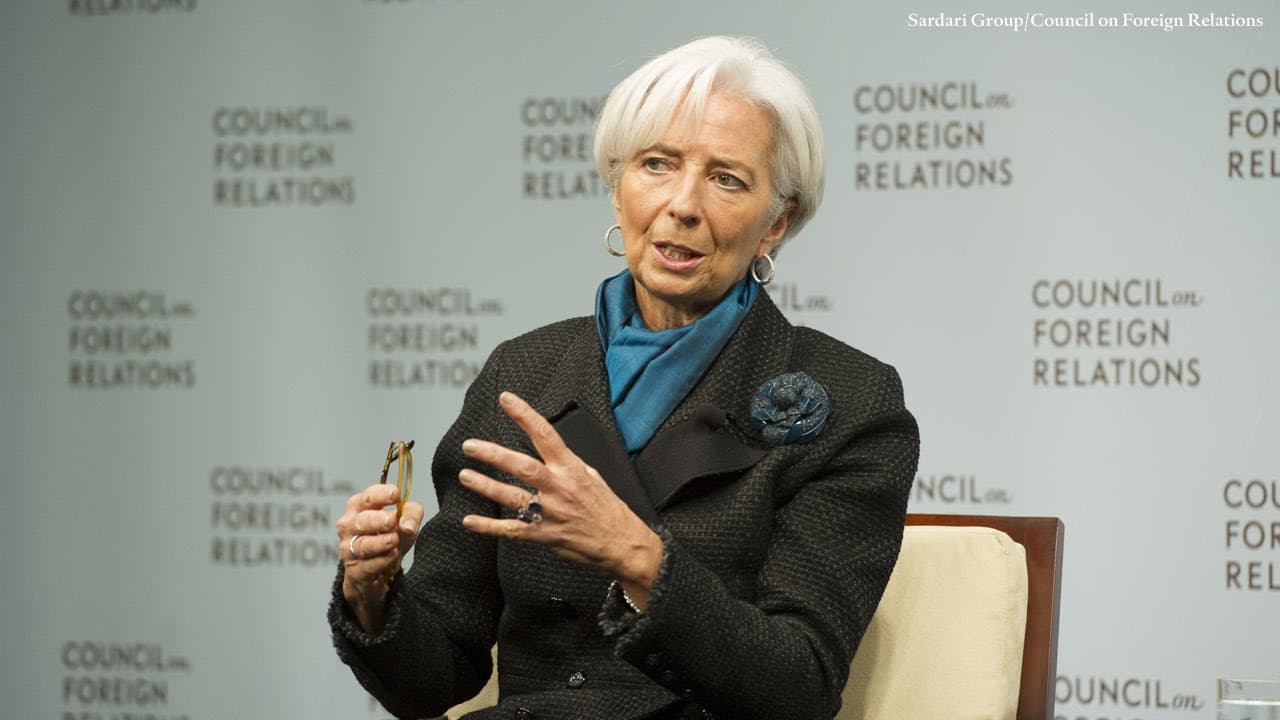
Christine Lagarde discusses the importance of multilateral cooperation to address global economic challenges. She highlights three main policy challenges: boosting growth, achieving inclusive growth, and ensuring sustainable growth. Lagarde emphasizes the need for structural reforms, infrastructure investment, gender equality, and financial regulation to support these goals.
Transcript
FARRELL: Good morning. Thank you all for joining us. I have the distinct privilege today of welcoming you to the Council on Foreign Relations, and the honor of presenting the IMF's managing director, Madame Lagarde, on her first public appearance of the year, I understand. Clearly she needs no introduction, but I do want to highlight what I think i... Read More
Key Insights
- The global economy faces strong headwinds despite lower oil prices and stronger U.S. growth.
- Three major policy challenges are boosting growth, achieving inclusive growth, and ensuring sustainable growth.
- Lower oil prices provide an opportunity to reduce fossil fuel subsidies and consider carbon taxes.
- Structural reforms, particularly in labor markets and infrastructure, are essential for sustainable growth.
- Gender equality in the workforce can significantly boost economic growth.
- Financial regulation remains crucial for sustainable economic growth and stability.
- International cooperation is needed for trade liberalization and to address climate change.
- The IMF's 2010 reforms, aimed at better global representation, remain unratified by the U.S.
Install to Summarize YouTube Videos and Get Transcripts
Explore YouTube Video Summarizer or Get YouTube Transcript Extractor
Questions & Answers
Q: What are the main policy challenges facing the global economy?
The global economy faces three major policy challenges: boosting growth and creating employment, achieving more inclusive and better shared growth, and ensuring that growth is sustainable and balanced. These challenges require political courage, decisive action, and multilateral cooperation to address effectively.
Q: How do lower oil prices affect the global economy?
Lower oil prices provide a positive contribution to global growth by increasing consumer purchasing power and private demand in oil-importing countries. However, they are not a cure for deep-seated economic weaknesses and can contribute to deflationary pressures, particularly in the Euro area and Japan, where they may exacerbate low inflation concerns.
Q: Why is gender equality important for economic growth?
Gender equality is crucial for economic growth as it unlocks the economic potential of women, who are often underrepresented in the workforce. Increasing female labor force participation can significantly boost economic output, reduce inequality, and contribute to more inclusive and sustainable growth. Policies like investment in childcare and legal reforms can help achieve this.
Q: What role does infrastructure investment play in economic growth?
Infrastructure investment is vital for boosting both short-term demand and long-term productivity. Efficient and well-chosen infrastructure projects can increase economic output by improving transportation, energy, and other critical systems. This investment is essential for removing bottlenecks and enhancing the productive capacity of economies, contributing to sustainable growth.
Q: How can financial regulation support sustainable economic growth?
Financial regulation is essential for ensuring economic stability and preventing crises. Completing the agenda on financial sector reform, including banking regulation and addressing 'too important to fail' institutions, is crucial. Additionally, regulating the shadow banking sector and fostering ethical behavior in the financial industry are important for maintaining trust and sustainability.
Q: What is the significance of multilateral cooperation in addressing global economic challenges?
Multilateral cooperation is crucial for addressing global economic challenges as it allows for coordinated policy responses to issues like trade liberalization, climate change, and financial stability. Institutions like the IMF play a key role in fostering this cooperation, ensuring that policies are effective and inclusive, and that global economic governance is representative of all countries.
Q: What are the IMF's 2010 reforms, and why are they important?
The IMF's 2010 reforms aim to better represent the global community by increasing the voice and quota of underrepresented countries, including emerging market economies. These reforms are important for enhancing the IMF's legitimacy and effectiveness in addressing global economic challenges. However, they remain unratified by the U.S., delaying their implementation.
Q: How does trade liberalization contribute to economic growth?
Trade liberalization contributes to economic growth by removing barriers to trade, increasing market access, and fostering competition. Agreements like the Trans Pacific Partnership (TPP) and the Transatlantic Trade and Investment Partnership (TTIP) aim to enhance trade between regions, boosting economic output and integration. Political will and cooperation are necessary to finalize these agreements and realize their potential benefits.
Summary & Key Takeaways
-
Christine Lagarde emphasizes the need for multilateral cooperation to tackle global economic challenges. She outlines three main policy challenges: boosting growth, achieving inclusive growth, and ensuring sustainable growth. Lagarde stresses the importance of structural reforms, infrastructure investment, and gender equality in achieving these goals.
-
Lagarde discusses the positive impact of lower oil prices on the global economy but warns that they are not a cure for underlying weaknesses. She advocates for reducing fossil fuel subsidies and considering carbon taxes to build fiscal buffers and fund infrastructure projects.
-
Financial regulation and international cooperation are key to sustainable economic growth. Lagarde highlights the importance of completing financial sector reforms, supporting international development goals, and reaching a global agreement on climate change.
Read in Other Languages (beta)
Share This Summary 📚
Summarize YouTube Videos and Get Video Transcripts with 1-Click
Try YouTube Summary with ChatGPT & Claude or YouTube Transcript Generator
Explore More Summaries from Council on Foreign Relations 📚
Summarize YouTube Videos and Get Video Transcripts with 1-Click
Try YouTube Summary with ChatGPT & Claude or YouTube Transcript Generator