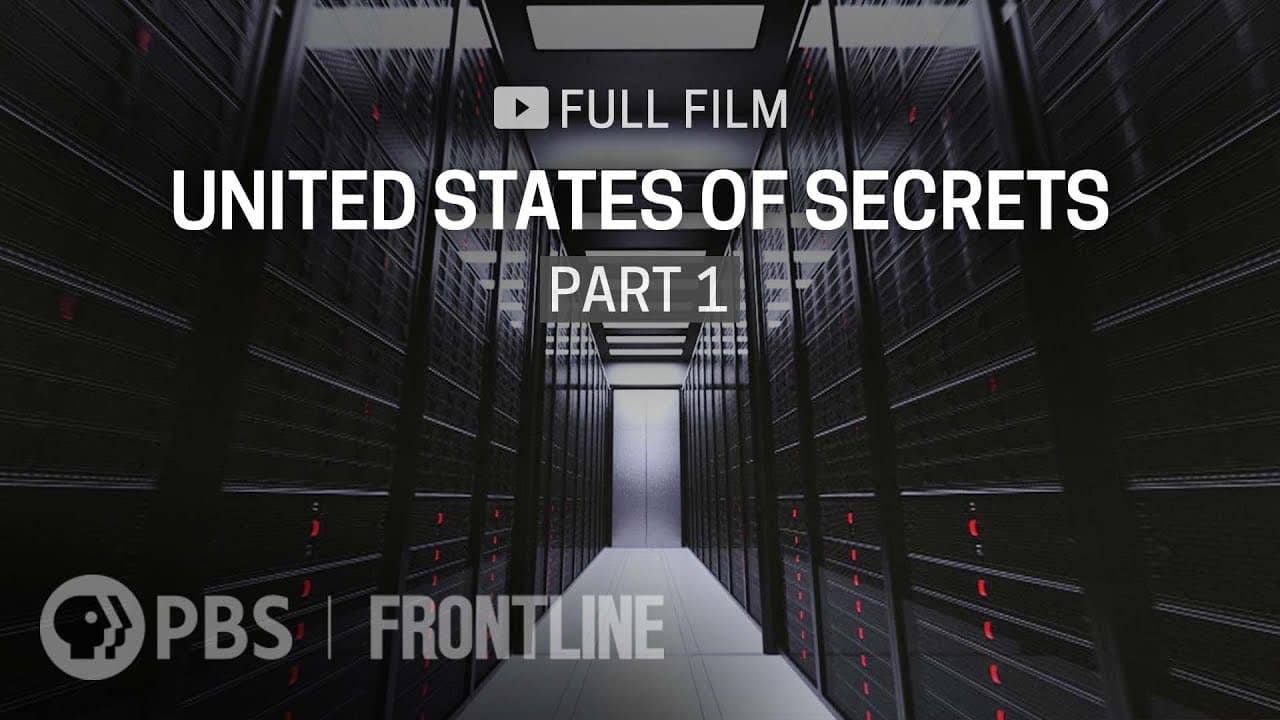
What Is the NSA's 'The Program' and Its Impact on Privacy?
TL;DR
The NSA's 'The Program' began after 9/11, enabling mass surveillance of American citizens without warrants, justified by officials as necessary for national security. Edward Snowden's revelations exposed these practices, raising serious ethical and legal concerns about privacy infringements and the accountability of government actions in the name of security.
Transcript
at the national security agency they called it the program we are under emergency conditions created after extraordinary means are required to deal with a threat collecting data on american citizens you're looking for unknown conspirators and the way they devised to do that was to look at everybody secrets at the highest levels of government a whol... Read More
Key Insights
- 🥺 The NSA's surveillance program originated in the wake of 9/11, leading to aggressive data collection strategies that undermine citizens' privacy rights.
- 📜 Edward Snowden dramatically shifted the public's awareness of government surveillance practices by leaking sensitive documents to journalists.
- 🤨 Government officials justified bypassing legal constraints as necessary for national security, raising concerns about accountability and ethics.
- 🌍 Whistleblowers like Thomas Drake highlight the complex struggle between protecting citizen privacy and national security interests, often at personal risk.
- 😀 Media outlets faced moral dilemmas in balancing national security concerns against the public's right to know about government overreach.
- ✊ The reinterpretation of FISA regulations enabled unchecked surveillance activities, expanding executive power without proper oversight.
- 🥺 The challenges faced by leakers demonstrate the high stakes of dissent within governmental and intelligence agencies, often leading to severe repercussions.
Install to Summarize YouTube Videos and Get Transcripts
Explore YouTube Video Summarizer or Get YouTube Transcript Extractor
Questions & Answers
Q: What triggered the development of the NSA’s mass surveillance program?
The attacks on September 11, 2001, created a sense of urgency for U.S. intelligence agencies to prevent future terrorist events, prompting the NSA to propose aggressive surveillance measures without warrants to collect vast amounts of data on American citizens as a preventative strategy.
Q: How did Edward Snowden come to leak classified NSA documents?
Edward Snowden, a former NSA contractor, grew increasingly uncomfortable with the extent of surveillance being conducted on ordinary Americans. His decision to leak documents to journalists stemmed from his belief that the public had a right to know about the government's invasive practices.
Q: What was the reaction of the media and government to Snowden's revelations?
The media's initial reaction involved intense scrutiny and a mix of alarm and skepticism. The government, including figures like Vice President Cheney, expressed outrage, viewing Snowden's actions as a severe breach of national security and responded with efforts to contain the fallout.
Q: What legal challenges did Thomas Drake face after raising concerns about the NSA's activities?
Thomas Drake, an NSA whistleblower, faced indictment under the Espionage Act after he alleged that the agency was unlawfully surveilling American citizens. Despite the serious nature of the charges, they were ultimately dropped due to a lack of evidence tying him to classified leaks.
Q: How did the NSA initially justify their surveillance program to the administration?
The NSA argued that after 9/11, data collection was essential for national security and that the President's Article II authority as Commander-in-Chief permitted such surveillance without warrants. This rationale was supported by a small group of legal advisors who focused on immediate security needs.
Q: In what ways did the FISA amendments impact NSA operations?
The FISA amendments formalized the NSA’s ability to conduct warrantless surveillance on a broader scale, transforming previous prohibitions into legal frameworks, thus enhancing their capacity to gather data on communications broadly under the guise of national security.
Q: Why was the New York Times initially hesitant to publish stories about the NSA surveillance program?
The New York Times was concerned about national security implications and pressures from the government, which warned that revealing the program could jeopardize important intelligence operations and potentially lead to further terrorist attacks.
Q: What methods did Edward Snowden use to protect his identity while leaking documents?
Snowden utilized advanced encryption tools and secure communication methods to anonymize his correspondence with journalists. He meticulously organized the information he provided to ensure that it was verifiable and highlighted the ethical concerns surrounding the NSA's activities.
Summary & Key Takeaways
-
The content reveals how the NSA initiated a mass surveillance program post-9/11, authorized by President Bush without public knowledge, raising ethical and legal concerns about privacy infringements.
-
Glenn Greenwald and Laura Poitras' investigative efforts led them to Edward Snowden, who disclosed extensive classified documents demonstrating the NSA's invasive data collection on American citizens.
-
The film illustrates the challenges faced by whistleblowers like Snowden and Thomas Drake, highlighting their struggles against government secrecy and potential legal repercussions for exposing perceived injustices.
Read in Other Languages (beta)
Share This Summary 📚
Summarize YouTube Videos and Get Video Transcripts with 1-Click
Try YouTube Summary with ChatGPT & Claude or YouTube Transcript Generator
Explore More Summaries from FRONTLINE PBS | Official 📚




Summarize YouTube Videos and Get Video Transcripts with 1-Click
Try YouTube Summary with ChatGPT & Claude or YouTube Transcript Generator