What Is Jane Elliott's Discrimination Lesson About?
TL;DR
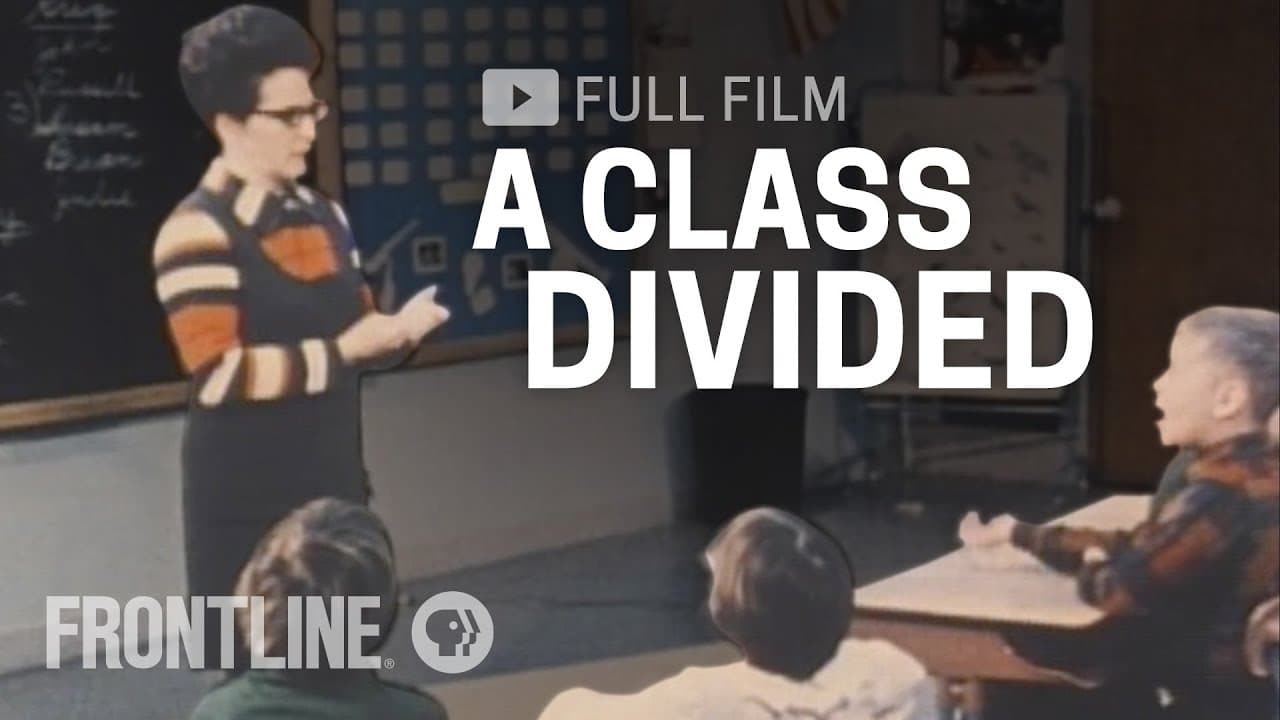
Jane Elliott's lesson on discrimination divides students by eye color to demonstrate the arbitrary nature of prejudice. The exercise reveals how quickly children adopt discriminatory behaviors and shows that self-esteem and academic performance can shift based on perceived social status. It's been utilized in various environments, including workplaces and prisons, to foster empathy and understanding around issues of racism.
Transcript
Read and summarize the transcript of this video on Glasp Reader (beta).
Key Insights
- Jane Elliott's experiment divided students by eye color to simulate discrimination, showing its immediate impact on behavior and self-esteem.
- The experiment was inspired by Martin Luther King Jr.'s assassination, highlighting the urgent need for practical lessons on racism.
- Students quickly adopted discriminatory behaviors, illustrating how easily prejudice can be taught and internalized.
- The exercise demonstrated that academic performance could be affected by perceived social status, with students performing better when they felt superior.
- Jane Elliott's approach has been used in various settings, including prisons and workplaces, to teach about prejudice and discrimination.
- Participants in the exercise often experience frustration and anger, providing insight into the emotional toll of being discriminated against.
- The exercise emphasizes the importance of empathy and understanding, encouraging participants to reflect on their own biases and behaviors.
- Although effective, Elliott cautions that the exercise must be conducted carefully to avoid causing harm, particularly to children.
Install to Summarize YouTube Videos and Get Transcripts
Explore YouTube Video Summarizer or Get YouTube Transcript Extractor
Questions & Answers
Q: What inspired Jane Elliott to conduct the discrimination exercise?
Jane Elliott was inspired to conduct the discrimination exercise following the assassination of Martin Luther King Jr. She realized the need for a concrete lesson on racism, as mere discussions were insufficient to convey the gravity of discrimination to her third-grade students in an all-white Iowa town.
Q: How did the students react to the discrimination exercise?
The students quickly adopted discriminatory behaviors, with those in the superior group exhibiting arrogance and those in the inferior group feeling demoralized. This change in behavior highlighted how easily prejudice can be taught and internalized, even among young children who were initially cooperative and thoughtful.
Q: What impact did the exercise have on academic performance?
The exercise showed that academic performance could be influenced by perceived social status. Students performed better on academic tasks when they were in the superior group, suggesting that confidence and self-esteem play significant roles in learning and achievement.
Q: How has Jane Elliott's exercise been used outside of the classroom?
Jane Elliott's exercise has been adapted for use in various settings, including prisons and workplaces, to address issues of prejudice and discrimination. It has been used to train corrections officers and other professionals, helping them understand the emotional impact of discrimination and encouraging empathy and reflection on personal biases.
Q: What emotional responses do participants experience during the exercise?
Participants often experience frustration, anger, and a sense of powerlessness during the exercise. These emotions provide insight into the emotional toll of discrimination and help participants empathize with the experiences of marginalized groups, fostering a deeper understanding of the impact of prejudice.
Q: What precautions does Jane Elliott suggest for conducting the exercise?
Jane Elliott emphasizes that the exercise must be conducted carefully to avoid causing harm, particularly to children. She suggests that it should be used primarily with teachers and administrators who can learn to conduct it responsibly, ensuring that it is done for the right reasons and in the right way.
Q: What long-term effects did the exercise have on the students?
The exercise had a lasting impact on the students, many of whom reported a greater understanding of discrimination and empathy for marginalized groups. Years later, they still reflected on the lesson, indicating that it fostered a more inclusive and empathetic mindset that persisted into adulthood.
Q: How does the exercise challenge societal norms and behaviors?
The exercise challenges societal norms by exposing how easily discriminatory behaviors can be learned and perpetuated. It encourages participants to reflect on their own biases and the impact of societal structures that reinforce discrimination, promoting a more inclusive and equitable approach to human relations.
Summary & Key Takeaways
-
Jane Elliott's discrimination lesson, conducted after Martin Luther King Jr.'s assassination, divided students by eye color to teach about racism. The exercise showed how quickly prejudice can be learned and its impact on behavior and academic performance.
-
The lesson has been used in various settings, including prisons and workplaces, to address discrimination. Participants often feel anger and frustration, mirroring the emotional experiences of marginalized groups, and learn to empathize with those facing prejudice.
-
Elliott emphasizes the need for careful implementation of the exercise to avoid harm, suggesting it could be beneficial for teachers and administrators to learn and conduct the lesson responsibly.
Read in Other Languages (beta)
Share This Summary 📚
Summarize YouTube Videos and Get Video Transcripts with 1-Click
Try YouTube Summary with ChatGPT & Claude or YouTube Transcript Generator
Explore More Summaries from FRONTLINE PBS | Official 📚






Summarize YouTube Videos and Get Video Transcripts with 1-Click
Try YouTube Summary with ChatGPT & Claude or YouTube Transcript Generator