How to Transform Transportation with Electric Buses
TL;DR
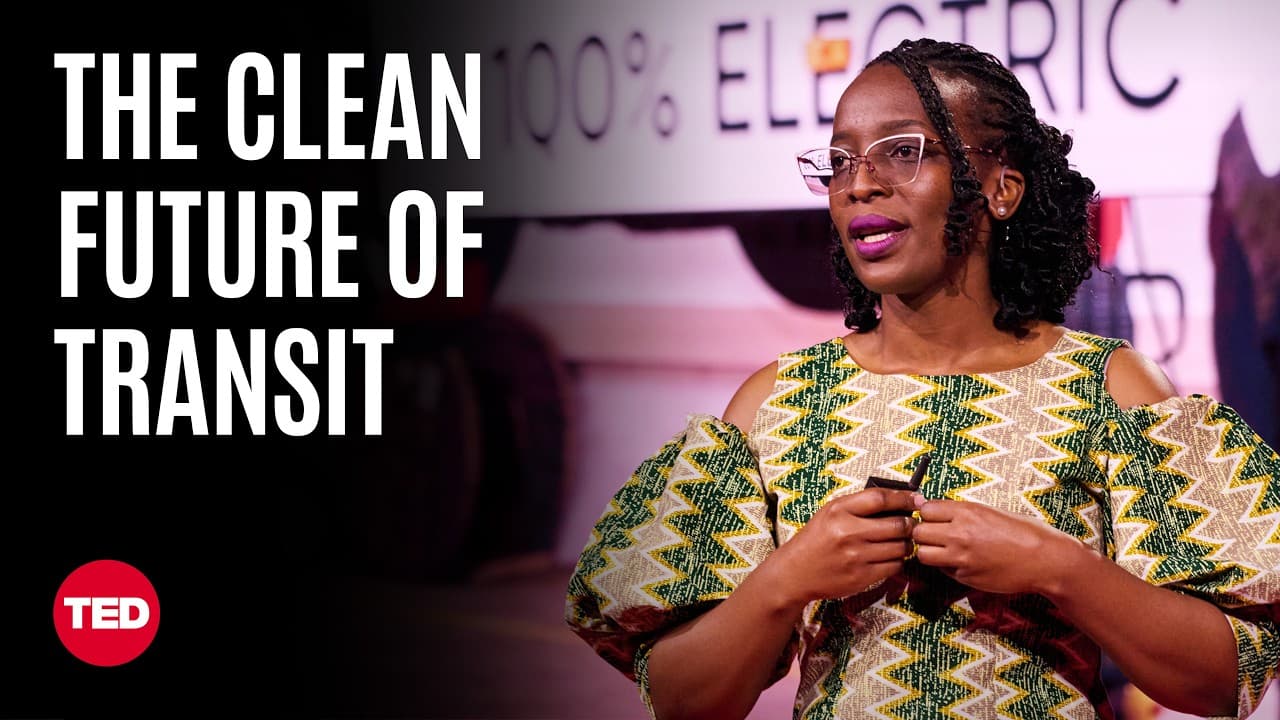
Electric buses offer a cleaner, cheaper, and quieter alternative to diesel buses, particularly in Africa where renewable energy is abundant. Companies like BasiGo are leading the charge by providing locally assembled electric buses and building necessary infrastructure. Despite challenges, such as range anxiety and high upfront costs, electric mobility is proving viable and impactful in reducing carbon emissions.
Transcript
When you sit in your car or any car, do you ever wonder how many parts that car is made of? Anyone? Oh, great. Do you also ever wonder what does it really take to put all this together? Anyone? Oh, great. Now let me get to it. How many of you have ever built a car from scratch? Oh, great, good to see you. Absolutely. And I’m also honored to say tha... Read More
Key Insights
- Electric buses are a cost-effective alternative to diesel buses.
- BasiGo provides electric buses in Kenya and Rwanda, supporting over 30,000 daily commuters.
- Electricity in Kenya and Rwanda is cheaper and cleaner due to local renewable sources.
- Local assembly of electric buses reduces costs and creates jobs.
- BasiGo builds charging infrastructure to alleviate range anxiety.
- A lease model called Pay-As-You-Drive reduces upfront investment for operators.
- Electric buses in Africa can mitigate up to 50 tonnes of CO2 annually.
- Africa, with its renewable energy, can lead the electric mobility movement.
Install to Summarize YouTube Videos and Get Transcripts
Explore YouTube Video Summarizer or Get YouTube Transcript Extractor
Questions & Answers
Q: How do electric buses compare to diesel buses in terms of cost?
Electric buses are generally cheaper to operate than diesel buses, especially in regions like Kenya and Rwanda where electricity is generated from local renewable sources such as hydro and wind. This makes electricity not only cheaper but also cleaner compared to imported diesel, providing a cost-effective transportation solution.
Q: What challenges does electric mobility face in Africa?
Electric mobility in Africa faces several challenges, including range anxiety, high upfront costs of electric vehicles, and limited charging infrastructure. These hurdles slow down adoption, but companies like BasiGo are addressing them by building charging stations, offering innovative financing models, and designing vehicles suited to local conditions.
Q: How is BasiGo supporting the adoption of electric buses?
BasiGo supports the adoption of electric buses by providing a lease model called Pay-As-You-Drive, which reduces the need for heavy upfront investment by operators. They also focus on building charging infrastructure and service centers, ensuring the buses are locally assembled to cut costs and create jobs, thus facilitating a smoother transition to electric mobility.
Q: What environmental benefits do electric buses offer?
Electric buses offer significant environmental benefits, notably the reduction of CO2 emissions. In Africa, where electricity is largely sourced from renewables, replacing a diesel bus with an electric one can mitigate up to 50 tonnes of CO2 annually. This substantial reduction in emissions highlights the positive impact of transitioning to electric mobility.
Q: How does BasiGo address range anxiety with electric buses?
BasiGo addresses range anxiety by constructing strategically located charging stations near bus routes, allowing buses to recharge in about one and a half to two hours. This infrastructure, combined with high-torque motors and regenerative braking systems, ensures that their electric buses can handle local terrain and operational demands efficiently.
Q: Why is local assembly of electric buses important?
Local assembly of electric buses is crucial as it reduces costs and fosters local manufacturing capabilities, creating jobs and supporting economic growth. BasiGo's approach to assembling buses locally in Nairobi not only lowers expenses but also builds critical skills and infrastructure within the community, enhancing the sustainability of the electric mobility initiative.
Q: What role does renewable energy play in electric mobility in Africa?
Renewable energy plays a pivotal role in electric mobility in Africa, where over 90% of electricity in regions like East Africa is derived from renewable sources. This abundance of clean energy makes electric vehicles particularly viable, as they can operate with a lower carbon footprint, amplifying their environmental benefits compared to regions relying on fossil fuels.
Q: How does BasiGo ensure the maintenance of electric buses?
BasiGo ensures the maintenance of electric buses by establishing service centers in Kenya and Rwanda, equipped with trained staff, specialized tools, and parts inventory. This setup minimizes downtime and addresses the intimidation new technology can pose, ensuring that operators have the support needed to maintain efficient and reliable bus operations.
Summary & Key Takeaways
-
Electric buses present a sustainable and economical solution to transportation challenges in Africa, where renewable energy is plentiful. BasiGo, a key player, offers locally assembled buses and builds charging infrastructure to support electric mobility. Despite hurdles like range anxiety and initial costs, the environmental and social benefits make electric buses a promising alternative.
-
BasiGo's innovative lease model, Pay-As-You-Drive, minimizes the financial burden on operators, facilitating the adoption of electric buses. By locally assembling buses and establishing service centers, they ensure efficient operations and job creation. The environmental impact is significant, with each electric bus replacing a diesel bus mitigating substantial CO2 emissions.
-
Africa's potential to lead in electric mobility is underscored by its high renewable energy capacity. BasiGo's success in Kenya and Rwanda demonstrates the viability of zero-carbon transport without government subsidies. The commitment to overcoming challenges like charging infrastructure and maintenance is driving a transformative shift in public transportation.
Read in Other Languages (beta)
Share This Summary 📚
Summarize YouTube Videos and Get Video Transcripts with 1-Click
Try YouTube Summary with ChatGPT & Claude or YouTube Transcript Generator
Explore More Summaries from TED 📚





Summarize YouTube Videos and Get Video Transcripts with 1-Click
Try YouTube Summary with ChatGPT & Claude or YouTube Transcript Generator