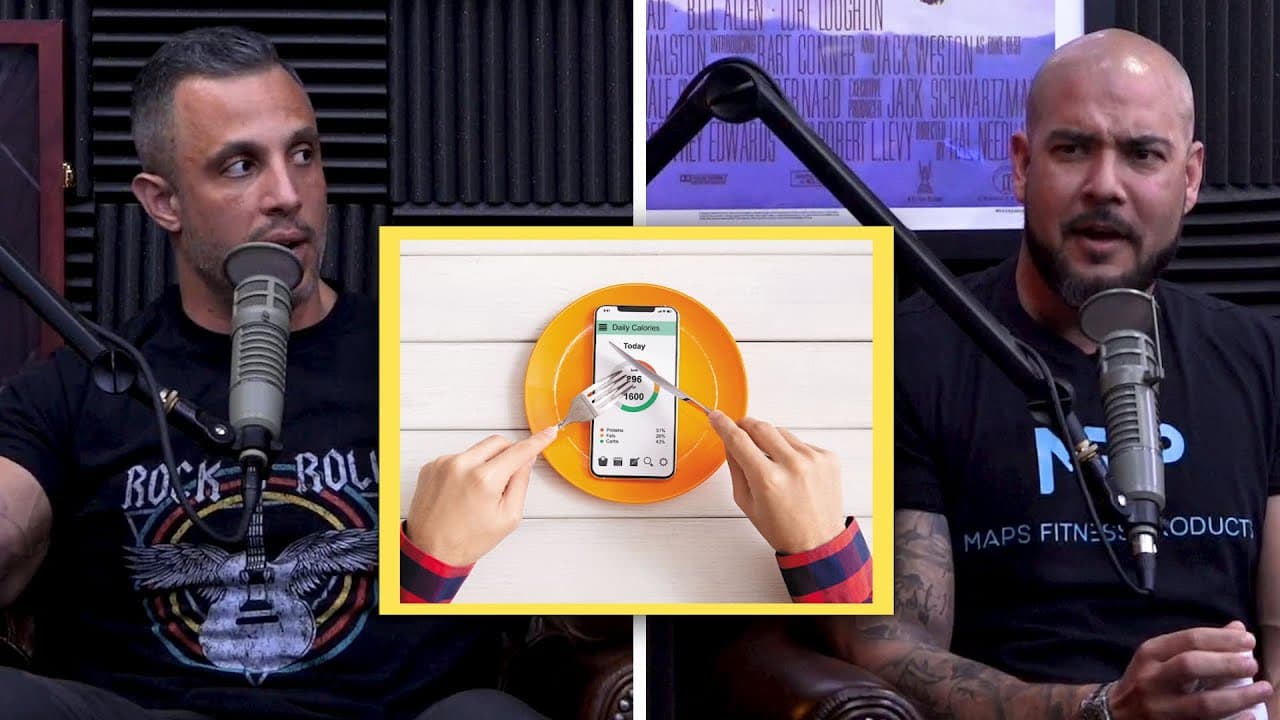
Why Counting Calories Fails for Long-Term Weight Loss
TL;DR
Counting calories can be effective short-term but is unsustainable and leads to dysfunctional eating habits. Understanding nutrition basics is important, but long-term success requires addressing underlying behaviors and fostering a natural relationship with food. Establishing healthy eating patterns without constant tracking is key to maintaining weight loss.
Transcript
counting your calories tracking your macros is a terrible long-term weight loss and fat loss approach whoa i know people get really upset with i feel like you're personally attacking me no okay so so my six-pack bags today i don't know here's here's the deal look uh understanding calories and food and proteins fats and carbohydrates is an important... Read More
Key Insights
- Counting calories is effective short-term but unsustainable long-term.
- Understanding nutrition basics is crucial for initial awareness.
- Constant tracking can lead to dysfunctional eating habits.
- Long-term success requires addressing underlying behaviors.
- Healthy eating should feel natural and not stressful.
- Therapists often achieve better long-term success than tracking diets.
- A healthy base of general health is crucial for sustainable weight management.
- The real issue is the dysfunctional relationship with food, not lack of information.
Install to Summarize YouTube Videos and Get Transcripts
Explore YouTube Video Summarizer or Get YouTube Transcript Extractor
Questions & Answers
Q: Why is counting calories not a sustainable weight loss strategy?
Counting calories is not sustainable long-term because it can lead to neurotic and dysfunctional eating habits. While it helps with initial awareness of food intake, constantly tracking can be stressful and does not address the underlying behaviors that lead to overeating. A sustainable approach focuses on building a natural and stress-free relationship with food.
Q: What is the importance of understanding nutrition basics?
Understanding nutrition basics is crucial for creating awareness about what and how much one is consuming. This knowledge helps in making informed decisions about food intake and recognizing the nutritional value of different foods. However, long-term success in weight management requires more than just this understanding; it involves addressing the behaviors and habits that lead to overeating.
Q: How can addressing underlying behaviors help in weight loss?
Addressing underlying behaviors helps in weight loss by tackling the root causes of overeating and dysfunctional eating patterns. By understanding and modifying these behaviors, individuals can develop a healthier relationship with food, leading to sustainable weight management. This approach is more effective than merely focusing on calorie tracking, which does not address the psychological and behavioral aspects of eating.
Q: What role do therapists play in long-term weight management?
Therapists play a crucial role in long-term weight management by focusing on the root causes of eating behaviors and helping individuals develop healthier relationships with food. Unlike tracking diets, which are often short-term solutions, therapy can lead to lasting changes by addressing psychological and behavioral factors that contribute to overeating and weight gain.
Q: Why is it important to have a healthy base of general health?
Having a healthy base of general health is important because it provides a stable foundation for sustainable weight management. This includes maintaining relative leanness, decent mobility, and strength. With this foundation, individuals can more easily manage weight fluctuations and avoid the extreme swings often seen in restrictive diets, leading to a more balanced and healthy lifestyle.
Q: What are the risks of extreme weight fluctuations?
Extreme weight fluctuations pose several risks, including potential metabolic damage, loss of muscle mass, and psychological stress. These swings can lead to a cycle of yo-yo dieting, where individuals repeatedly lose and regain weight, which can be detrimental to overall health. A more balanced approach to weight management, focusing on sustainable habits and behaviors, is recommended to mitigate these risks.
Q: How does stress affect eating habits?
Stress significantly affects eating habits by triggering dysfunctional eating patterns such as overeating or undereating. It can lead to a reliance on food for emotional comfort, resulting in a cycle of binge eating and guilt. Managing stress and fostering a relaxed approach to eating can help in developing a healthier relationship with food, essential for long-term weight management.
Q: What is the key to maintaining weight loss?
The key to maintaining weight loss lies in developing sustainable eating habits that do not rely on constant tracking. This involves understanding nutrition, addressing underlying behaviors, and fostering a natural, stress-free relationship with food. By focusing on these aspects, individuals can achieve long-term weight management without the need for restrictive diets or constant calorie counting.
Summary & Key Takeaways
-
Counting calories can help in the short term but often leads to dysfunctional eating habits if relied upon long-term. The key to sustainable weight loss lies in understanding nutrition and addressing underlying behaviors that lead to overeating. Establishing a healthy relationship with food that feels natural and not stressful is essential for maintaining weight.
-
Understanding the basics of nutrition is important, but focusing solely on tracking can create a neurotic approach to eating. A long-term strategy should involve building a healthy relationship with food and addressing the root causes of overeating, rather than just following a rigid tracking system.
-
Therapists often achieve better long-term success in weight management by focusing on the root causes of eating behaviors. A sustainable approach involves maintaining a healthy base of general health and relative leanness, and avoiding extreme weight fluctuations by fostering a natural, stress-free relationship with food.
Read in Other Languages (beta)
Share This Summary 📚
Summarize YouTube Videos and Get Video Transcripts with 1-Click
Try YouTube Summary with ChatGPT & Claude or YouTube Transcript Generator
Explore More Summaries from Mind Pump Show 📚



Summarize YouTube Videos and Get Video Transcripts with 1-Click
Try YouTube Summary with ChatGPT & Claude or YouTube Transcript Generator