How to Self-Assess for Effective Workouts
TL;DR
The key to programming effective workouts is conducting a thorough self-assessment to identify and address personal movement limitations. This ensures exercises are tailored to improve posture and prevent injury. Prioritize foundational movements like squats and deadlifts, treating them as skills to be mastered rather than just exercises to perform.
Transcript
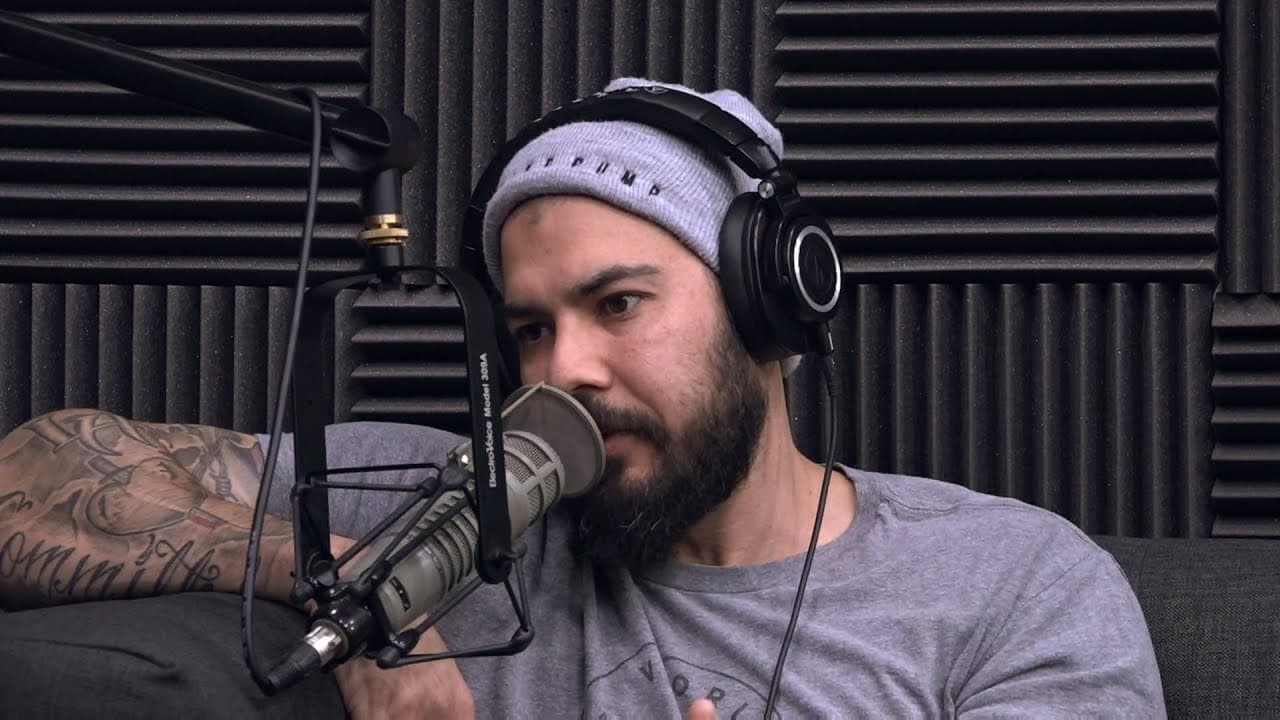
first question is from Josh core is there a rule of thumb one should stick by when programming their own workouts yeah Josh core there's a lot of rules of thumb but I think the number one rule of thumb probably the best possible thing you could do when you're programming your own workout is the same thing that a trainer would absolutely have to do ... Read More
Key Insights
- Self-assessment is crucial for effective workout programming, allowing individuals to tailor exercises to their specific needs.
- Poor movement patterns can lead to injury and hinder progress, making assessment and correction essential.
- Focus on correcting posture and movement dysfunctions before prioritizing muscle building or fat loss.
- Major lifts like squats and deadlifts should be treated as skills, requiring practice and mastery.
- Frequent practice of exercises, even at low intensity, can lead to muscle growth and strength gains.
- Incorporating exercises in multiple planes of motion is vital for joint health and overall stability.
- Using tools like Maps Prime can help individuals perform self-assessments and improve their workout effectiveness.
- Free online resources, such as YouTube videos, can provide guidance on specific mobility and movement issues.
Install to Summarize YouTube Videos and Get Transcripts
Explore YouTube Video Summarizer or Get YouTube Transcript Extractor
Questions & Answers
Q: How to conduct a self-assessment for workouts?
Conducting a self-assessment involves evaluating your posture, movement patterns, and any areas of discomfort or limitation. This can be done by observing your posture in photos or videos and performing basic movement tests, such as squats, to identify dysfunctions. Tools like Maps Prime can provide structured guidance for this process.
Q: Why is self-assessment important in workout programming?
Self-assessment is important because it helps identify individual movement limitations and dysfunctions, allowing for tailored exercise selection. This personalized approach prevents injury, enhances posture, and optimizes workout effectiveness by focusing on exercises that address specific needs rather than generic routines.
Q: What are the benefits of treating major lifts as skills?
Treating major lifts like squats and deadlifts as skills involves practicing them frequently at low intensity to improve form and movement patterns. This approach leads to better mastery, reduces the risk of injury, and enhances overall strength and muscle development over time, as opposed to focusing solely on lifting heavy weights.
Q: How does frequent exercise practice lead to muscle growth?
Frequent exercise practice, even at low intensity, sends consistent muscle-building signals to the body. This regular stimulation promotes muscle growth and strength gains by reinforcing proper movement patterns and allowing the body to adapt gradually, leading to improved performance and reduced risk of injury.
Q: What role do planes of motion play in workout programming?
Incorporating exercises in multiple planes of motion ensures that joints move through their full range, promoting stability and preventing imbalances. This approach enhances overall movement quality and reduces the risk of injury by training the body to perform effectively in various directions and activities.
Q: How can Maps Prime help with self-assessment?
Maps Prime offers a structured self-assessment tool that guides users through specific movements to identify personal limitations and dysfunctions. It provides targeted exercises to address these issues, making it easier for individuals to tailor their workouts for improved effectiveness and reduced risk of injury.
Q: What resources are available for improving workout effectiveness?
Online resources such as YouTube channels and fitness websites offer free videos and guides on mobility and movement improvement. These resources can help individuals address specific issues, such as shoulder or hip mobility, enhancing overall workout effectiveness and allowing for more personalized exercise programming.
Q: Why is it important to address movement dysfunctions before building muscle?
Addressing movement dysfunctions before focusing on muscle building is crucial to prevent injuries and ensure long-term success. Correcting posture and movement patterns creates a solid foundation, allowing for safer and more effective strength training, ultimately leading to better results and a reduced risk of setbacks.
Summary & Key Takeaways
-
Conducting a self-assessment is essential for effective workout programming. It helps identify movement limitations and tailor exercises to address them, improving posture and preventing injuries. Prioritizing foundational lifts like squats and deadlifts as skills to be mastered is crucial for long-term success.
-
Effective workout programming begins with understanding one's own body through self-assessment. This process highlights areas needing improvement, ensuring exercises are beneficial rather than harmful. Major lifts should be practiced frequently at low intensity to build strength and muscle over time.
-
Incorporating a variety of movements in different planes is important for joint health and stability. Tools like Maps Prime can guide individuals in performing self-assessments, while online resources offer additional support for addressing specific mobility issues, enhancing overall workout effectiveness.
Read in Other Languages (beta)
Share This Summary 📚
Summarize YouTube Videos and Get Video Transcripts with 1-Click
Try YouTube Summary with ChatGPT & Claude or YouTube Transcript Generator
Explore More Summaries from Mind Pump Show 📚

Summarize YouTube Videos and Get Video Transcripts with 1-Click
Try YouTube Summary with ChatGPT & Claude or YouTube Transcript Generator