How tax breaks help the rich
TL;DR
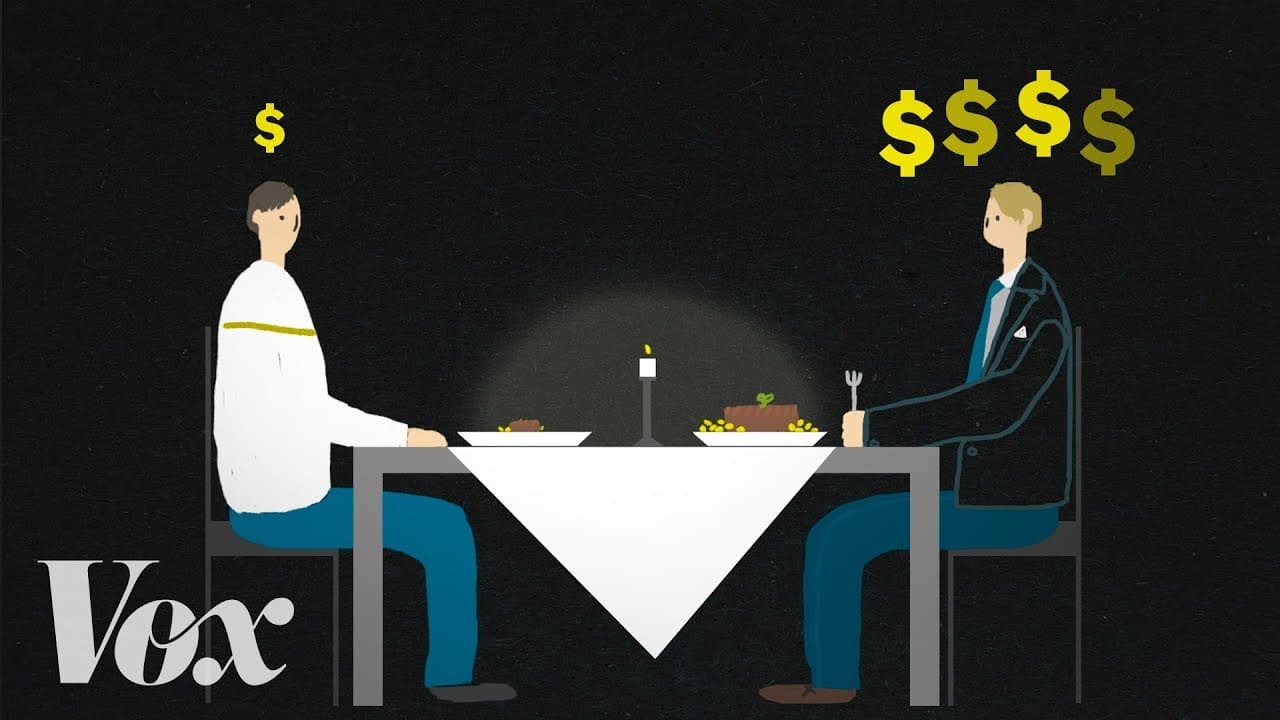
US tax code exacerbates income inequality, benefiting the rich.
Transcript
The United States has a problem with income inequality. People have different ideas about why this is happening. CEO pay climbs every single year without exception. The United States has lost 5 million manufacturing jobs since the year 2000. big shifts that's happened in the economy that is lead in part to a decline in union membership. But one if... Read More
Key Insights
- The US tax code contributes significantly to income inequality by providing disproportionate tax benefits to the wealthy through deductions like charitable contributions and mortgage interest.
- Charitable deductions favor higher income earners, who receive a larger tax benefit for the same contribution compared to lower income earners, thus increasing inequality.
- The mortgage interest deduction mainly benefits wealthy homeowners, costing the US Treasury $100 billion annually, which could be redirected to public services.
- Capital gains are taxed at a lower rate than earned income, allowing individuals with capital income to pay less in taxes compared to those with similar earned incomes.
- Historical reforms have shown that increasing taxes on capital gains does not deter investment, as evidenced by economic growth in the 1990s.
- The proposed tax reforms by Trump and the GOP aim to maintain deductions favoring the wealthy while reducing the number of tax brackets and cutting the top tax rate.
- Tax credits, as used in other countries, could provide a more equitable solution by offering the same tax benefit regardless of income level.
- The current tax plans proposed by Trump and the GOP could widen the gap between the richest Americans and the rest, rather than addressing the growing income inequality.
Install to Summarize YouTube Videos and Get Transcripts
Explore YouTube Video Summarizer or Get YouTube Transcript Extractor
Questions & Answers
Q: How do charitable deductions contribute to income inequality?
Charitable deductions contribute to income inequality by providing greater tax benefits to higher income earners. For the same donation amount, individuals in higher tax brackets receive a larger deduction, thereby saving more on taxes than those in lower brackets. This results in a disproportionate benefit that favors the wealthy.
Q: What is the impact of the mortgage interest deduction on the economy?
The mortgage interest deduction costs the US Treasury approximately $100 billion annually, which could be redirected towards essential public services such as healthcare, infrastructure, and education. This deduction primarily benefits wealthy homeowners, allowing them to save significantly on taxes, thereby contributing to the widening income gap.
Q: How are capital gains taxed compared to earned income?
Capital gains are taxed at a lower rate than earned income. While earned income, such as wages and salaries, can be taxed up to 39.6%, capital gains are taxed at a maximum rate of 23.8%. This disparity allows individuals with capital income to pay less in taxes compared to those earning similar amounts through wages.
Q: What historical evidence exists regarding the impact of capital gains tax rates on investment?
Historical evidence, such as the economic growth during the 1990s, indicates that increasing taxes on capital gains does not deter investment. Despite fears that higher capital gains taxes would reduce investments, the US experienced its longest period of consecutive economic growth following tax increases by Reagan, Bush, and Clinton.
Q: What are the proposed changes to the tax code by Trump and the GOP?
The proposed changes by Trump and the GOP include maintaining deductions that benefit the wealthy, reducing the number of tax brackets from seven to three, and cutting the top tax rate. These changes are likely to provide significant tax savings for the wealthy, potentially widening the income gap.
Q: How could tax credits provide a more equitable tax system?
Tax credits could offer a more equitable tax system by providing the same tax benefit for a given action, regardless of income level. Unlike deductions, which vary based on tax brackets, credits reduce the amount owed directly, ensuring that all taxpayers receive the same benefit for the same contribution.
Q: What potential consequences could result from the proposed tax reforms?
The proposed tax reforms could result in a wider income gap between the wealthy and the rest of the population. By maintaining deductions that favor the rich and reducing top tax rates, the reforms may exacerbate income inequality rather than addressing it, limiting economic mobility for lower and middle-income earners.
Q: Why is the current tax code considered unfair to lower income earners?
The current tax code is considered unfair to lower income earners because it provides greater tax benefits to the wealthy through deductions and lower rates on capital gains. These provisions allow high-income individuals to save more on taxes relative to their income, while lower earners receive minimal benefits, perpetuating income inequality.
Summary & Key Takeaways
-
The US tax code exacerbates income inequality by providing greater tax benefits to the wealthy, particularly through deductions for charitable contributions and mortgage interest. These deductions disproportionately benefit higher income earners, leaving less revenue for public services.
-
Capital gains are taxed at a lower rate than earned income, allowing wealthy individuals to pay less in taxes. Historical evidence suggests that taxing capital gains and earned income equally does not negatively impact investment or economic growth.
-
Proposed tax reforms by Trump and the GOP maintain deductions that benefit the wealthy while reducing the number of tax brackets and cutting top tax rates, potentially widening the income gap further. Implementing tax credits could offer a fairer alternative.
Read in Other Languages (beta)
Share This Summary 📚
Summarize YouTube Videos and Get Video Transcripts with 1-Click
Try YouTube Summary with ChatGPT & Claude or YouTube Transcript Generator
Explore More Summaries from Vox 📚




Summarize YouTube Videos and Get Video Transcripts with 1-Click
Try YouTube Summary with ChatGPT & Claude or YouTube Transcript Generator