Turning Fear into Power: Understanding and Managing Anxiety | Mel Robbins
TL;DR
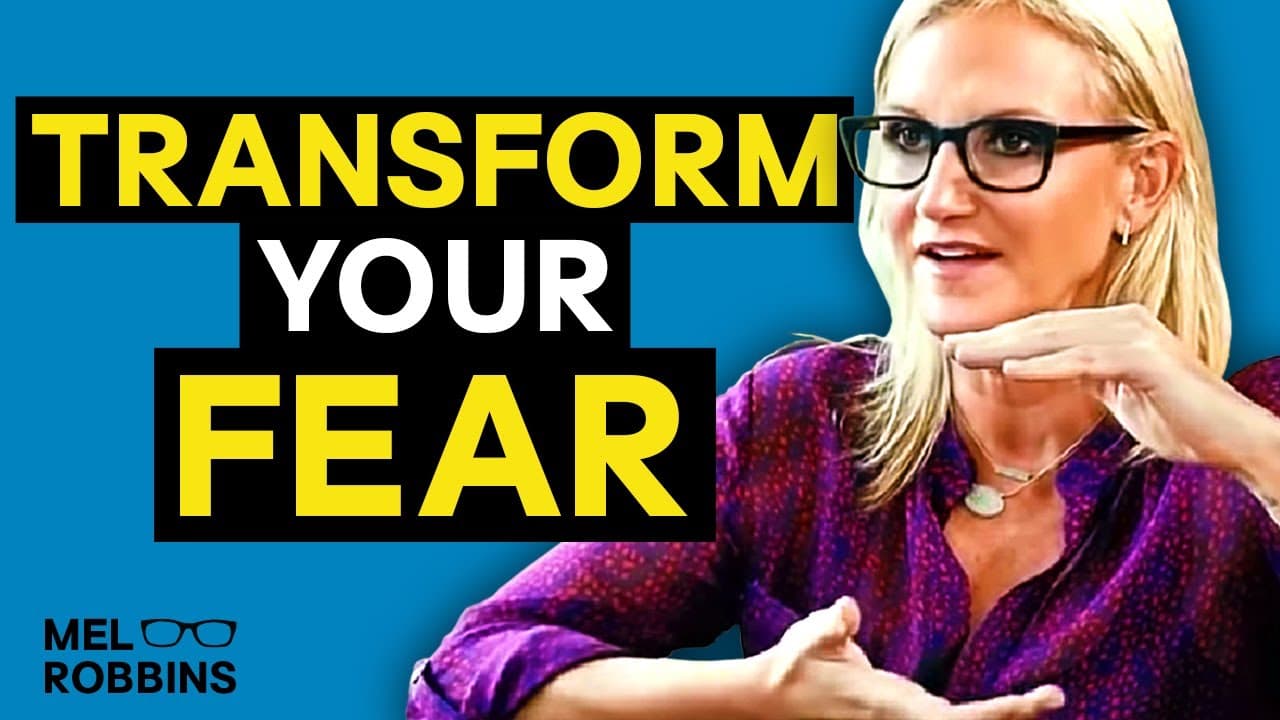
Learn how to stop worrying and control anxiety through deliberate thinking techniques.
Transcript
do you feel like you worry too much you keep repeating the worry over and over and over do you feel like you live in your head too much always being on edge and being in fight or flight worrying and causing yourself anxiety will make the potential problem worse chest sweat stomach drop the shutting down the nervous belly when we pull the triggers o... Read More
Key Insights
- 🎮 Anxiety stems from the habit of worrying about things beyond one's control.
- 📡 Recognizing body signals can help catch the onset of anxiety before it intensifies.
- 💭 Practicing the 5-4-3-2-1 rule and anchoring thoughts can stabilize anxious thoughts and emotions.
- 💭 Anxiety and excitement share similar physiological responses, highlighting the importance of reframing thoughts.
- 🤳 The pandemic provided an opportunity for self-reflection and confronting underlying anxiety triggers.
- 🤔 Deliberate thinking techniques can empower individuals to overcome worry and anxiety.
- 🔬 Recognizing triggers and utilizing coping strategies are crucial in managing anxiety effectively.
Install to Summarize YouTube Videos and Get Transcripts
Explore YouTube Video Summarizer or Get YouTube Transcript Extractor
Questions & Answers
Q: How can recognizing body signals help in controlling anxiety?
Recognizing body signals like heart racing or stomach tension helps to intervene before worry escalates into anxiety, allowing for a calmer response.
Q: What is the significance of the 5-4-3-2-1 rule in managing anxiety?
The 5-4-3-2-1 rule interrupts negative thought patterns, activating the prefrontal cortex to shift focus and prevents spiraling worry.
Q: How do anchoring thoughts aid in shifting focus from worry to excitement?
Anchoring thoughts redirect attention from worrisome thoughts to positive anticipation, breaking the cycle of anxiety and promoting a more grounded mindset.
Summary & Key Takeaways
-
Manage anxiety by recognizing body signals before spiraling thoughts trigger panic attacks.
-
Practice the 5-4-3-2-1 rule to interrupt negative thoughts and stabilize anxiety.
-
Use anchoring thoughts to shift focus from worry to excitement, grounding your mind.
Read in Other Languages (beta)
Share This Summary 📚
Summarize YouTube Videos and Get Video Transcripts with 1-Click
Try YouTube Summary with ChatGPT & Claude or YouTube Transcript Generator
Explore More Summaries from Mel Robbins 📚





Summarize YouTube Videos and Get Video Transcripts with 1-Click
Try YouTube Summary with ChatGPT & Claude or YouTube Transcript Generator