Can Global Food Companies Make the Shift to Regenerative Agriculture? | Steve Presley | TED
TL;DR
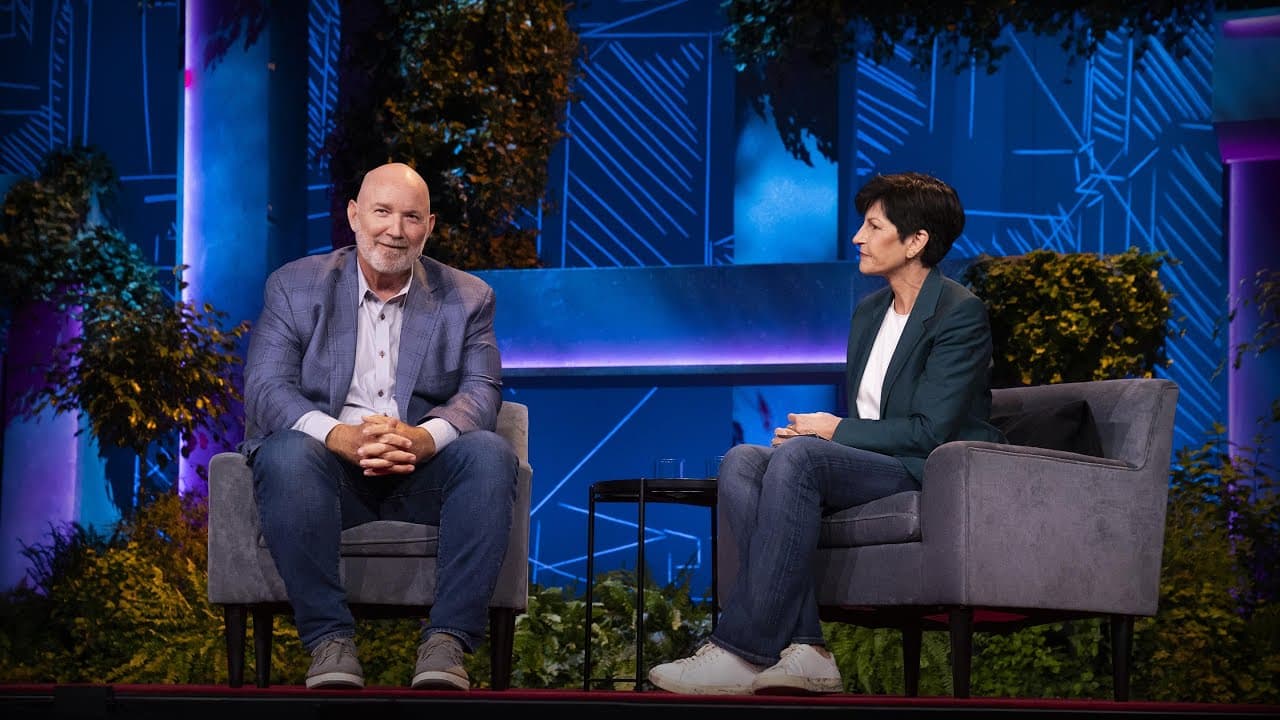
In this interview, Steve Presley discusses Nestlé's commitment to regenerative agriculture and its goals to reduce greenhouse gas emissions and improve sustainability in food production.
Transcript
Lindsay Levin: Great to be here with you. And you started your career at Nestlé in a beverage factory in Suffolk, Virginia, I believe, way back when. And today you run the largest business division of the world's largest food company. Give us a sense of what that means. Steve Presley: Yeah, obviously, as you said, Nestlé is the world's largest food... Read More
Key Insights
- 💼 Nestlé's largest business division operates in North America and has a vast portfolio of brands, reaching 95% of households in the US. The company sells a billion Nestlé products every day worldwide.
- 🌍 Nestlé recognizes the significant responsibility of the agricultural industry in terms of greenhouse gas emissions and environmental impact. They are committed to adopting regenerative agriculture practices to achieve their net-zero commitment by 2050.
- 🌱 Implementing regenerative farming practices is complex and varies for different crops, creating a unique challenge for Nestlé as they work with thousands of farms across the US.
- 🌍 Nestlé is committed to creating shared value and aims for their sustainability initiatives to be beneficial for their company, farmers, suppliers, consumers, and the planet.
- 🎯 Nestlé has set ambitious goals in four key pillars: ingredients, packaging, manufacturing, and local communities. They aim to source 50% of their ingredients from regenerative agriculture by 2030 and have made significant progress in reducing plastic packaging waste and implementing renewable energy in their manufacturing facilities.
- 🌾 Regenerative farming aims to improve soil health and biodiversity in order to achieve sustainability. Practices range from simple techniques like crop rotation to larger investments like manure systems on dairy farms.
- 🍕 Nestlé is actively advancing regenerative farming practices in various products, such as using regenerative wheat for the crust in their DiGiorno pizzas, externally verifying regenerative tomato farming, working towards net-zero emissions in dairy farming, and partnering with Cargill and the National Wildlife and Fish Foundation for regenerative ranching in the meat industry.
- 📦 Challenges for Nestlé include the need to drive change at scale across the entire farming ecosystem, improve recycling infrastructure for packaging, and create a sense of urgency within the industry to accelerate sustainability efforts. The company plans to invest $3.6 billion in these practices by 2025.
Install to Summarize YouTube Videos and Get Transcripts
Explore YouTube Video Summarizer or Get YouTube Transcript Extractor
Questions & Answers
Q: What is the largest food company in the world and its presence in the US?
Nestlé is the largest food company in the world. In the US, it is one of the largest food and beverage companies, with its brands present in 95 percent of households.
Q: What are some well-known Nestlé brands?
Nestlé is known for brands such as DiGiorno, Stouffer's, Hot Pockets, Starbucks at home, Coffee-mate, and Purina petcare products.
Q: How many farmers does Nestlé work with globally?
Nestlé works directly with 500,000 farmers around the world and indirectly with over a million farmers.
Q: What percentage of greenhouse gas emissions does food production account for, and why is regenerative agriculture important?
Food production accounts for about 30 percent of total greenhouse gas emissions. Regenerative agriculture is important for Nestlé to make progress towards its net-zero commitment. It focuses on improving soil and biodiversity at the end of each crop cycle, contributing to sustainable farming practices.
Q: What goals has Nestlé set for the company?
Nestlé has a net-zero commitment by 2050. It aims to be 50 percent regenerative-sourced by 2030. The company also focuses on sustainable packaging, manufacturing processes, and supporting local farming communities.
Q: What challenges does Nestlé face in implementing regenerative farming practices?
Implementing regenerative farming practices is complex and varies for different crops and farming sectors. Nestlé works with thousands of farms across the US alone, each with unique challenges. The company takes a comprehensive approach, addressing the diversity and scale of challenges in promoting regenerative agriculture.
Q: Where does Nestlé prioritize its efforts?
Nestlé prioritizes its efforts in four key pillars: ingredients, packaging, manufacturing processes, and local farming communities. Each pillar involves specific targets and initiatives, such as sourcing regenerative wheat for pizza crusts or reducing plastic waste in packaging.
Q: What areas does Nestlé identify as needing faster progress?
Nestlé aims for faster progress in driving industry-wide change, particularly in scaling up regenerative farming practices. Improving packaging recyclability is another area of focus, as the current recycling infrastructure is insufficient. The company also emphasizes the need for a sense of urgency and faster action across the entire industry complex.
Summary & Key Takeaways
-
Nestlé is the largest food company in the world, with a presence in 95% of US households through brands such as DiGiorno, Stouffer's, and Starbucks at home.
-
The company is committed to regenerative agriculture and aims to source 50% of its ingredients from regenerative farming practices by 2030.
-
Nestlé has set ambitious goals for reducing carbon emissions, improving packaging sustainability, and supporting local farming communities. They have already made progress in reducing plastic packaging and investing in renewable energy.
Read in Other Languages (beta)
Share This Summary 📚
Summarize YouTube Videos and Get Video Transcripts with 1-Click
Try YouTube Summary with ChatGPT & Claude or YouTube Transcript Generator
Explore More Summaries from TED 📚
Summarize YouTube Videos and Get Video Transcripts with 1-Click
Try YouTube Summary with ChatGPT & Claude or YouTube Transcript Generator