Does Absinthe Actually Make You Hallucinate?
TL;DR
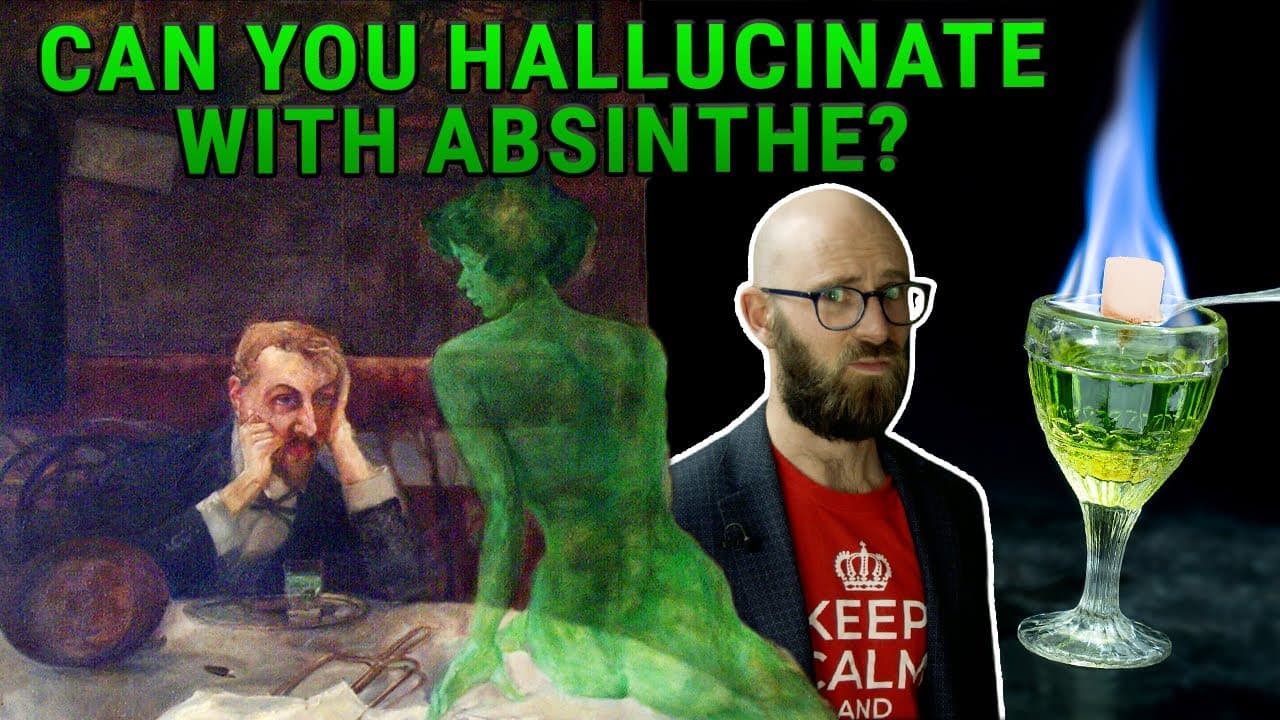
Absinthe, the green fairy, was a popular drink among artists and bohemians in the late 19th and early 20th centuries, but its alleged psychoactive properties and association with social ills led to its ban across most of Europe.
Transcript
today's video is brought to you by the legends over at hellofresh who are bringing some much-needed foodie goodness to that dining room table of yours honestly cooking a full meal from scratch is a pain in the ass after a full day of work nobody wants to spend hours preparing a meal least of all this guy unfortunately the other options co... Read More
Key Insights
- 💝 Absinthe was a popular drink among artists and bohemians in the late 19th and early 20th centuries, believed to have psychoactive properties.
- 😜 The association of absinthe with social ills and a grisly murder led to its ban across most of Europe.
- 🍸 The alleged psychoactive properties of absinthe were exaggerated, and the drink's reputation was more based on artistic hyperbole and propaganda.
Install to Summarize YouTube Videos and Get Transcripts
Explore YouTube Video Summarizer or Get YouTube Transcript Extractor
Questions & Answers
Q: What is absinthe and why was it popular among artists and bohemians?
Absinthe is a dark green spirit made from wormwood and other herbs. It was popular among artists and bohemians due to its alleged ability to induce a pleasant lucid intoxication and vivid hallucinations, as well as its distinctive green color, which led to its nickname "the green fairy."
Q: Why was absinthe banned across most of Europe?
Absinthe was blamed for various social ills, including idleness, poverty, epilepsy, madness, and even murder. The association and moral panic led to its banning across most of Europe. Concerns over its effects on soldiers during World War I also contributed to the ban in France.
Q: Did absinthe really have psychoactive properties?
The alleged psychoactive properties of absinthe, attributed to thujone found in wormwood, have been found to be exaggerated. While thujone can induce convulsions in high doses, the levels found in absinthe are too low to have any significant effect. Most of its reputation was the product of artistic hyperbole and propaganda.
Q: Is absinthe legal today?
The ban on absinthe was lifted in 1988 with the European Council passing a directive allowing the inclusion of wormwood in alcoholic beverages. Absinthe has since had a renaissance and is now available in most liquor stores.
Summary & Key Takeaways
-
Absinthe, a dark green spirit, was embraced by artists, writers, and philosophers in the late 19th and early 20th centuries, believed to induce a pleasant lucid intoxication and vivid hallucinations.
-
The drink was made from wormwood and other herbs and gained popularity in France, spreading to other countries.
-
The association of absinthe with social ills and a grisly murder led to a moral panic, resulting in its banning across Europe.
Read in Other Languages (beta)
Share This Summary 📚
Summarize YouTube Videos and Get Video Transcripts with 1-Click
Try YouTube Summary with ChatGPT & Claude or YouTube Transcript Generator
Explore More Summaries from Today I Found Out 📚




Summarize YouTube Videos and Get Video Transcripts with 1-Click
Try YouTube Summary with ChatGPT & Claude or YouTube Transcript Generator