How Can Doctors Profit While Helping Low-Income Patients?
TL;DR
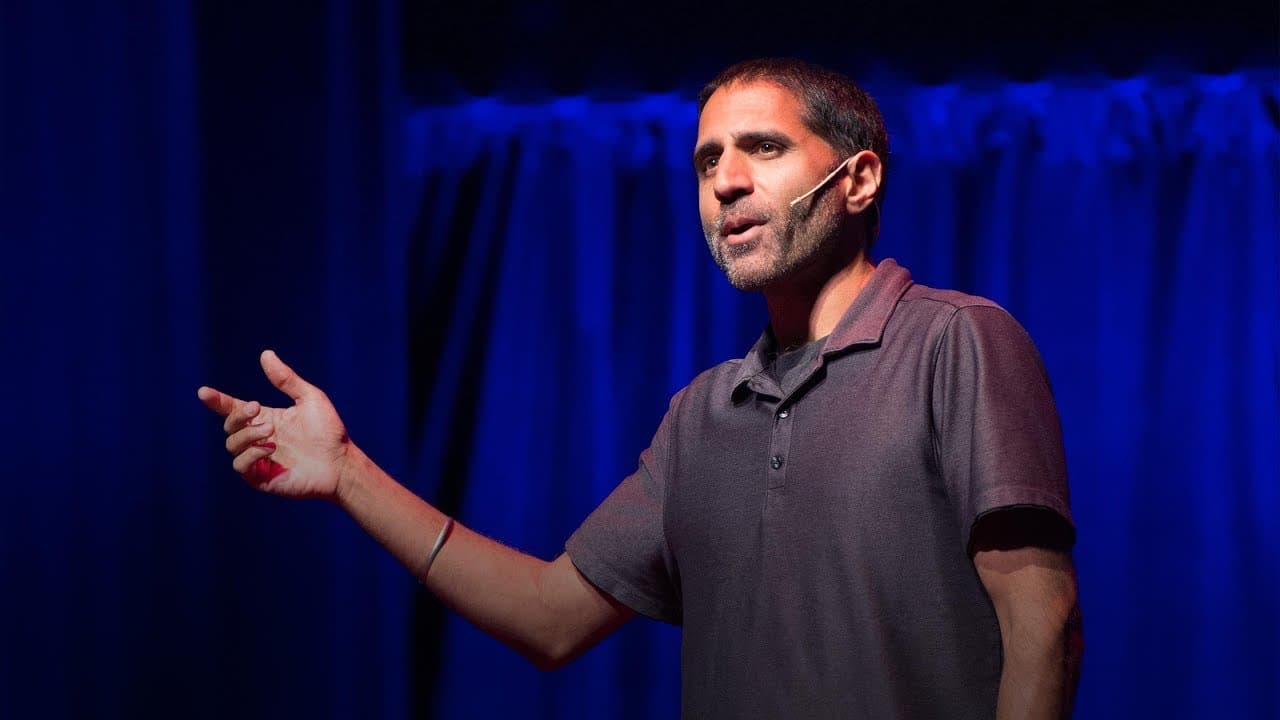
Doctors can profit while helping low-income patients by creating innovative private practices that address barriers to healthcare access. Using a model that prioritizes walk-in appointments, free medications, and cultural sensitivity, these practices can cater to underserved populations like Medicaid recipients while also maintaining profitability. This approach, termed 'bleeding-heart capitalism', demonstrates that it's feasible to combine social missions with business success.
Transcript
Translator: Ivana Korom Reviewer: Krystian Aparta Colfax Avenue, here in Denver, Colorado, was once called the longest, wickedest street in America. My office is there in the same place -- it's a medical desert. There are government clinics and hospitals nearby, but they're not enough to handle the poor who live in the area. By poor, I mean those w... Read More
Key Insights
- 🏥 A significant portion of the population in the US relies on Medicaid for healthcare, but many doctors refuse to see Medicaid patients due to lower reimbursement rates and perceived challenges.
- 🏥 The lack of access to healthcare for low-income individuals, particularly those on Medicaid, is a widespread problem across the country, not limited to Denver.
- ⚕️ The speaker chose to open a private practice that focuses on serving low-income refugee populations, and has successfully served 50,000 refugee medical visits.
- 💡 The speaker's approach to serving low-income patients combines capitalism with a social mission, which he calls "bleeding-heart capitalism".
- 🏥 The practice utilizes innovative strategies such as walk-in appointments, open exam rooms, and distributing free medicines to cut costs and increase customer satisfaction.
- 💰 The practice demonstrates that it is possible to make money while serving Medicaid patients, challenging the notion that Medicaid is not financially viable for doctors.
- 👥 The practice supports the local refugee community by reinvesting profits into programs in Mango House, providing additional services beyond healthcare.
- 💪 The speaker encourages healthcare professionals to choose underserved medicine as a lifestyle specialty or find ways to cut costs and serve low-income individuals. Non-medical professionals are urged to use their expertise to innovate new ways of serving others and bridge the gap in healthcare access and inequality.
Install to Summarize YouTube Videos and Get Transcripts
Explore YouTube Video Summarizer or Get YouTube Transcript Extractor
Questions & Answers
Q: What is the main issue discussed in the video?
The main issue discussed in the video is the lack of access to healthcare for low-income individuals, particularly those on Medicaid.
Q: How many family doctors in Denver take Medicaid patients?
According to a study mentioned in the video, only 20 percent of family doctors in Denver take any Medicaid patients.
Q: Why do many doctors refuse to see Medicaid patients?
Many doctors refuse to see Medicaid patients because Medicaid pays less than private insurance and Medicaid patients are seen as more challenging due to various reasons such as language barriers, trouble following instructions, and late or missed appointments.
Q: How does the speaker's private practice cater to low-income patients?
The speaker's private practice caters to low-income patients by implementing innovative approaches such as walk-in only appointments, open exam rooms, free medicines, text messaging communication, evening and weekend availability, and home visits. These measures aim to provide flexible and accessible healthcare to those who may face barriers to traditional healthcare systems.
Q: What is the speaker's approach to running a private practice for low-income patients?
The speaker describes his approach as "bleeding-heart" capitalism. He combines elements of entrepreneurship and social service to create a sustainable business model that serves low-income individuals. The profits from his clinic are reinvested into the refugee community to fund various social programs.
Summary & Key Takeaways
-
Colfax Avenue in Denver, Colorado, is known as the longest and wickedest street in America, but it lacks sufficient medical facilities to serve the poor population.
-
Only 20% of family doctors in Denver accept Medicaid patients, and about 50% of family doctors in the entire country refuse to see Medicaid patients.
-
The speaker opened a private practice that caters to low-income individuals, serving mainly refugees, and has found success by breaking down barriers and innovating in the healthcare system.
Read in Other Languages (beta)
Share This Summary 📚
Summarize YouTube Videos and Get Video Transcripts with 1-Click
Try YouTube Summary with ChatGPT & Claude or YouTube Transcript Generator
Explore More Summaries from TED 📚




Summarize YouTube Videos and Get Video Transcripts with 1-Click
Try YouTube Summary with ChatGPT & Claude or YouTube Transcript Generator