Afrofuturism mixes sci-fi and social justice. Here’s how it works.
TL;DR
Afrofuturism imagines futures through black experiences, challenging traditional sci-fi narratives.
Transcript
When people envision a future in art most often it's seen through a white lens. Only 8% of the 100 top grossing sci-fi and fantasy films featured a protagonist of color. Half the time the protagonist was Will Smith. The future looks different, if you look at it through the lens of black experiences. But we’re not all white or Will Smith. The future... Read More
Key Insights
- Afrofuturism provides a unique lens to envision the future, emphasizing black experiences and challenging traditional white-centric sci-fi narratives.
- The term 'Afrofuturism' was coined by Mark Dery in 1994, highlighting the scarcity of black stories in science fiction.
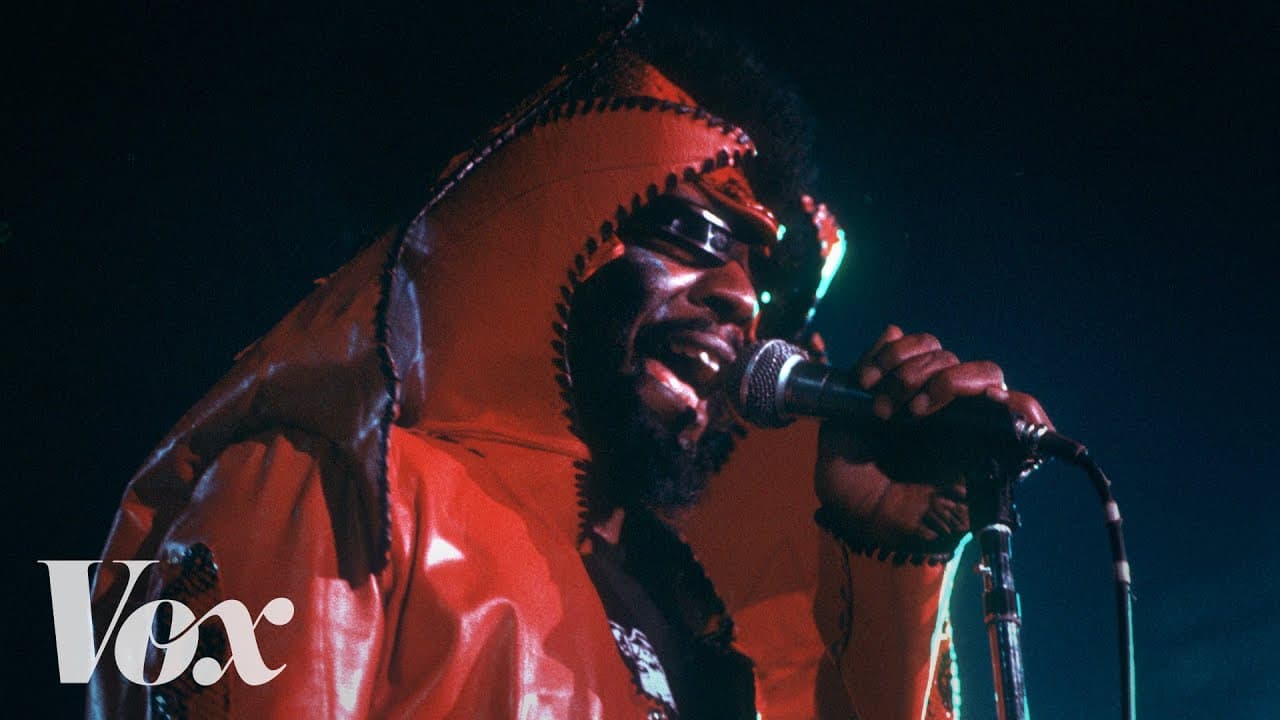
- Afrofuturism has roots in music, with artists like Sun-Ra and George Clinton using it to connect futuristic themes with African heritage.
- George Clinton's work in the 1970s linked civil rights struggles with a hopeful, afrocentric future, using music to transform history into empowerment.
- André 3000 critiques current societal structures through Afrofuturism, advocating for a future where racial barriers are overcome.
- Afrofuturism empowers black individuals to envision and fight for a future that aligns with their aspirations and identity.
- Janelle Monáe's work embodies Afrofuturism by promoting self-love and challenging societal norms that hinder black empowerment.
- Afrofuturism not only imagines a better future but also critiques present inequalities, offering hope and a vision of change.
Install to Summarize YouTube Videos and Get Transcripts
Explore YouTube Video Summarizer or Get YouTube Transcript Extractor
Questions & Answers
Q: What is Afrofuturism and who coined the term?
Afrofuturism is an artistic and scholarly movement that imagines the future through the lens of black experiences, challenging traditional sci-fi narratives. The term was coined by culture critic Mark Dery in 1994 to address the lack of black writers and stories in science fiction.
Q: How does Afrofuturism relate to music?
Afrofuturism has deep roots in music, with artists like Sun-Ra and George Clinton incorporating afrocentric themes in their work. They connect futuristic visions with African heritage and civil rights struggles, transforming historical narratives into empowering and hopeful futures through their music.
Q: What role does George Clinton play in Afrofuturism?
George Clinton is a pivotal figure in Afrofuturism, using his music to link civil rights struggles with a hopeful, afrocentric future. His work in the 1970s, particularly with Parliament, transformed desperate historical narratives into empowering futuristic visions, offering a positive outlook on overcoming racial struggles.
Q: How does André 3000 incorporate Afrofuturism in his work?
André 3000 uses Afrofuturism to critique current societal structures and advocate for a future where racial barriers are overcome. His lyrics emphasize the importance of creating a future aligned with personal aspirations, challenging the societal norms that define futures based on race.
Q: What message does Janelle Monáe convey through Afrofuturism?
Janelle Monáe embodies Afrofuturism by promoting self-love and challenging societal norms that hinder black empowerment. Her work emphasizes the importance of loving one's identity, even if it makes others uncomfortable, and envisions a future where black individuals can thrive on their own terms.
Q: How does Afrofuturism critique present societal inequalities?
Afrofuturism critiques present societal inequalities by offering a vision of the future where these problems are solved. It challenges the status quo and provides hope by imagining futures that are more inclusive and equitable, highlighting the need for societal change and empowerment.
Q: Why is Afrofuturism important in envisioning the future?
Afrofuturism is important in envisioning the future because it centers black experiences, challenging the predominantly white narratives in sci-fi. It provides a platform for diverse voices to imagine futures that reflect their aspirations and identities, promoting empowerment and hope for a better tomorrow.
Q: What is the common thread in Afrofuturism?
The common thread in Afrofuturism is the focus on overcoming societal inequalities and envisioning a future where black individuals can thrive on their own terms. It emphasizes empowerment, self-love, and the transformation of historical narratives into hopeful and positive futuristic visions.
Summary & Key Takeaways
-
Afrofuturism offers a unique perspective on the future by centering black experiences and challenging the predominantly white narratives in sci-fi. Coined by Mark Dery in 1994, it highlights the importance of diverse voices in envisioning future possibilities.
-
Musicians like Sun-Ra and George Clinton have incorporated Afrofuturism in their work, using afrocentric themes to connect with African heritage and civil rights struggles, transforming historical narratives into empowering futuristic visions.
-
Artists such as André 3000 and Janelle Monáe use Afrofuturism to critique societal inequalities and advocate for a future where black individuals can thrive on their terms, promoting self-love and empowerment as central themes.
Read in Other Languages (beta)
Share This Summary 📚
Summarize YouTube Videos and Get Video Transcripts with 1-Click
Try YouTube Summary with ChatGPT & Claude or YouTube Transcript Generator
Explore More Summaries from Vox 📚


Summarize YouTube Videos and Get Video Transcripts with 1-Click
Try YouTube Summary with ChatGPT & Claude or YouTube Transcript Generator