Mac Thornberry on the Budget, National Security, and Policy Reform
TL;DR
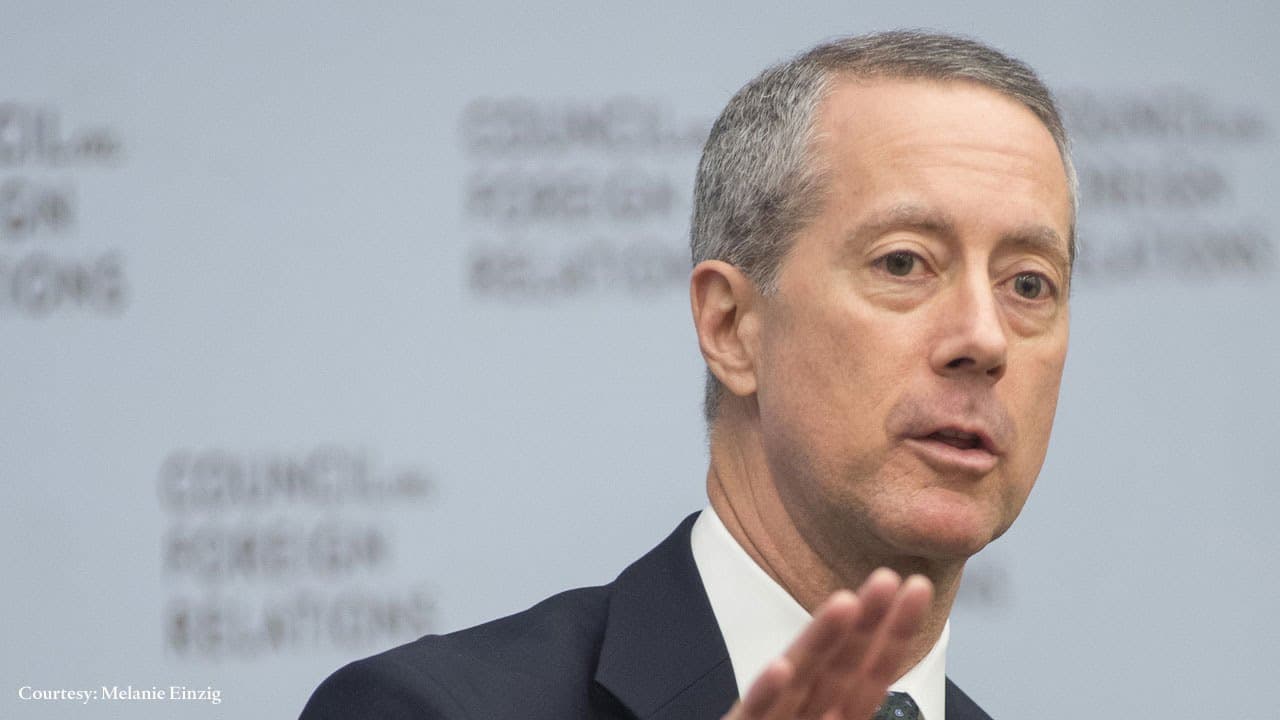
Mac Thornberry discusses U.S. defense budget and national security strategy.
Transcript
SHINN: Well, good morning. Welcome to the Council on Foreign Relations, also known as Ice Station Zebra. Thanks for coming through the cold for a conversation on national security and reform. And we're honored to have Congressman Mac Thornberry with us. Your timing is great. The president has submitted his budget proposal to Congress. He's also sub... Read More
Key Insights
- Mac Thornberry emphasizes the complexity of managing the defense budget within the constraints of the Budget Control Act, highlighting the need for strategic allocation of resources to address current threats.
- The reduction in defense spending since 2010 has led to deferred training and maintenance, raising concerns about military readiness and long-term costs.
- Thornberry advocates for a strategic approach to defense budgeting, aligning resources with assessed threats and potential risks to national security.
- The Authorization for the Use of Military Force (AUMF) against ISIS is debated, with concerns about the constraints it places on military operations and the need for a clear strategy.
- Thornberry stresses the importance of U.S. military strength and presence, particularly in the face of Russian aggression and the strategic pivot to Asia.
- There is bipartisan support in Congress for providing defensive aid to Ukraine, reflecting concerns about Russian expansionism and the need for a stronger deterrence.
- Thornberry highlights the need for reform in military acquisition and personnel systems, focusing on efficiency and accountability.
- The discussion underlines the importance of alliance management and encouraging NATO allies to increase their defense spending in response to regional threats.
Install to Summarize YouTube Videos and Get Transcripts
Explore YouTube Video Summarizer or Get YouTube Transcript Extractor
Questions & Answers
Q: What is Mac Thornberry's view on the current defense budget constraints?
Mac Thornberry views the current defense budget constraints as a significant challenge, particularly due to the Budget Control Act, which has led to a reduction in defense spending. He emphasizes the need for strategic allocation of resources to ensure military readiness and address complex threats. Thornberry argues for changing the law to provide adequate funding for defense.
Q: How does Thornberry propose addressing the issue of deferred military training and maintenance?
Thornberry highlights that deferred military training and maintenance have resulted from budget cuts, leading to increased long-term costs and reduced military readiness. He proposes addressing this issue by ensuring that the defense budget is strategically allocated to prioritize essential training and maintenance, thereby maintaining the military's operational capabilities and readiness.
Q: What concerns does Thornberry have regarding the AUMF against ISIS?
Thornberry has concerns about the constraints imposed by the Authorization for the Use of Military Force (AUMF) against ISIS, particularly the prohibition on enduring offensive ground combat operations. He worries that these constraints could complicate military decision-making and emphasizes the need for a clear and effective strategy to combat ISIS, ensuring that military personnel have the necessary authority and support.
Q: What is Thornberry's stance on U.S. military presence in Asia?
Thornberry supports a strong U.S. military presence in Asia, recognizing the region's growing strategic importance. He criticizes the idea of a pivot that suggests disengagement from other regions, emphasizing the need for a balanced approach that maintains U.S. influence and deters aggression, particularly from China. Thornberry underscores the importance of naval presence in reassuring allies and maintaining regional stability.
Q: How does Thornberry view the U.S. response to Russian aggression in Ukraine?
Thornberry advocates for providing defensive aid to Ukraine, including weapons and equipment to counter Russian aggression. He believes that enabling Ukraine to defend itself is crucial and criticizes the lack of a strong response from the U.S. and European allies. Thornberry argues that providing aid would deter further Russian expansion and reassure Eastern European countries of U.S. support.
Q: What are Thornberry's priorities for defense reform?
Thornberry prioritizes reforming military acquisition and personnel systems to enhance efficiency and accountability. He supports simplifying regulations, improving oversight of service contracts, and ensuring that the military can attract and retain top talent. Thornberry emphasizes the importance of reforming military retirement and healthcare systems to better compete for skilled personnel in the future.
Q: How does Thornberry view the role of the U.S. military in global diplomacy?
Thornberry views the U.S. military as a crucial component of global diplomacy, arguing that strong military capabilities underpin effective diplomatic efforts. He believes that military strength deters aggression and reassures allies, making diplomatic solutions more viable. Thornberry emphasizes that while non-military assistance is important, it cannot substitute for the deterrent effect of a capable military.
Q: What is Thornberry's perspective on NATO allies' defense spending?
Thornberry is critical of NATO allies' defense spending, noting that few meet the 2% GDP threshold set by NATO. He emphasizes the importance of allies increasing their defense budgets to share the burden of regional security and respond effectively to threats like Russian aggression. Thornberry believes that stronger allied defense commitments would enhance collective security and deter potential adversaries.
Summary & Key Takeaways
-
Mac Thornberry discusses the challenges of managing the defense budget under the Budget Control Act, emphasizing the need for strategic resource allocation to address threats. He highlights the impact of reduced spending on military readiness and long-term costs.
-
The Authorization for the Use of Military Force against ISIS is a key topic, with Thornberry expressing concerns about the constraints it imposes on military operations and the lack of a clear strategy from the administration.
-
Thornberry advocates for a strong U.S. military presence, particularly in response to Russian aggression and the strategic pivot to Asia. He emphasizes the need for defense reform and encourages NATO allies to increase their defense spending.
Read in Other Languages (beta)
Share This Summary 📚
Summarize YouTube Videos and Get Video Transcripts with 1-Click
Try YouTube Summary with ChatGPT & Claude or YouTube Transcript Generator
Explore More Summaries from Council on Foreign Relations 📚

Summarize YouTube Videos and Get Video Transcripts with 1-Click
Try YouTube Summary with ChatGPT & Claude or YouTube Transcript Generator